
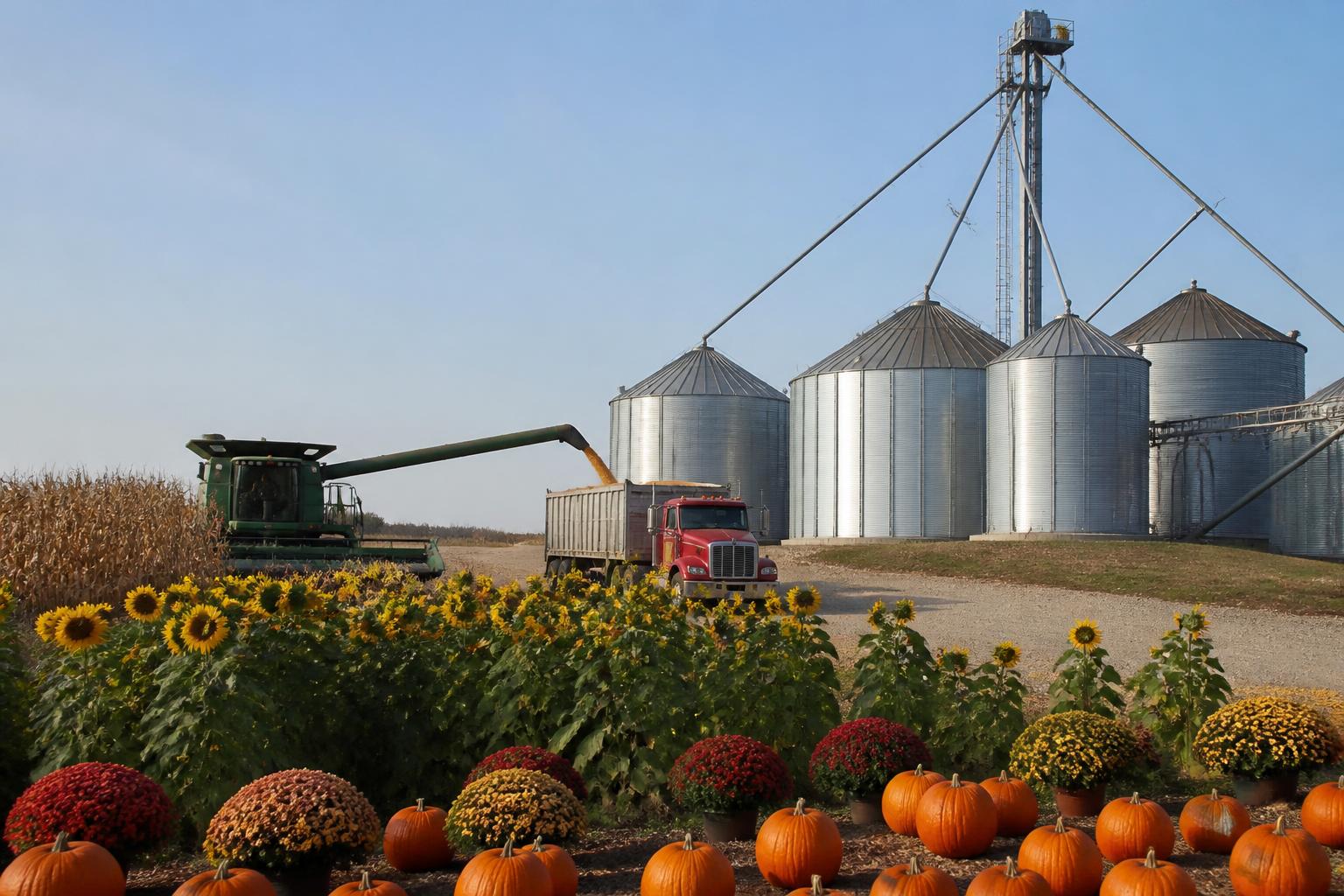
As the fall harvest season shifts into full gear across Massachusetts, producers are turning their attention toward supply chain resilience and the logistics of handling incoming crops. With the region's diverse agricultural landscape, efficiency in storage management remains a top priority for those looking to maximize returns during this peak period. Ensuring that grain handling systems are fully optimized is a recurring theme for local agribusinesses tasked with balancing volume with the need for high-quality outcomes.
For many operations, the intersection of land management and production capacity is increasingly critical. Recent funding initiatives, such as the state-backed support for farms in areas like Westport, highlight the ongoing commitment to bolstering agricultural infrastructure. Producers are encouraged to leverage regional resources, including UMass soil testing services, which can provide a valuable baseline for long-term field productivity as harvest yields are recorded.
Infrastructure and Regulatory Considerations
Logistics in New England often require navigating a complex web of local regulations. Farmers are often mindful of how land-use policies can influence infrastructure projects, particularly when expanding storage facilities or improving transport access. In some regions, development plans continue to test the limits of farmland protection laws, making it essential for operators to stay informed on local zoning and planning updates that could affect their ability to scale.
Transportation safety remains another operational cornerstone. As grain moves from field to storage or processing facilities, maintaining hygiene and safety standards is vital to avoid potential commodity loss or contamination. Producers working with local carriers are often reminded to ensure that equipment cleaning schedules are strictly followed, especially when pivoting between different crop types or transport vehicles during the height of the autumn rush.
What it means for the market
Massachusetts growers are currently positioned to focus on operational discipline and the efficient utilization of available state-level support. By prioritizing soil health and proactive logistics planning, producers can better insulate their operations against market fluctuations. Success this season will likely depend on the ability to integrate modern storage techniques with the preservation of existing land assets, ensuring that regional supply remains stable as the winter months approach.
Comments
No comments yet - be the first to share your take.