
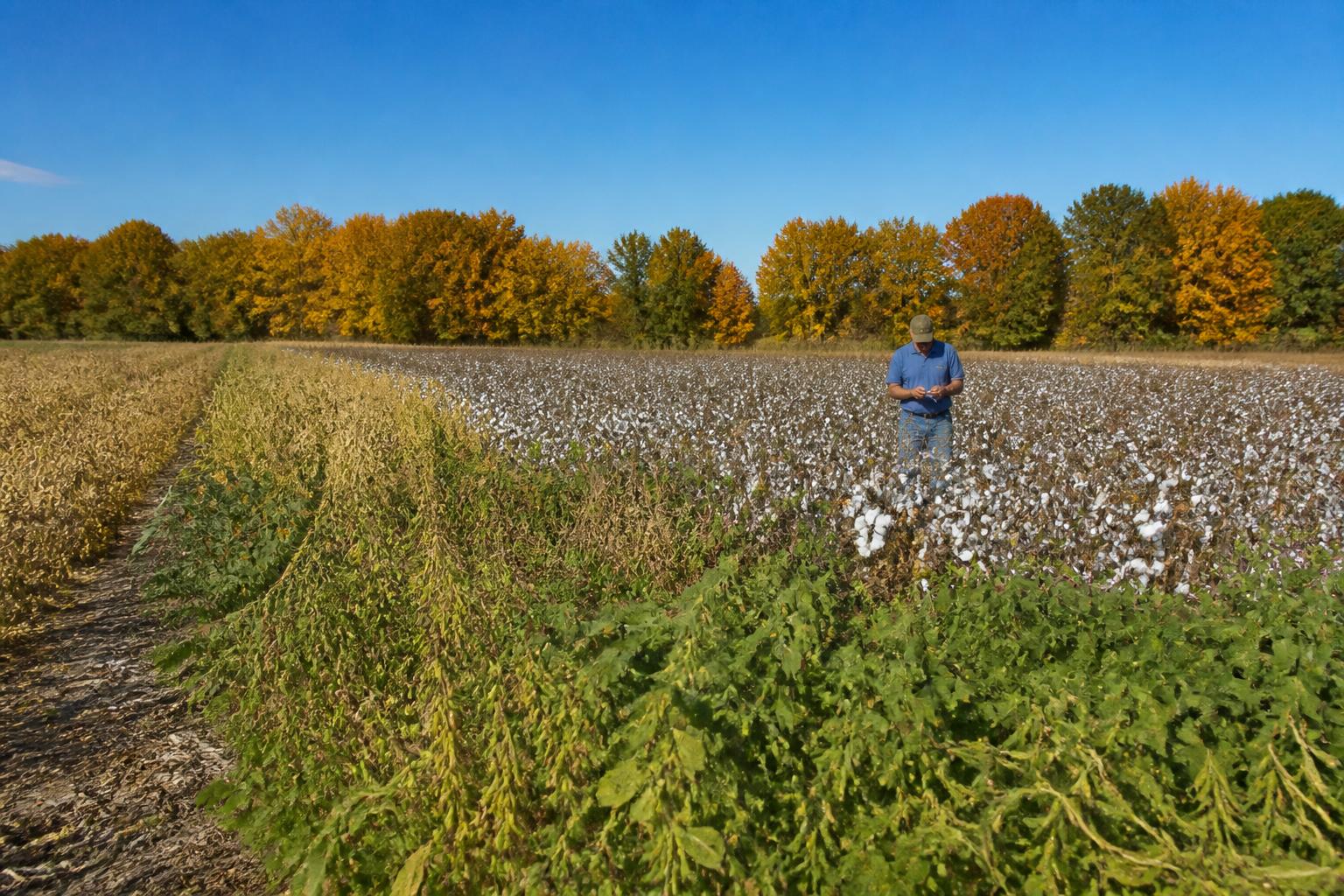
The arrival of autumn brings a critical period for Arkansas agriculture. As harvest operations gain momentum across the state, from the fertile delta lowlands to the rolling fields in the west, producers are balancing the immediate demands of gathering crops with long-term field management and logistics. Staying ahead of potential operational bottlenecks is essential for maintaining margins during this high-intensity season.
For many, this time of year serves as a reminder of the importance of maintaining robust harvest logistics. Whether transporting goods to local elevators or coordinating transit toward major river ports, efficient movement is key. Producers are often seen working closely with local carriers to navigate seasonal road conditions and weight considerations that can impact the flow of grain and fiber to regional storage hubs.
Managing Soil and Field Resilience
Beyond the combine, many Arkansas growers are increasingly focused on post-harvest field preparation. The incorporation of cover crops continues to be a point of interest for many producers, offering potential benefits for soil health and moisture retention. As fields are cleared, these practices may help prepare the ground for the upcoming cycle, potentially mitigating the impact of weather-related stressors that have historically challenged regional output.
Logistical Awareness in the Delta and Beyond
Agribusinesses and transporters are encouraged to keep a close eye on infrastructure capacity throughout the state. As output levels fluctuate, pressure on secondary roads and regional transport corridors can shift rapidly. Maintaining communication with local cooperatives and grain handlers is a standard but vital practice to ensure that storage space and transit timelines remain aligned with field progress.
What it means for the market
The current agricultural landscape in Arkansas demands a proactive approach to both yield management and supply chain efficiency. By aligning harvest schedules with available logistics and continuing to invest in soil conservation strategies, producers can better position themselves to weather the volatility inherent in both global trade pressures and local environmental challenges.
Comments
No comments yet - be the first to share your take.