
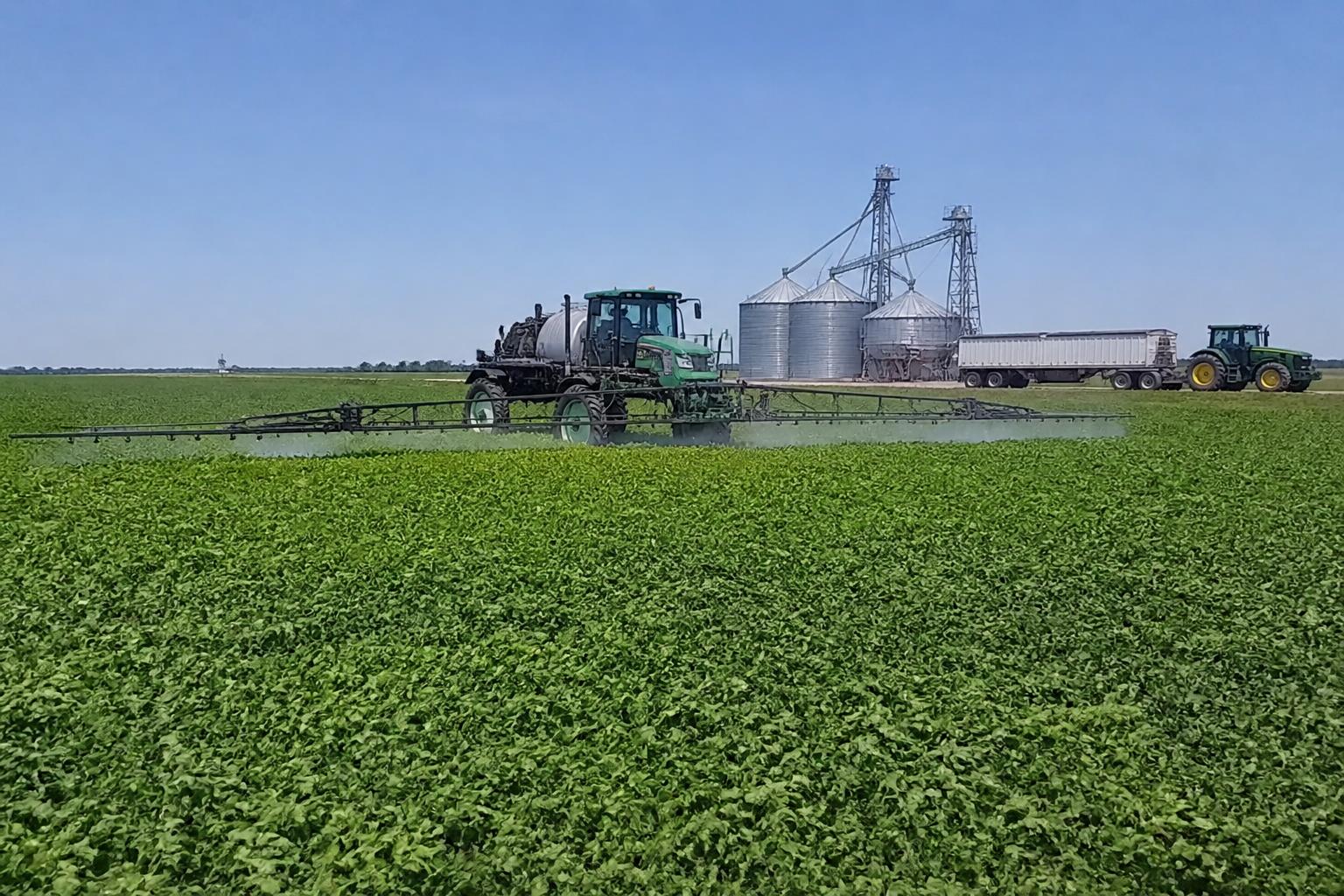
As the summer heat settles over New England, Massachusetts agricultural producers and grain handlers are facing a complex landscape of shifting input costs, technological advancements, and global supply pressures. While Massachusetts is not typically viewed as a primary grain-producing state, its dairy operations, livestock farms, and specialty growers in regions like the Pioneer Valley rely heavily on stable grain supplies and affordable inputs. Keeping a close eye on macro trends is essential for managing local feed costs and protecting bottom lines.
Recent market movements have highlighted the need for operational efficiency. Volatility sparked by unexpected USDA reports has kept domestic grain prices in flux, forcing local buyers to carefully time their purchases. For livestock producers looking to manage their feed portfolios, understanding these broader market fluctuations remains critical to navigating local basis shifts.
Input Pressures: The Potash Supply and Soil Health
A quiet crisis has been brewing in the fertilizer sector, particularly regarding global potash supplies. Because potash is critical for crop quality and water regulation, any disruption in its global availability can ripple down to local fertilizer distributors in Worcester, Franklin, and Hampshire counties. To counter rising input costs, more operations are turning toward innovative soil management programs and biological soil additives to optimize nutrient uptake and reduce reliance on traditional synthetic fertilizers.
By integrating advanced soil mapping and biological products, growers can make more informed decisions about when and where to apply nutrients. Those tracking regional market developments can gain valuable context by reviewing previous Massachusetts grain market insights, which highlight the historical relationship between global input spikes and local production costs.
Technology Drives Spraying and Handling Efficiencies
Agribusinesses are also looking to technological partnerships to offset overhead costs. Recent collaborations, such as the joint efforts between Corteva and AgZen, focus on advanced crop-spraying technologies designed to improve droplet retention and minimize chemical waste. This type of precision application is becoming increasingly important as Massachusetts regulators maintain strict oversight on chemical use across various crop sectors.
On the logistics side, manufacturers have unveiled upgraded heavy-duty ag trailers and innovative grain-handling machinery designed to streamline transport and reduce post-harvest losses. For local grain distributors and feed mills, implementing these rugged transport solutions can ease the burden of hauling bulk goods over aging rural roads and highway corridors.
Global Competition and Changing Trade Dynamics
Domestic grain prices continue to face long-term pressure from South America, where lower land acquisition costs in countries like Brazil challenge the traditional market dominance of U.S. growers. While the local Massachusetts market is somewhat insulated from direct export competition, these global pricing floors ultimately dictate the cost of corn, soy, and wheat imported into the Northeast.
Simultaneously, major global logistics hubs and retail giants are expanding food supply chains and delivery partnerships, demonstrating that food security and efficient transport systems remain a high priority for both commercial and non-profit sectors alike.
What it means for the market
For Massachusetts feed buyers, grain handlers, and input suppliers, the summer of 2026 demands a strategy focused on efficiency and flexible procurement. With potash markets vulnerable to supply shocks and global grain prices fluctuating on USDA data, buyers should consider leveraging local storage options and adopting precision application tools. Minimizing waste on the farm and optimizing transport logistics will be the key to maintaining margins through the remainder of the season.
Comments
No comments yet - be the first to share your take.