
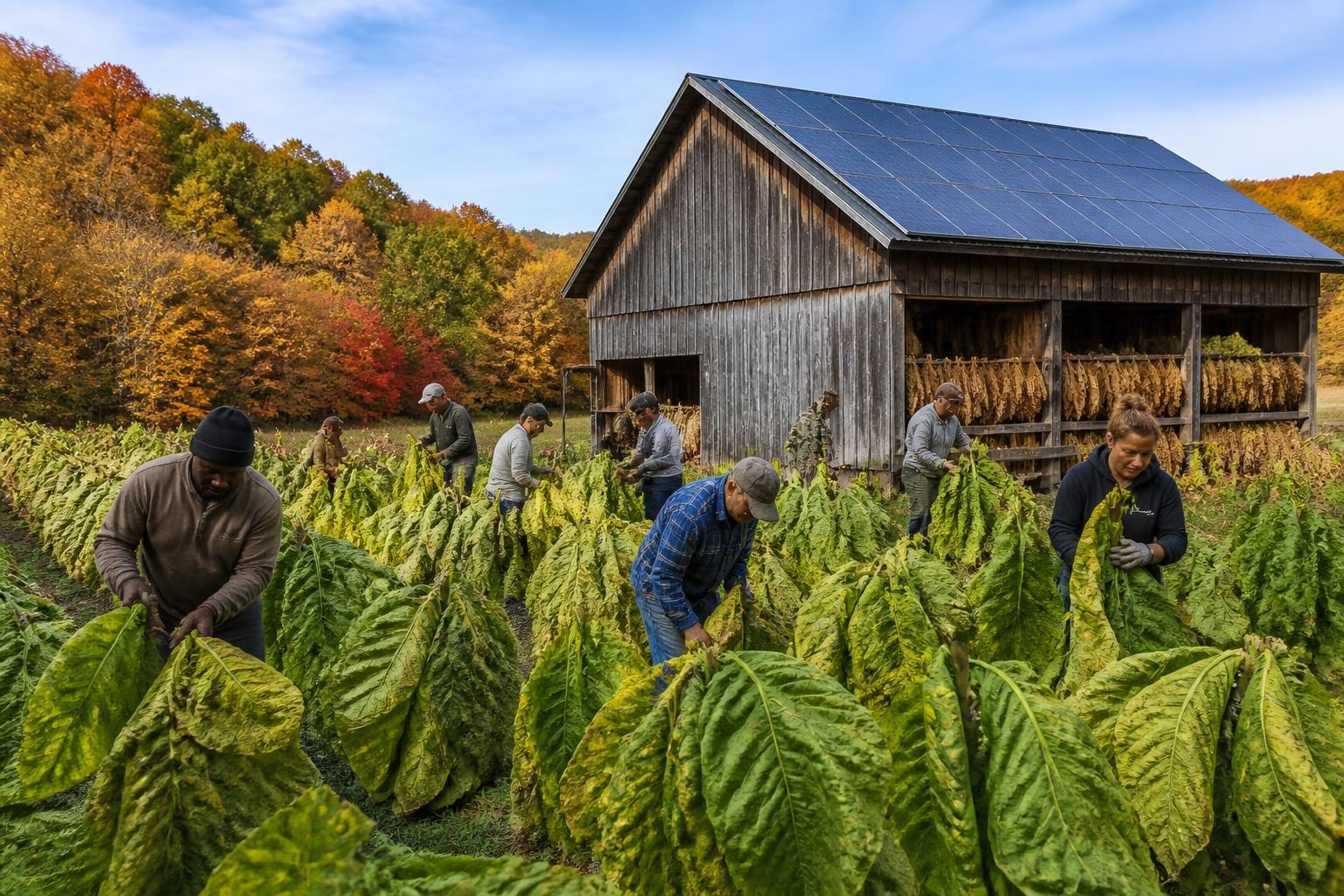
Harvest Season Logistics and Challenges
As the fall harvest progresses across Virginia, local grain operations are recalibrating their approach to mid-season logistics. Producers in regions like the Shenandoah Valley and Tidewater are balancing the physical demands of field work with an increasingly complex transport environment. Navigating Virginia's supply chain and input logistics remains a primary concern, as farm operators work to ensure that grain moves efficiently from storage bins to processors despite ongoing fluctuations in carrier availability.
Market Pressures and Trade Concerns
Recent industry feedback highlights growing apprehension among farmers regarding trade friction, particularly as developments in international trade dynamics create ripples throughout the domestic grain sector. These macro-level shifts are compounded by rising operational expenses, notably in fuel costs. For many local agribusinesses, these factors contribute to a cautious outlook on margins as they move volume through the fall pipeline.
Input Efficiency and Producer Resilience
Amidst these broader market headwinds, many Virginia operations are doubling down on operational efficiency to protect the bottom line. From implementing smart farming technologies to participating in local specialty crop projects, producers are seeking ways to maintain quality while managing variable overhead. Those looking to optimize their procurement and grain management strategies are increasingly leaning on localized networks to mitigate the risks associated with volatile logistics and shifting input requirements.
What it means for the market
The convergence of a critical harvest window and external economic pressures necessitates a disciplined approach to grain marketing and transport. As the season matures, staying informed on regional carrier capacity and local price adjustments will be essential for growers and elevators aiming to maintain steady throughput in a tightening market.
Comments
No comments yet - be the first to share your take.