
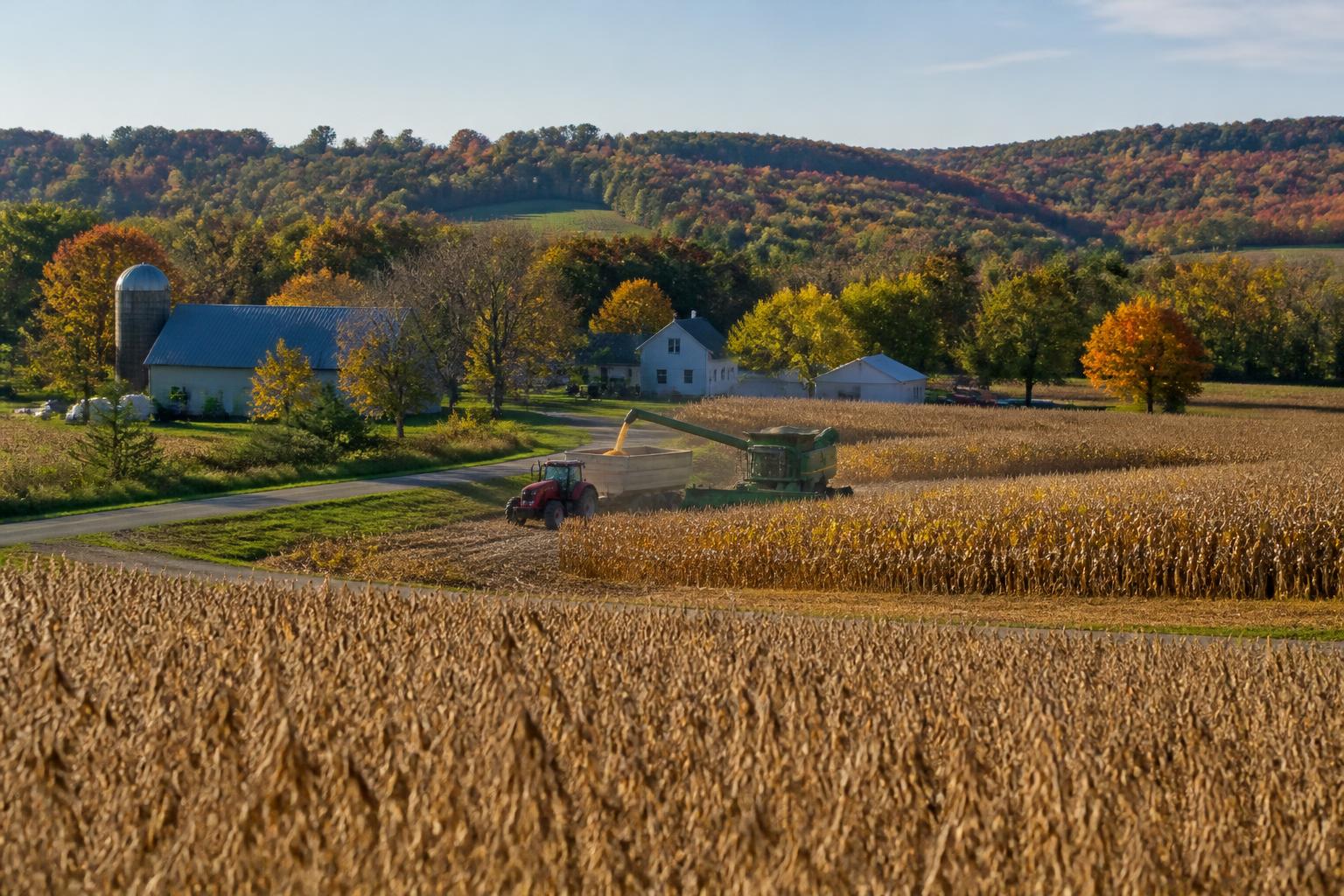
Wisconsin producers are currently navigating the final stages of a notably rapid harvest window. Across the state, from the fertile fields of the southern counties to the northern reaches, farmers are focusing on finishing late-season crop collection while managing the logistical pressures that often accompany this time of year. With the harvest cycle winding down, the pace of operations is beginning to normalize, providing a moment for producers to assess yields and evaluate field management strategies for the upcoming cycle.
Refining On-Farm Environmental Stewardship
Beyond the immediate demands of the field, there is a growing emphasis on long-term sustainability and regulatory compliance within the state. As navigating market volatility and harvest preparations in Wisconsin becomes a standard part of business management, producers are also engaging with broader land management efforts. Current discussions surrounding the state’s Pollinator Protection Plan highlight the ongoing dialogue between agricultural operations and environmental stakeholders. While some critics argue that existing frameworks may not provide sufficient safeguards for local bee populations, many producers continue to integrate voluntary habitat improvements into their land-use plans.
Operational Logistics and Future Planning
The efficiency of this year's harvest has underscored the importance of proactive planning, particularly regarding input costs and resource allocation. For many agribusinesses, the intersection of rising operational expenses and shifting market conditions remains a primary concern. Farmers who have prioritized managing tar spot risks as Wisconsin enters a crucial harvest window are already looking ahead to soil testing and post-harvest maintenance to protect margins for the next season.
What it means for the market
For grain handlers, carriers, and local elevators, the winding down of the harvest period marks a transition toward storage management and logistics planning for regional movement. Farmers who maintain a balance between high-efficiency harvesting and integrated pest or pollinator management are better positioned to navigate the complex economic landscape of modern agriculture. As the season concludes, the focus for Wisconsin agribusinesses will be on consolidating storage capacity and securing the financial footing necessary for the winter months.
Comments
No comments yet - be the first to share your take.