
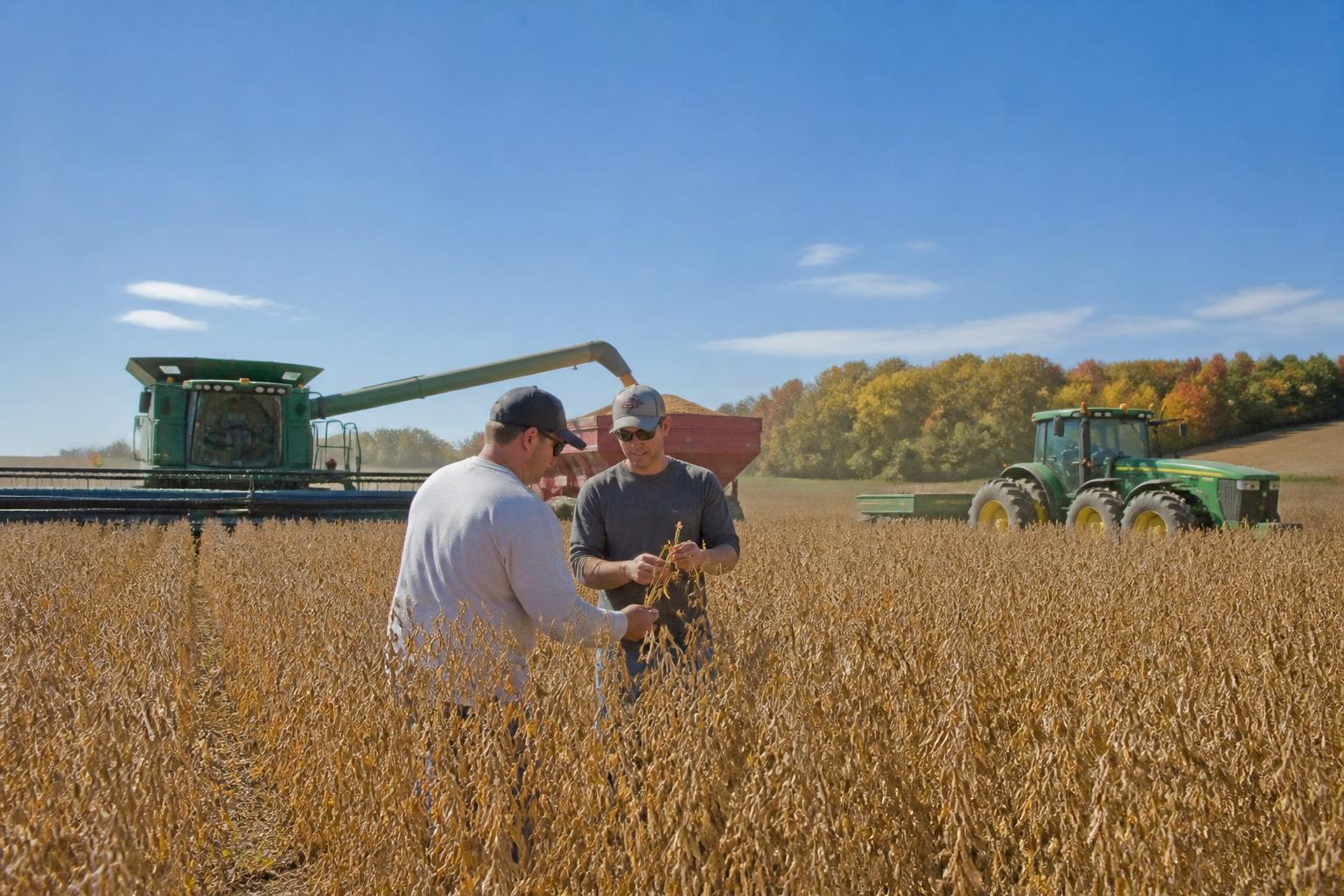
With harvest activity intensifying across South Dakota, producers are shifting their focus from field performance to the pressing logistics of grain movement and storage. For many operations, the current season presents a classic bottleneck as field-side throughput frequently outpaces the speed at which elevators can move grain through regional supply chains.
As farmers navigate these seasonal constraints, local grain handlers continue to work through infrastructure projects to alleviate potential congestion at critical transit points. Managing these bottlenecks effectively often requires careful coordination between on-farm storage utilization and commercial delivery schedules to prevent mid-harvest disruptions. You can learn more about managing rail-dependent logistics during peak movement periods to help maintain operational flow.
Evaluating Market and Storage Pressures
The urgency to clear fields is compounded by broader market uncertainties, particularly concerning the stability of major export destinations for U.S. soy. While many producers traditionally aim to move crop volume directly at harvest, limited elevator capacity may force a strategic pivot toward holding grain. This shift requires a close look at existing on-farm bin readiness and a clear-eyed assessment of regional infrastructure stability to minimize downtime.
Proactive Planning for Regional Operations
For agribusinesses and transport providers, September represents a critical window for testing equipment and finalizing transport contracts. Whether managing local trucking routes or coordinating with regional rail hubs, the ability to respond to shifting delivery windows is paramount. Maintaining flexibility in delivery schedules can act as a buffer against the typical harvest-season surges that often impact wait times at regional facilities.
What it means for the market
For South Dakota farmers and logistics operators, the current environment demands a blend of patience and preparation. With storage capacity being a primary constraint, those who can successfully integrate on-farm storage strategies with real-time elevator capacity updates are better positioned to protect their margins. Monitoring regional transit efficiency remains essential as the harvest progresses across the state.
Comments
No comments yet - be the first to share your take.