
Washington agricultural producers are moving into a busy fall season, with management attention shifting toward both input procurement and the reliability of regional logistics networks. As harvest activities ramp up across the state, the stability of supply chains remains a primary focus for growers looking to maintain operational efficiency amidst varying market conditions.
Input Cost and Supply Considerations
Fertilizer pricing, particularly for urea, continues to experience volatility that can impact bottom-line projections for the upcoming cycle. With market conditions often fluctuating based on global trade signals and regional demand, many Washington producers are prioritizing early procurement strategies to mitigate potential supply chain bottlenecks. Staying informed on shifting logistics and input cost pressures is essential for farmers managing tight margins in the current environment.
Infrastructure and Transportation Outlook
Transportation remains a critical pillar for the state's agricultural export capacity. Ongoing discussions regarding the long-term transportation impacts of regional infrastructure, such as the studies concerning Lower Snake River dam operations, highlight the need for growers to monitor potential shifts in how grain and specialty crops move to market. Disruptions to these corridors can have compounding effects on transit times and final delivery costs to Pacific Northwest ports.
Technology Integration in the Field
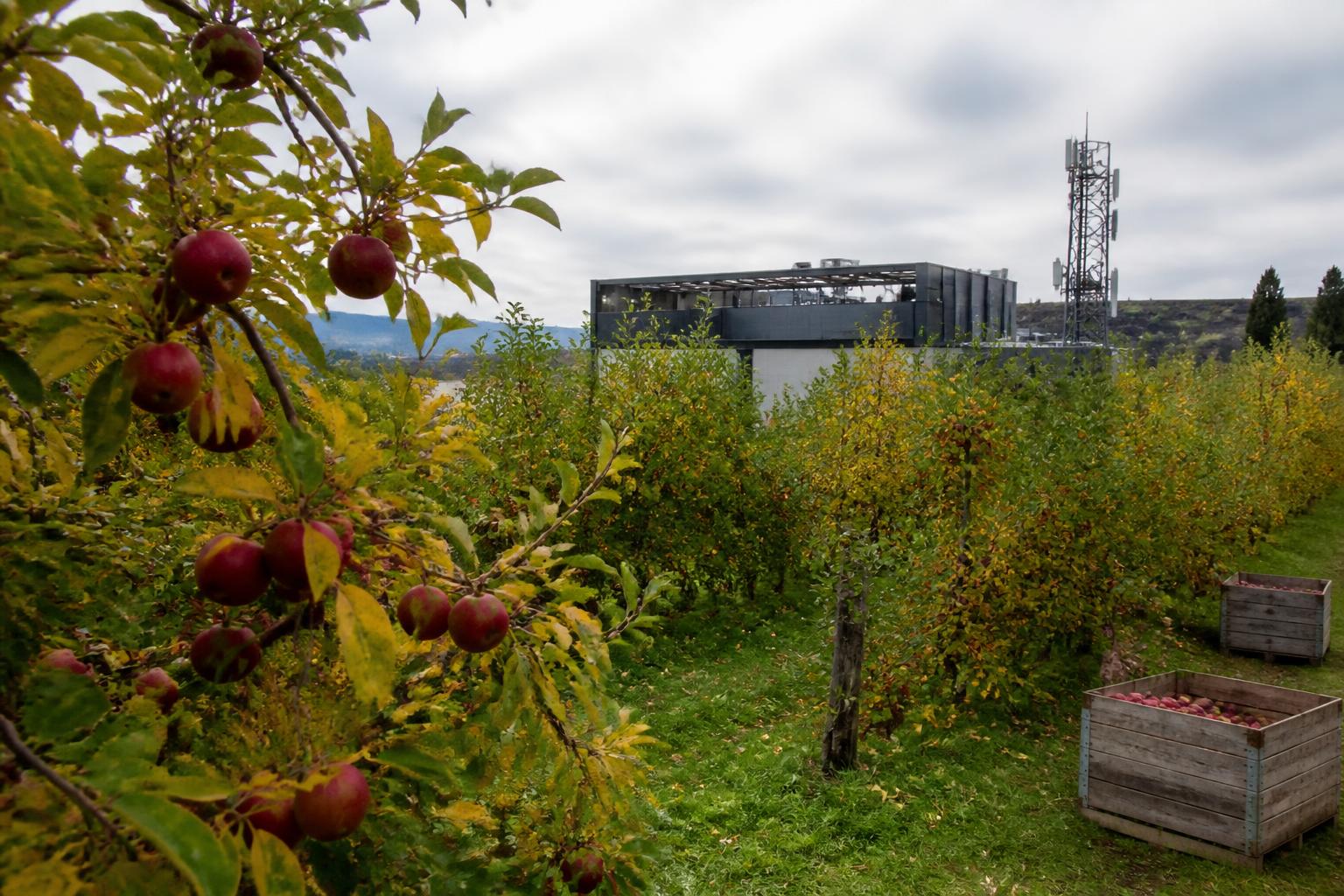
Beyond logistics, technological adoption continues to evolve in Washington orchards and fields. Recent implementations of high-speed connectivity, such as 5G field labs, underscore the industry's push toward precision management. These tools, while localized, represent a broader trend of leveraging digital infrastructure to boost crop yields and operational precision in response to labor and resource constraints.
What it means for the market
The current landscape suggests a need for heightened vigilance regarding transportation reliability and input pricing. Washington agribusinesses should continue to lean into regional supply chains while maintaining flexibility in their shipping schedules to account for potential infrastructure adjustments and port-side demand shifts.
Comments
No comments yet - be the first to share your take.