
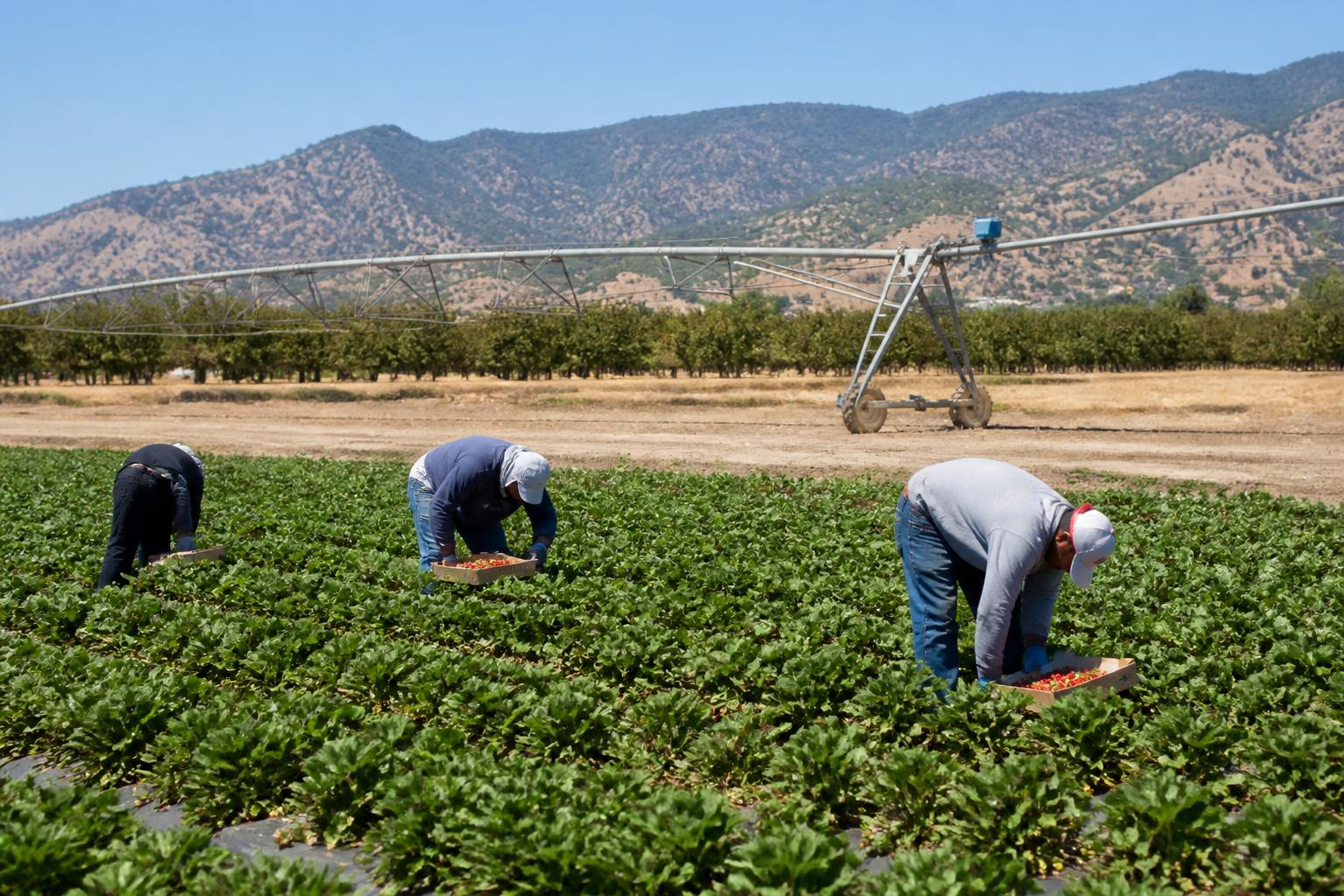
As California grain producers navigate the heat of the summer harvest, a combination of regional weather patterns, shifts in specialty grain demand, and evolving regulatory pressures are defining the seasonal transition. While the state is widely celebrated for its high-value tree fruit and nut orchards, the field crop sector, particularly winter wheat, barley, and silage corn, plays a vital role in supporting local dairy networks and regional feed markets.
From the Sacramento Valley down through the San Joaquin Valley, grain handlers and growers are monitoring local basis movements and transport logistics along the Highway 99 and Interstate 5 corridors. At the same time, regional water availability and regulatory uncertainties continue to reshape crop rotations across the state.
Winter Wheat Harvest and the Specialty Flour Movement
The winter wheat harvest is progressing rapidly across key growing regions in California. Early-season crop weather reports indicated that the winter wheat crop got off to a solid start, and the summer dry down has allowed combines to make steady progress. While a significant portion of California wheat is grown for forage or dairy feed, there is a persistent and growing niche for high-quality food-grade grain. This trend is driven partly by artisan millers and local grain advocates seeking to rebuild regional flour supply chains, proving that California-grown wheat can meet the strict quality standards of craft bakers.
For commercial grain elevators and growers looking to maximize returns, managing storage and export channels remains a priority. Navigating these regional export channels and local feed demand requires a close look at California's grain market dynamics to capture the best basis opportunities, especially when competing with Midwest grain shipments arriving by rail.
Alternative Grains and Crop Protection Advancements
With water conservation remaining a primary concern for Central Valley growers, alternative crops that require fewer inputs are gaining traction. Initiatives targeting up to 30,000 acres of grain sorghum for California ethanol facilities highlight a strategic shift toward drought-resilient feedstocks. Grain sorghum not only offers low water requirements but also fits well into double-cropping systems following winter forage.
Additionally, crop protection methods are evolving. The recent approval of FMC's Rhyme fungicide for chemigation in California provides growers with an efficient tool to manage disease in corn and other crops. Applying crop protection directly through irrigation systems can help operators reduce tractor passes, save on fuel costs, and optimize labor resources during busy summer months.
Regulatory Hurdles and Water Policy Pressures
Despite steady production, California agricultural advocates warn that the state's farming sector faces a critical crossroads regarding water, energy, and environmental policy. For instance, agricultural worker organizations and industry groups have raised concerns over proposed federal EPA regulations, warning that overly restrictive pesticide rules could limit the tools available to manage pests in field crops and specialty operations alike. These regulatory hurdles, combined with ongoing debates over water allocations and groundwater sustainability plans, complicate long-term planning for grain and silage producers.
What it means for the market
For California feed buyers, dairy operators, and grain handlers, the summer market demands flexibility. While local specialty wheat and sorghum initiatives provide high-value alternatives, the broader feed market remains heavily tied to national pricing trends and transport costs. Growers should utilize efficient application methods like chemigation to keep production costs low, while closely monitoring local forage needs as summer temperatures peak and dairy feed demand remains steady.
Comments
No comments yet - be the first to share your take.