
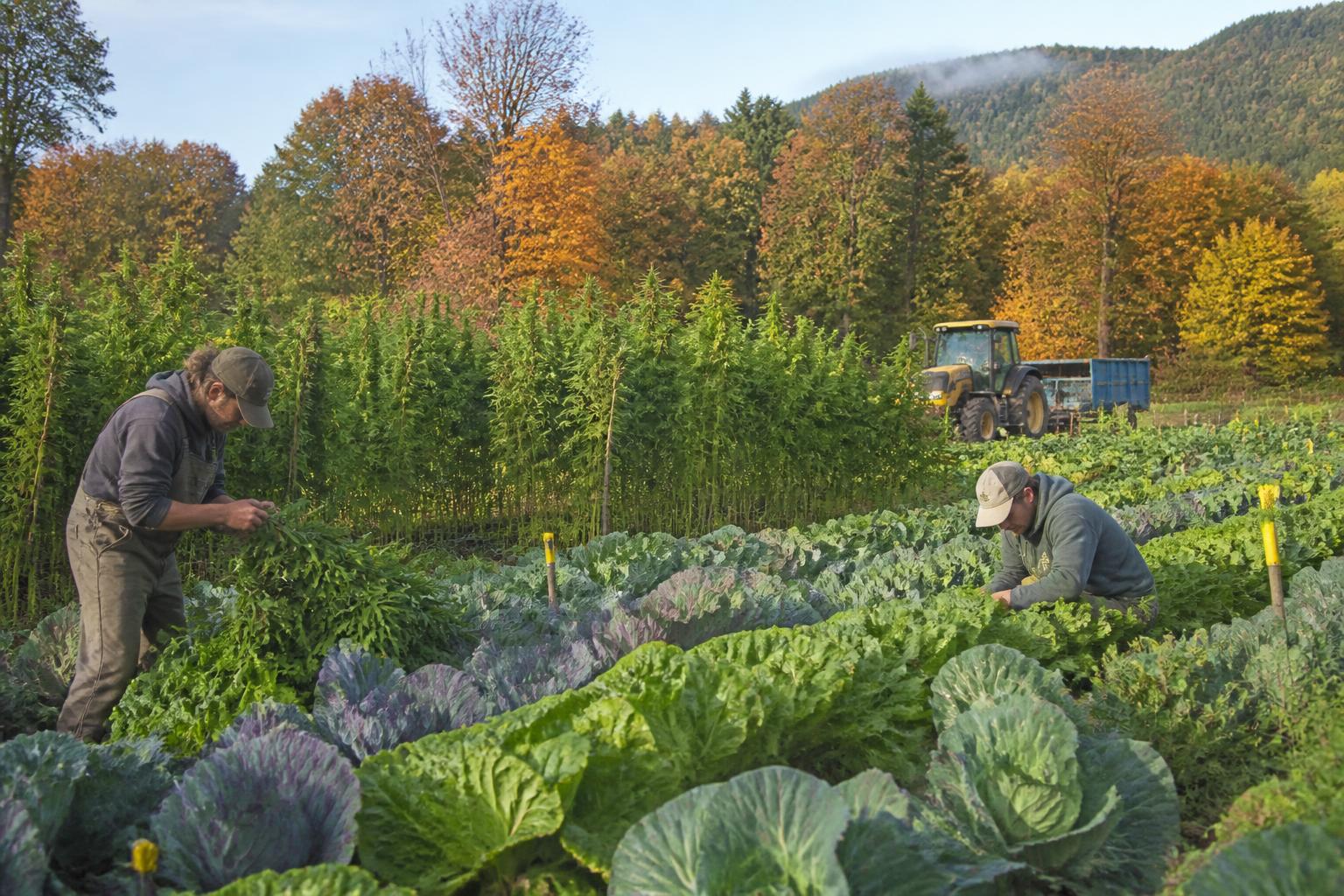
As we transition deeper into the fall season, Oregon farmers are balancing the final stages of harvest with proactive management of lingering pest threats. Staying ahead of insect populations is critical to protecting crop quality and ensuring fields are prepared for the coming dormant period. In many regions of the state, including the Willamette Valley and the Columbia Basin, seasonal shifts in weather often influence the migration and activity levels of common pests.
Effective crop protection requires a multi-faceted approach, especially as producers evaluate their input strategies for the upcoming cycle. Integrating new research, such as advancements in biological controls for invasive species like the brown marmorated stink bug, can offer sustainable alternatives for long-term farm health. For those managing grain or specialty crops, understanding the nuances of local agribusiness regulations and landscape shifts is essential to maintaining operational efficiency and compliance.
Monitoring and Regulatory Awareness
Pest monitoring networks continue to provide valuable data for growers tracking risks like cutworms and armyworms. Utilizing these resources allows for more precise application timing and better resource allocation. Beyond active pest control, growers must also be mindful of the broader regulatory environment. Recent policy changes, such as the phased reduction of certain insecticides like chlorpyrifos, reflect a shifting landscape for chemical inputs in Oregon. Staying informed on these trends helps producers avoid supply bottlenecks and adapt to new safety standards.
Building Resilient Operations
Beyond individual pest management, building long-term resilience is a top priority. Many producers are finding that strengthening partnerships with academic and regional institutions creates a more robust foundation for problem-solving in the field. Engaging with extension services can provide critical insights into planting alternatives, such as those recommended following the spread of the emerald ash borer, which remains a concern in urban and rural forestry management alike.
As you plan your next moves, keeping a pulse on the latest grain market developments will complement your protection strategy. Coordinating harvest timelines with input logistics ensures that you are not just controlling pests today, but setting up a more predictable and profitable season for the year ahead.
What it means for the market
For Oregon agribusinesses, the intersection of proactive integrated pest management and regulatory compliance is becoming a key differentiator. Farmers who leverage data-driven monitoring tools and stay ahead of shifting input regulations are better positioned to reduce waste, manage overhead costs, and maintain access to both domestic and international trade opportunities as global market demand for high-quality Oregon agricultural products persists.
Comments
No comments yet - be the first to share your take.