
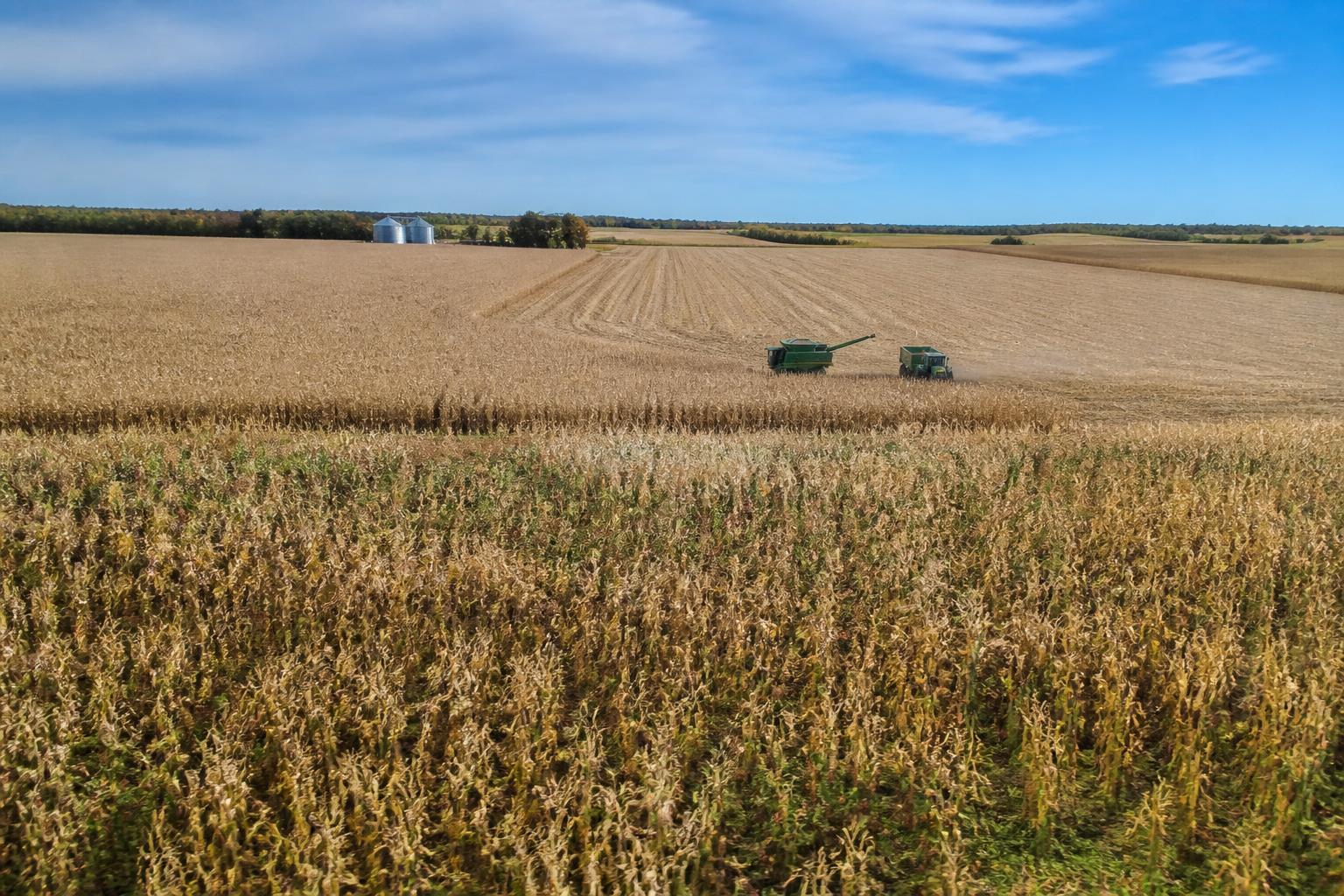
The harvest season is now well underway across Iowa, with producers working through a season defined by both significant output potential and shifting field conditions. While the pace of the corn harvest continues to gain momentum, many farmers are focused on navigating the complexities of current commodity price trends and local supply dynamics.
For those currently moving grain from the field to local elevators, maintaining operational efficiency is paramount. Whether you are balancing field management decisions or monitoring elevator basis levels, the current window requires careful attention to regional supply chain health. Producers in counties that have faced elevated pressure from localized crop health concerns may find that moisture levels and storage management are playing a larger-than-usual role in their post-harvest marketing strategy.
Evaluating Field Realities
Recent observations from across the state suggest that crop performance remains varied, reflecting the diverse soil health and moisture profiles seen throughout the growing season. As we look at the broader picture, managing harvest efficiency while mitigating the impact of potential yield variability is a top priority for agribusinesses and individual operations alike. Producers are increasingly weighing the benefits of varied marketing tools, including basis contracts, to mitigate the risks associated with a potential supply glut in the coming year.
Strategic Market Positioning
Looking ahead, the economic environment for Iowa grain handlers and producers remains sensitive to shifts in both domestic and global market access. With industry reports signaling concerns over future price trends, many operations are prioritizing cost-effective storage and efficient logistics to preserve margins. Staying informed about local basis shifts and regional demand can provide a critical advantage during this high-traffic period.
What it means for the market
The current state of the Iowa corn market suggests that while production volume remains a strong point for the industry, the path to profitability rests on prudent storage and marketing decisions. Farmers should anticipate continued volatility as the harvest progresses and remain vigilant in assessing regional supply chain constraints that could influence local price points throughout the fall.
Comments
No comments yet - be the first to share your take.