
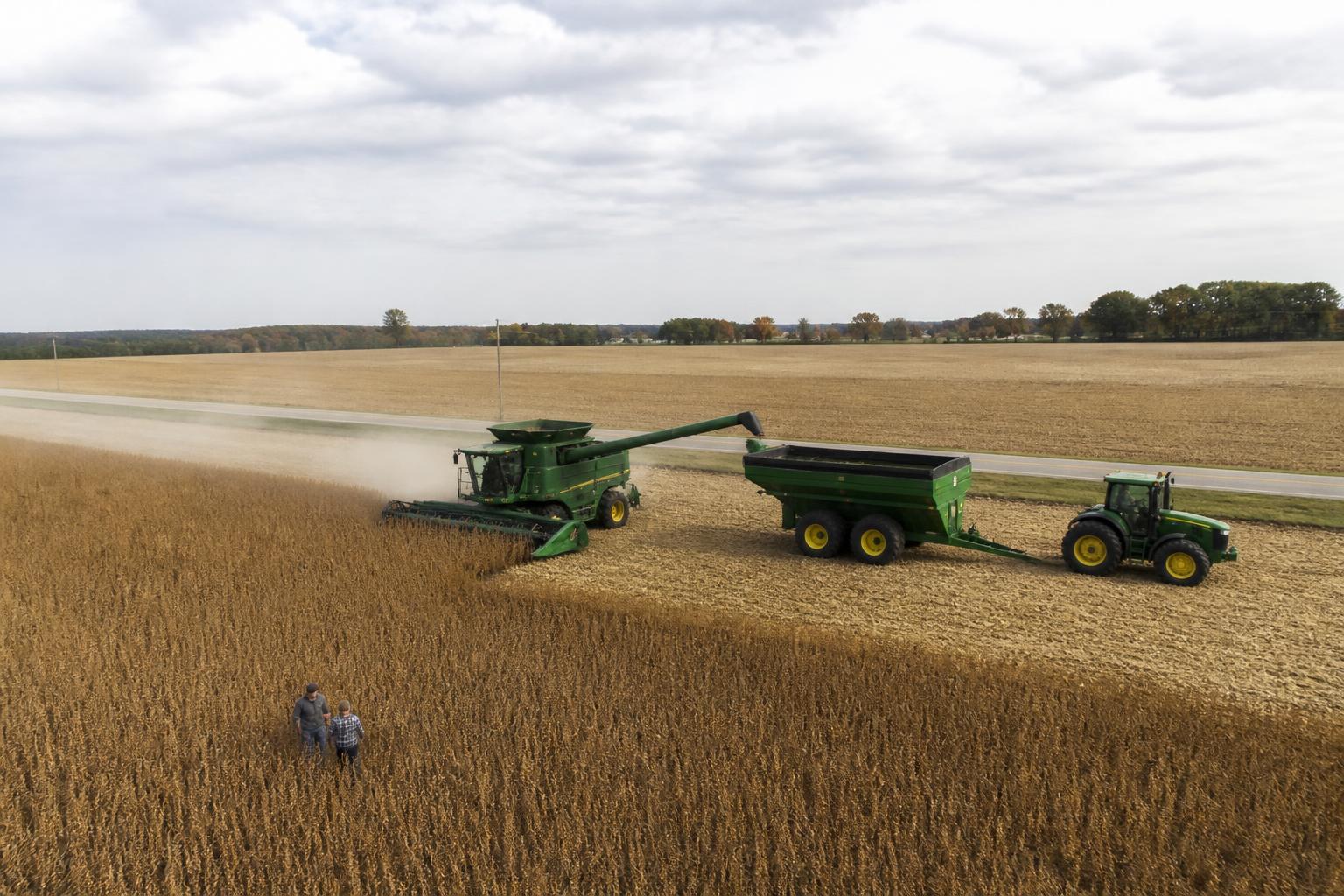
As the Illinois harvest season accelerates, producers across the state are focusing on the delicate balance of field productivity and downstream logistics. With heavy equipment moving along rural corridors and grain elevators preparing for peak intake, the focus is shifting toward managing potential bottlenecks that often arise during this busy window.
Understanding the broader context of agricultural logistics is essential for farmers navigating this busy harvest period in Illinois. Even as operators optimize their own on-farm storage, regional transport systems are frequently tested by the sheer volume of crop movement. Staying informed on current transit trends can help producers mitigate the impact of localized congestion.
Navigating Evolving Input and Supply Realities
Market analysts are currently monitoring how recent supply chain shifts impact input procurement and long-term farm planning. For Illinois agribusinesses, the ability to anticipate these pressures—such as those discussed in reports on evolving supply chain and input pressures—is a significant competitive advantage. While global events can influence the cost of essential inputs, local management remains the primary lever for controlling margins.
Producers should remain vigilant regarding regional equipment needs and the availability of critical supplies as we move deeper into the fall. Because infrastructure and labor can be subject to unexpected strain, proactive coordination with local grain handlers and transporters is advised to ensure that the flow of grain from the field to the terminal remains consistent.
What it means for the market
The current environment requires a disciplined approach to both field-level execution and supply chain management. By keeping a pulse on regional logistics and maintaining clear communication with logistics partners, Illinois farmers can better navigate the complexities of this harvest season. Success depends on the agility of the supply chain to move product efficiently, ensuring that the high yields expected in many Illinois counties reach their destination without unnecessary delay.
Comments
No comments yet - be the first to share your take.