
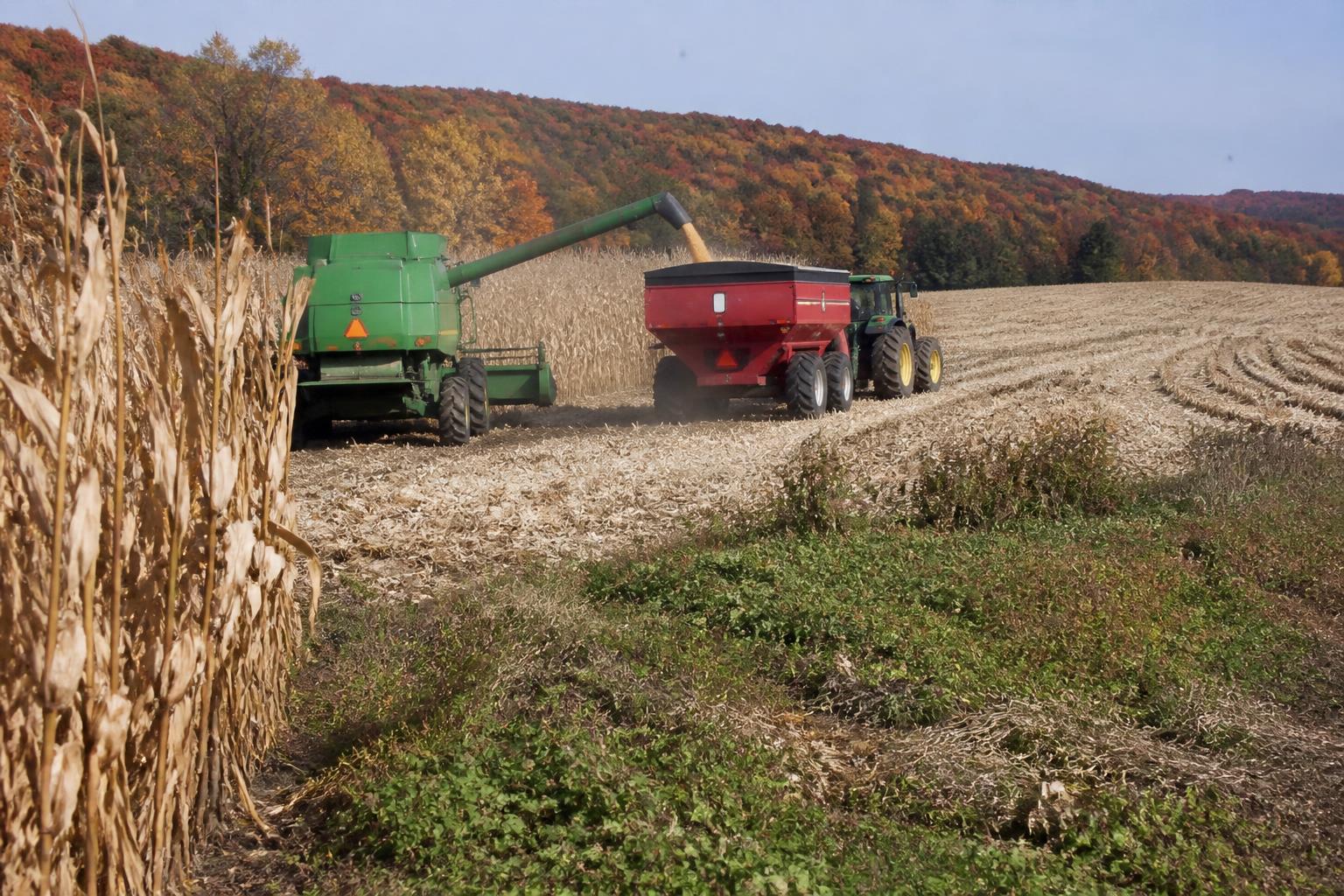
As Virginia producers move deeper into the fall harvest season, logistics networks across the Commonwealth are adjusting to meet shifting trade demands. Growers in traditional agricultural corridors are navigating a landscape that requires a sharp focus on supply chain efficiency, particularly as local ports prepare for increased volumes of specialized cargo.
Reports indicate that Virginia is increasingly positioning itself as a key hub for reefer imports, a development that may influence equipment availability for regional ag exporters. For grain handlers and those moving perishables, staying ahead of potential infrastructure constraints is essential to maintaining margins during the busy harvest window.
Export Dynamics and Carrier Responsibilities
Recent regulatory discussions have highlighted the importance of clear communication between exporters and carriers. Federal oversight has signaled that potential refusals to move U.S. export cargo could face scrutiny under the Shipping Act. For Virginia agribusinesses, this underscores the necessity of proactive booking and clear coordination with logistics partners to avoid mid-season disruptions.
As farmers, elevators, and cooperatives in regions like the Shenandoah Valley and Coastal Plain manage their harvest, aligning trucking schedules with terminal capacity remains a persistent challenge. Understanding how these Virginia grain markets navigate fall logistics is vital for those looking to mitigate risks related to trade uncertainty and equipment shortages.
Optimizing Operations Amidst Variable Conditions
With the variability often seen in weather impacts on local yields, logistics planning must remain flexible. From coordinating diesel fuel supplies for transportation to ensuring timely access to storage, successful operations typically rely on early communication with regional logistics coordinators. As the season progresses, monitoring local infrastructure updates and maintaining steady relationships with rail and motor carrier providers can provide a necessary buffer against unexpected bottlenecking.
What it means for the market
For Virginia market participants, the current environment points toward a need for disciplined logistics management. As export demand evolves and cold chain infrastructure expands in state, producers and handlers who prioritize supply chain transparency and early coordination are better positioned to protect their bottom line against shifting trade winds and transport volatility.
Comments
No comments yet - be the first to share your take.