
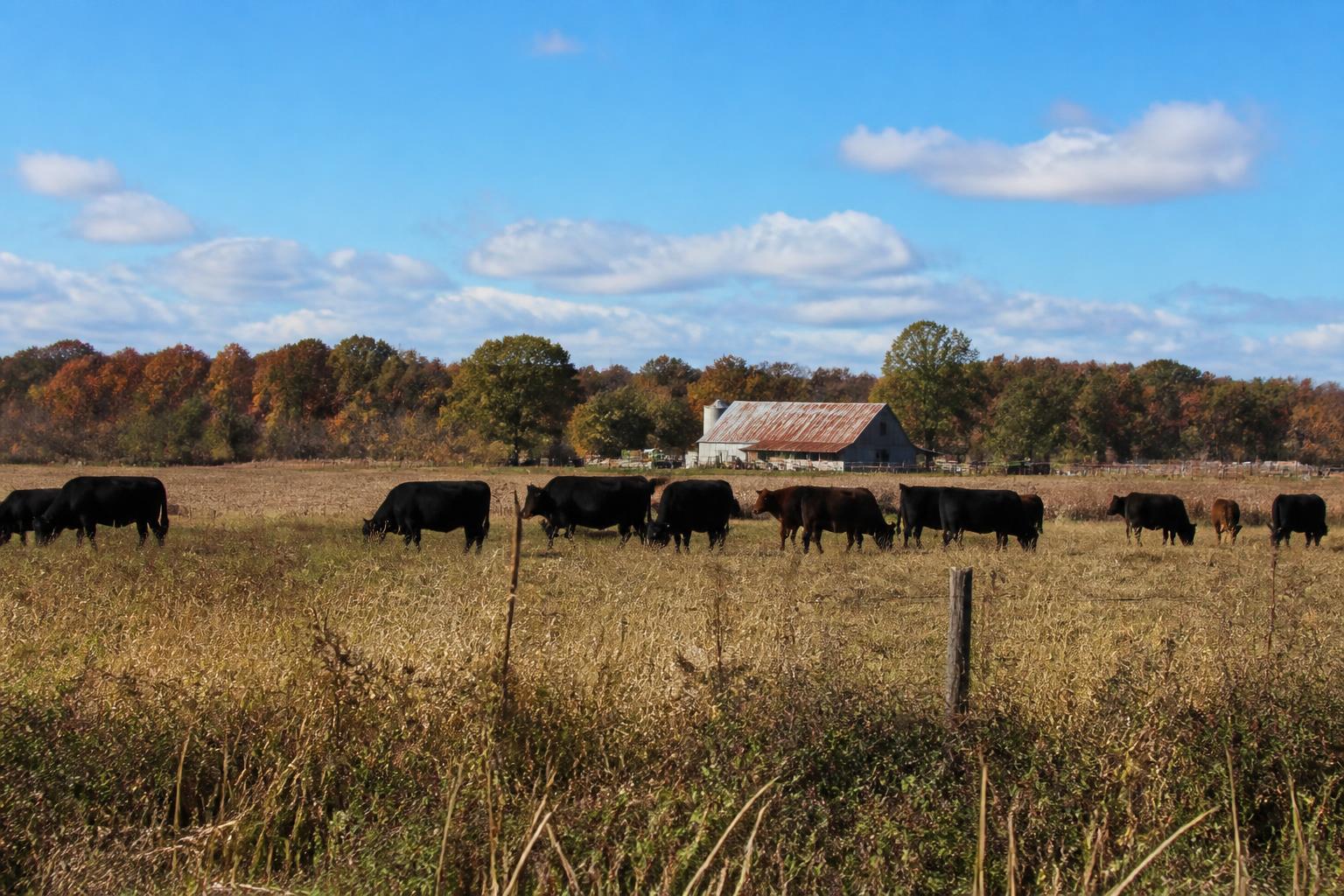
As the Arkansas harvest season gains momentum this September, the priority for producers shifts toward safeguarding field assets and ensuring efficient throughput. With previous sessions facing significant environmental and economic pressures, maintaining vigilance over crop protection and logistical security is essential for navigating the complexities of the current market landscape.
For those managing operations across the Delta or the rolling acreage of the Ozarks, keeping a close watch on regional developments is vital. As discussed in our previous coverage of Arkansas harvest logistics and field management, proactive planning remains the most effective defense against seasonal disruptions. Whether managing pest pressure or optimizing storage, the ability to pivot in response to changing conditions can significantly impact the bottom line.
Securing Field Assets During the Fall Transition
In addition to standard harvest-time maintenance, regional growers are increasingly focused on leveraging technology to improve overall plant health. Research into seed treatments, such as cold plasma applications, continues to show promise in reducing dependency on synthetic pesticides while bolstering plant resilience. Integrating these strategies alongside traditional late-season crop protection measures is becoming a hallmark of successful farm management in the state.
Beyond biological and chemical controls, the physical security of the harvest remains paramount. Producers are encouraged to maintain clear communication with local grain handlers and transportation providers. With potential road restrictions and fluctuations in traffic patterns during peak harvest weeks, staying informed about regional infrastructure statuses can prevent unnecessary delays when getting yield from the field to the elevator.
What it means for the market
The convergence of technological advancement and traditional risk mitigation defines the current Arkansas agricultural climate. By focusing on site-specific protection strategies and maintaining logistical agility, producers can better position themselves against the volatility that characterized the earlier part of the year. Prioritizing asset security not only safeguards this season's output but also provides a more stable foundation for planning in the upcoming production cycle.
Comments
No comments yet - be the first to share your take.