
West Virginia agricultural producers are heading into the final quarter of the year with a focus on stabilizing operations amidst shifting sector trends. Across the state, from the fertile valleys to the rolling hills of our local counties, the interplay between market-driven poultry production and direct-to-consumer farming continues to shape the economic landscape for many agribusinesses.
For those involved in the livestock and integrated supply chains, recent industry reports indicate a steady upward trend in broiler hatchery numbers. This persistent growth in placements reflects a broader national outlook that anticipates heightened chicken production through the coming year. Local operators are watching these signals closely, as they often influence regional demand for feed inputs and the logistical rhythm of contract growing operations.
Expanding Production Windows
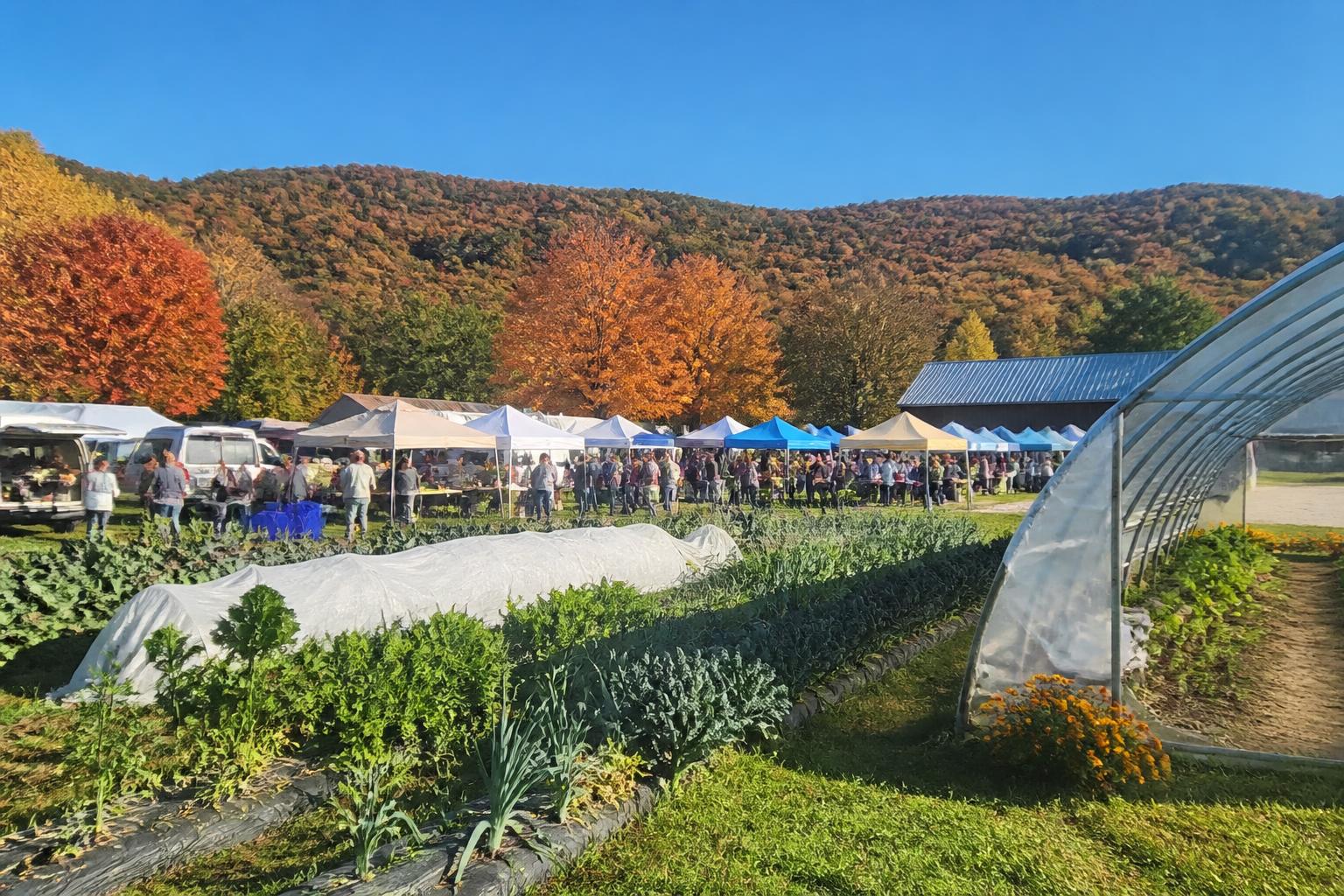
Beyond the livestock sector, many producers are successfully leveraging high tunnel technology to extend their growing seasons deep into the fall. These infrastructure investments have become vital for growers looking to maximize output and secure a longer, more profitable window for specialty crops. Focusing on resilience during these cooler months allows farm operations to maintain supply stability even as daylight hours diminish.
This shift toward longer production cycles is often supported by deliberate land management and funding initiatives. As farmers adapt their fields for late-season harvests, they are also participating in regional efforts that emphasize sustainable output. Balancing these production shifts with the need for clear operational strategies remains a priority for producers adjusting to both market volatility and changing environmental conditions.
What it means for the market
For West Virginia agribusinesses and grain handlers, the combination of a consistent poultry pipeline and the transition toward extended-season crop production suggests a complex but active fourth quarter. Staying informed on regional infrastructure trends and supply chain health will be essential for managing overhead and capitalizing on local market opportunities as the year draws to a close.
Comments
No comments yet - be the first to share your take.