
Adapting to Seasonal Shifts and Operational Risks
As the fall season takes hold across the Appalachian region, West Virginia farmers are shifting their focus toward harvest logistics and long-term land management. For many producers, this time of year brings a renewed emphasis on protecting farm assets and ensuring that fields remain productive despite localized environmental pressures. Whether managing grain crops or specialty produce, the ability to maintain operational stability remains a top priority for agribusinesses across the state.
The Importance of Proactive Land Stewardship
Protecting the integrity of agricultural land is critical, especially when external incidents threaten soil health or site safety. Recent events in parts of the state have underscored how essential proactive monitoring and soil assessment are for maintaining the longevity of West Virginia land stewardship efforts. As growers move into the peak of the harvest, keeping a close watch on potential residual contaminants or environmental stressors helps ensure that both current yields and future planting seasons are safeguarded against unnecessary disruption.
Market Opportunities in a Changing Landscape
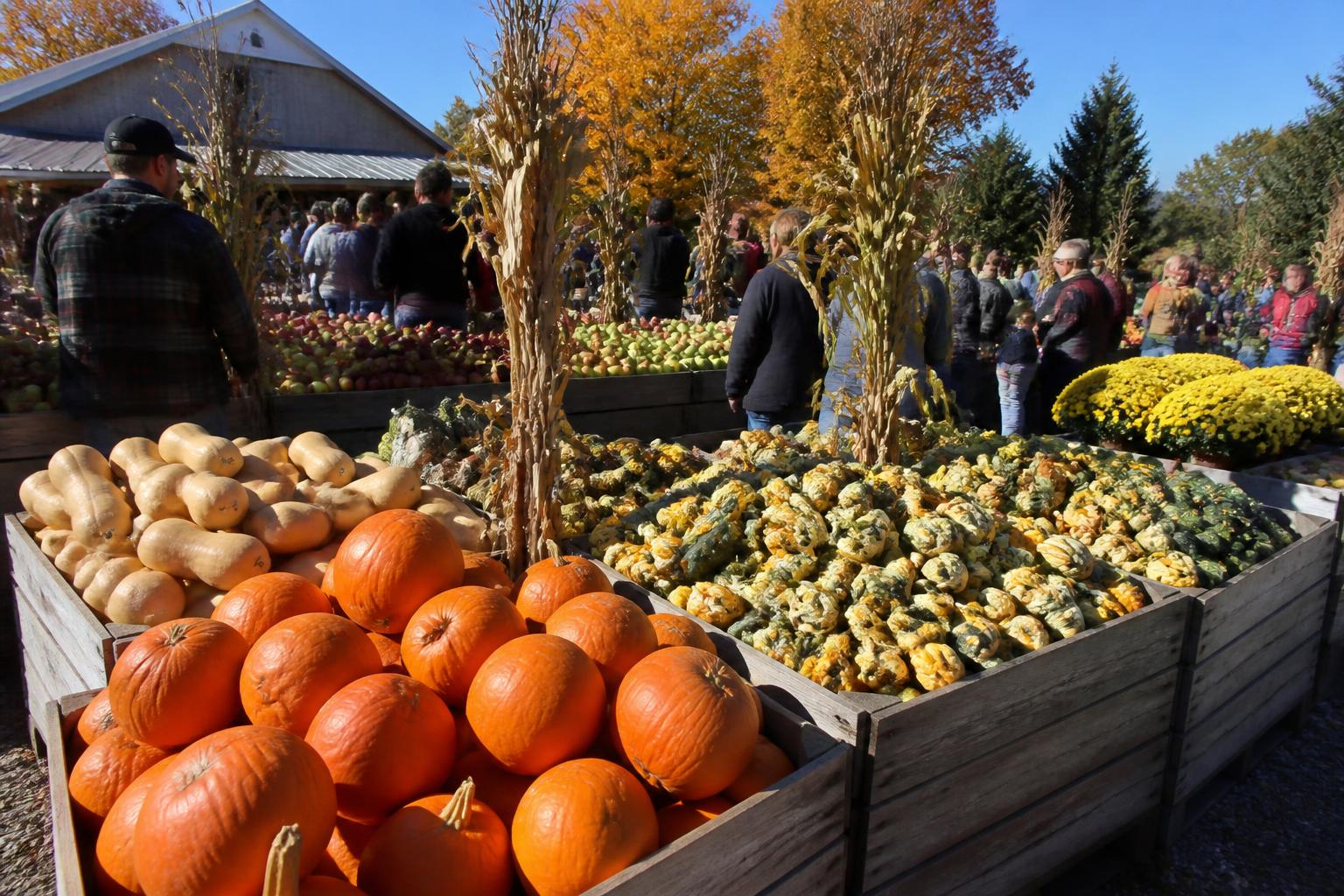
Beyond immediate protection concerns, the evolving market landscape continues to offer diverse paths for revenue. Direct-to-consumer outlets remain a vital channel for many farms, providing a way to connect local harvest yields with neighboring communities. Integrating these operations into broader supply chain strategies often helps family farms navigate the complexities of modern agricultural costs while maintaining their unique role in the regional economy.
Key Takeaways for Producers
- Prioritize regular soil and water testing if your property is near industrial sites or areas affected by recent fire incidents.
- Utilize fall grazing management techniques to improve pasture resilience for the coming winter.
- Review local community-supported agriculture (CSA) opportunities and direct retail stands as effective tools for market diversification.
What it means for the market: For West Virginia producers, this fall is defined by a balance between active harvesting and protective management. By leaning into sustainable land use practices and diversifying distribution channels, local agribusinesses can better weather the volatility of the broader agricultural sector and ensure continued viability heading into the dormant months.
Comments
No comments yet - be the first to share your take.