
Market Headwinds and Regional Pressures
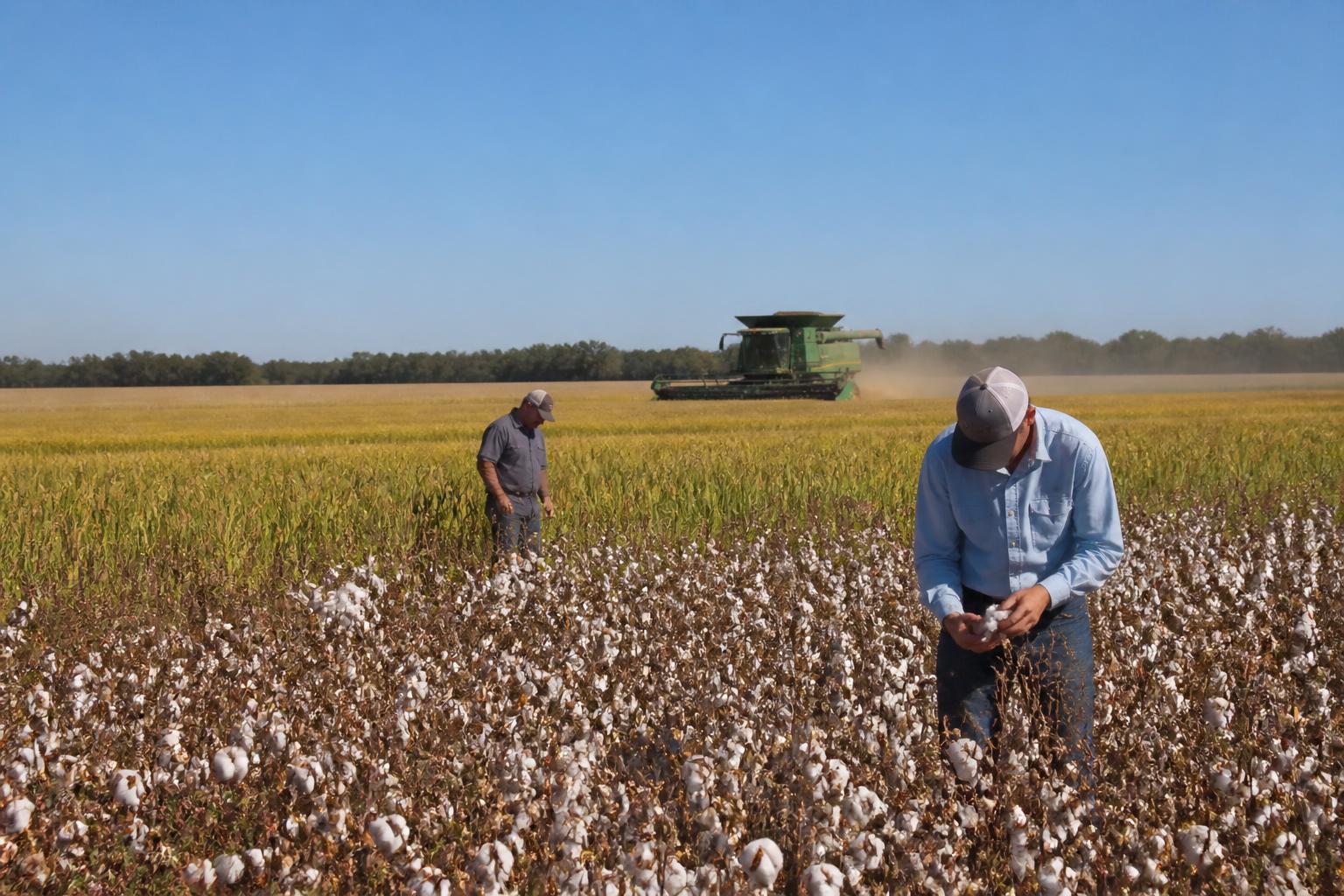
As the fall harvest gains momentum across Texas, producers and grain handlers are navigating a complex landscape defined by shifting global price signals. While international grain markets continue to show signs of weakness, Texas growers are managing localized production challenges. Maintaining close oversight of daily market movements has become a standard necessity for operations looking to hedge risk and secure better margins during this intense operational window.
For those managing grain storage and movement, the current season emphasizes the need for efficient logistics. Whether you are moving product toward Gulf Coast elevators or managing on-farm storage, timing remains critical to avoid bottlenecks during peak harvest days. The interplay between local yield results and global export demand continues to influence where basis levels settle in major Texas hubs.
Input Costs and Fertilizer Logistics
Beyond the grain side of the ledger, input management remains a high-priority concern. The regulatory and supply environment for essential nutrients is evolving, with recent shifts in federal policy regarding phosphate fertilizer tariffs aiming to provide some relief to the domestic market. However, with the regional history of supply chain sensitivity, Texas agribusinesses are still advised to stay proactive with their procurement strategies heading into the next production cycle.
Producers are also exploring new ways to optimize their efficiency, from precision water management technologies to updated marketing strategies. As margin pressures persist, many operations are finding that integrating data-driven tools can help mitigate the impact of fluctuating commodity prices and rising operational costs.
Key Takeaways for Producers
- Monitor Basis: Localized supply levels are creating unique basis opportunities across different Texas regions.
- Input Procurement: Leverage policy changes in phosphate tariffs to re-evaluate your long-term fertilizer purchasing plans.
- Logistics Coordination: Ensure clear communication with transport providers to navigate potential peak-season congestion during harvest.
What it means for the market
The current environment requires a dual focus: agility in responding to daily commodity price shifts and strict discipline in managing input expenses. As the fall season progresses, successful operations will likely be those that leverage updated storage, precision tools, and proactive supply chain planning to protect their bottom line against broader market instability.
Comments
No comments yet - be the first to share your take.