
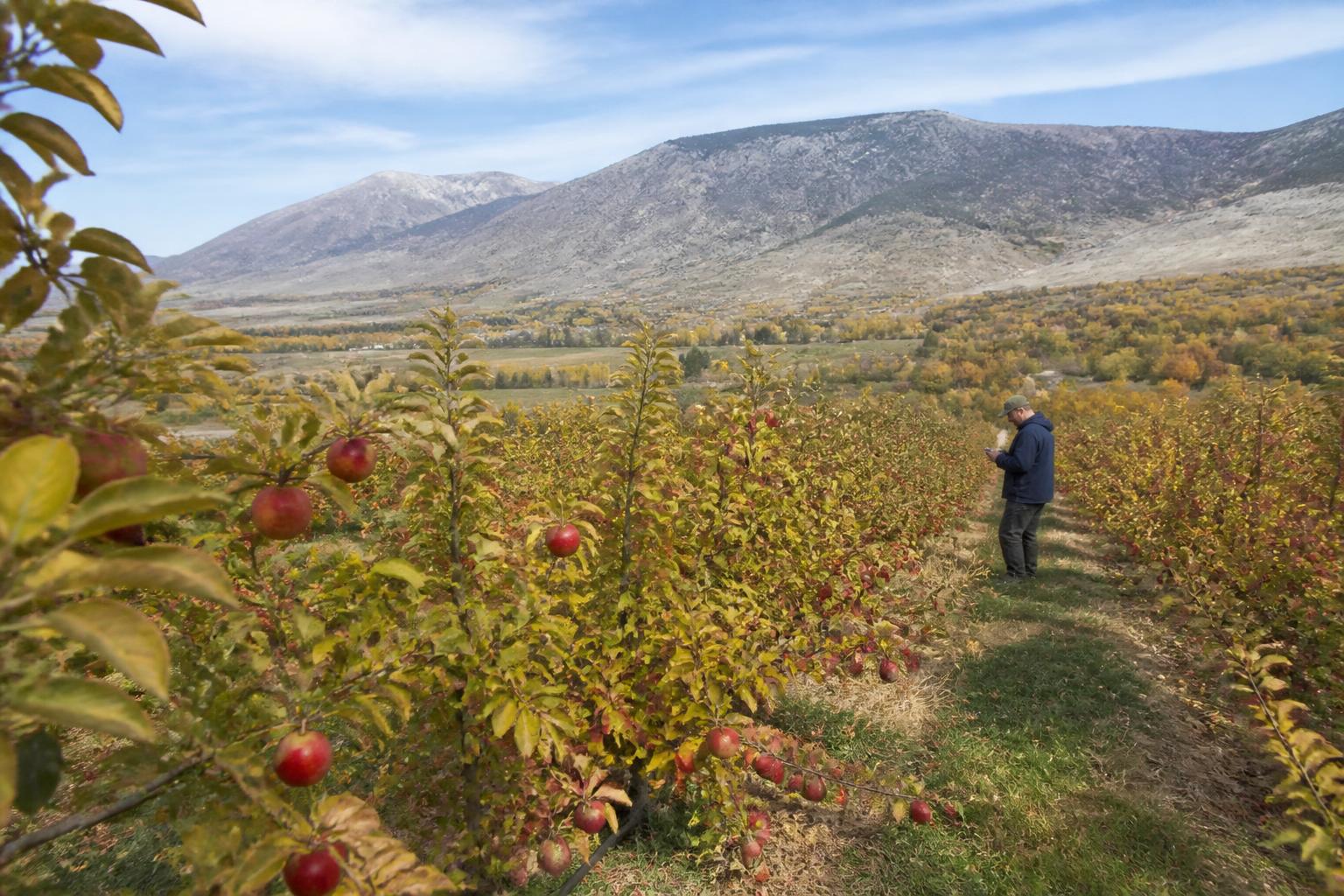
As the fall season brings harvest activity across Utah, agricultural producers are increasingly navigating a landscape marked by both structural economic changes and broader shifts in land management. With historical data pointing to evolving pressures on supply chains and production facilities, many operators are re-evaluating their logistics to maintain competitiveness in a tightening market.
For those managing livestock operations, the current environment underscores the importance of supply stability. When larger processors adjust their regional footprints, it often ripples through local supply chains, requiring producers to stay agile in their routing and long-term planning. You can find more detail on how current logistical shifts in Utah are impacting grain and commodity movement as producers adapt to these changes.
Land Stewardship and Operational Sustainability
Beyond immediate market pressures, Utah farmers are contending with the long-term impact of urban development and land-use policies. As agricultural land preservation becomes a more central topic in growing corridors, initiatives aimed at protecting working landscapes are becoming essential for the future of local production. Keeping ahead of these trends often involves proactive engagement with local organizations that focus on sustaining the rural economy.
Adapting to Economic Headwinds
The intersection of resource management and profitability remains a critical area of focus. Whether dealing with variable input costs or protecting essential water resources, producers are increasingly turning toward data-driven insights to manage their operations efficiently. Further assessments of seasonal weather and market volatility remain vital for those looking to mitigate risks in the months ahead.
What it means for the market
The current agricultural climate in Utah suggests a period of transition. For grain handlers, livestock producers, and service providers, success in the coming quarter will likely hinge on the ability to anticipate infrastructure adjustments and support regional efforts to maintain productive farmland. Staying informed on facility status and local policy changes will remain a primary advantage for those operating within the state's diverse agricultural sectors.
Comments
No comments yet - be the first to share your take.