
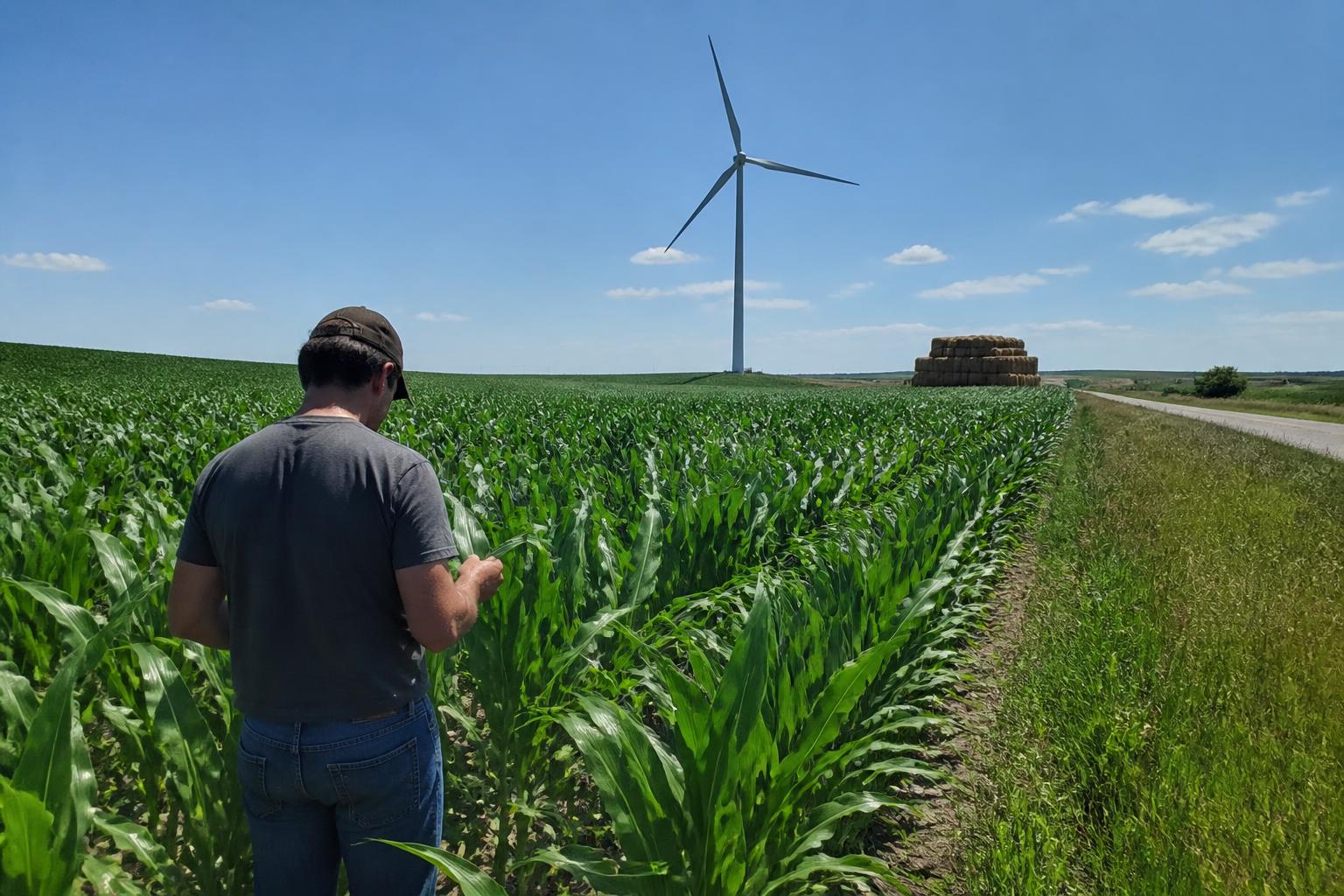
South Dakota growers are navigating a highly active summer crop protection season. While favorable moisture and moderate temperatures have bolstered crop ratings, particularly for corn in south-central South Dakota, operators are working against tight calendar windows. Maintaining high yield potential requires rapid execution of herbicide programs and careful navigation of environmental regulations.
As weed pressure accelerates under warm summer conditions, agribusinesses and custom applicators face the dual challenge of regulatory compliance and high chemical costs. Adapting to strict application windows while keeping input costs manageable remains the central focus for operations across the state.
Managing the Dicamba Cutoff and Spray Logistics
As late June advances, the official deadline for Dicamba application on dicamba-tolerant crops in South Dakota is rapidly approaching. State authorities remind pesticide applicators to adhere strictly to the cutoff date to limit off-target drift and comply with state-specific pesticide restrictions. Applying chemistry during optimal weather windows can be difficult when localized prairie winds pick up, requiring precise boom management and sprayer calibration.
These operational pressures are a major focal point for growers who are already adjusting to broader South Dakota corn market challenges during the summer months, where timely post-emergence weed control directly impacts final busheling. Proactive spray scheduling and close communication with commercial retail applicators are critical to avoiding missed application windows.
Input Market Volatility and Mandatory Price Reporting Efforts
The crop protection and fertilizer markets continue to face upward pressure. Global tensions have contributed to fluctuating chemical and nutrient costs, complicating summer budget projections and late-season crop treatments. To address this lack of retail transparency, a bipartisan bill introduced by Representatives Johnson and Hinson aims to create a mandatory fertilizer price reporting program, which could offer much-needed clarity to buyers negotiating high retail rates.
For many operations, managing these volatile inputs is just as critical as dealing with the physical logistics of spraying. This mirrors similar regional struggles with managing inputs under tight operating margins, reminding South Dakota producers to prioritize product efficiency, generic options, and volume discounts where available.
Broader Stewardship and Field Guidelines
Beyond chemical applications, South Dakota producers must also stay aligned with roadside maintenance rules. Landowners are reminded that they must remove hay bales from public highway rights-of-way by specified summer deadlines to prevent traffic hazards and ease mowing operations. This regulatory detail is a reminder of the busy multi-tasking environment that defines summer field logistics.
Concurrently, larger industry trends are pointing toward long-term soil health and conservation. Partnerships like the expanded collaboration between Ducks Unlimited and Syngenta highlight a growing regional shift toward scaling regenerative agriculture across the Midwest. These initiatives support biodiversity while aiming to optimize input efficiency for commercial producers.
Key Takeaways for South Dakota Operators
- Monitor the calendar: Ensure all Dicamba applications are completed before the state-mandated deadline to avoid regulatory penalties and drift liabilities.
- Watch the wind: Utilize appropriate nozzles and drift-reduction agents, particularly when working fields adjacent to sensitive crops.
- Evaluate pricing: Keep an eye on pending federal legislation regarding mandatory fertilizer price reporting, which may influence future crop input purchasing strategies.
- Clear public rights-of-way: Ensure all hay bales are removed from roadside ditches in accordance with South Dakota state laws to avoid fines.
What it means for the market
The convergence of strict regulatory deadlines, high chemical prices, and tight operating margins means South Dakota crop protection strategies must be executed with extreme efficiency this summer. Farmers who secure their inputs early and maintain flexible spraying schedules will be best positioned to protect their yields. Over the longer term, structural shifts toward regenerative agriculture partnerships and potential federal price reporting mandates could bring more stability to high-risk spray programs across the Northern Plains.
Comments
No comments yet - be the first to share your take.