
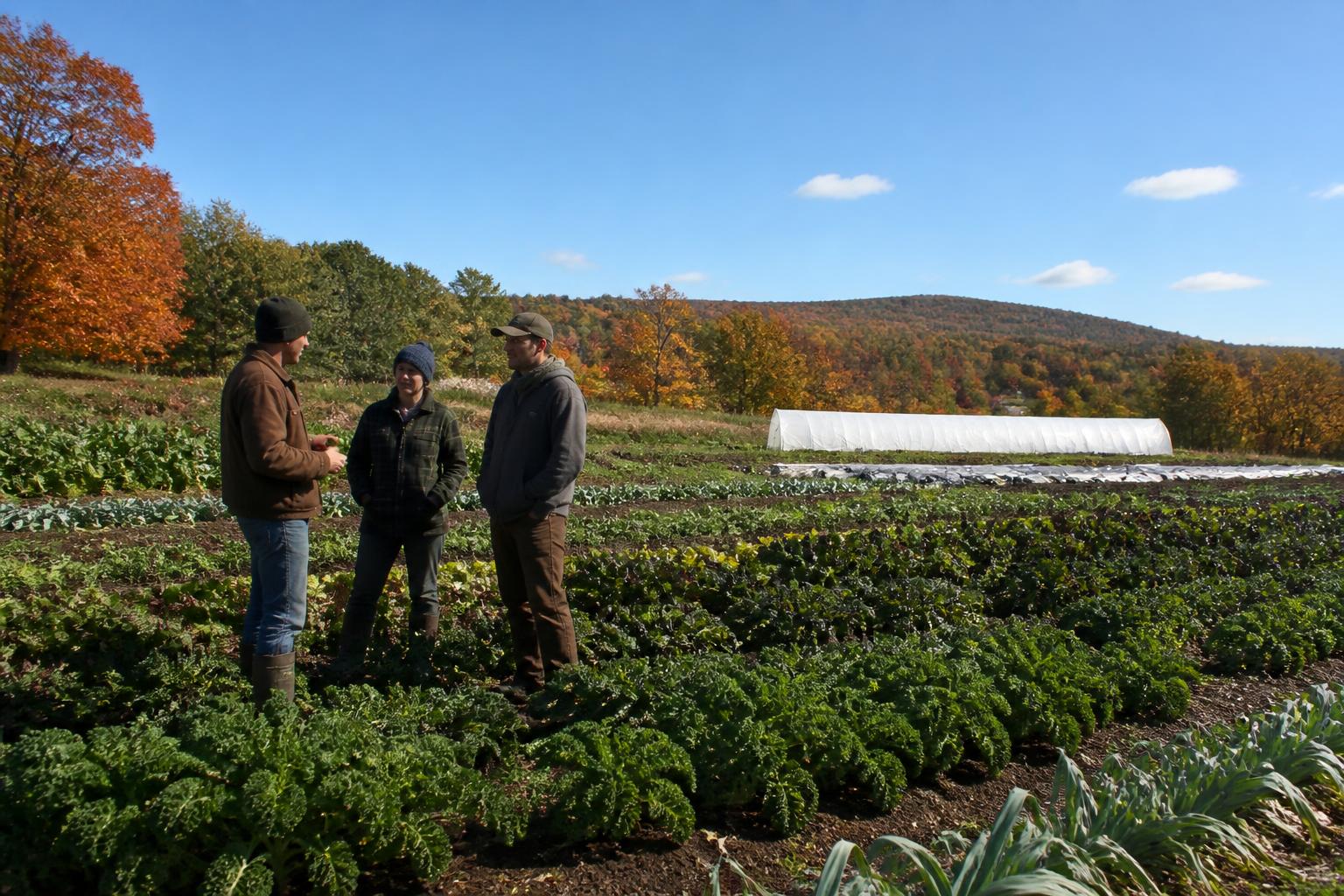
As the fall harvest accelerates across Maine, producers are navigating a multifaceted operational environment. From the iconic fields of Aroostook County to the diversifying coastal landscapes, the agricultural sector is managing a shift toward greater resiliency, often supported by federal funding initiatives aimed at long-term climate mitigation. For many farm businesses, the ability to effectively manage input stewardship remains a cornerstone of maintaining profitability as the season peaks.
Adapting to Environmental and Regulatory Shifts
The state continues to see significant shifts in how local producers address land management. Environmental concerns, such as the presence of persistent chemicals, are prompting rigorous testing and changing how some family farms approach their long-term cultivation strategies. Simultaneously, the integration of modern quality control measures during harvest is becoming essential to ensure that crops meet market standards. These adjustments are not merely logistical; they are vital to maintaining the reputation of Maine-grown products in a competitive regional marketplace.
Building Resilience Through Infrastructure
Infrastructure and technology investments are playing a larger role in how Maine farms handle seasonal volatility. Whether it is leveraging satellite data to optimize oyster farm locations or utilizing precision technology to manage crop health, data-driven decision-making is becoming standard. Producers are also increasingly focused on mitigating grain storage risks to protect the value of their yield throughout the coming months. These investments allow for more flexibility in when and how product is moved to market, helping insulate businesses from mid-season price fluctuations.
What it means for the market
For agribusinesses and carriers operating in Maine this fall, the market reflects a cautious approach to expansion coupled with a high emphasis on compliance and risk management. As harvest throughput hits its stride, producers are prioritizing efficiency in logistics to offset broader economic pressures. Staying agile, maintaining strict adherence to updated regulatory frameworks, and utilizing local resource networks will be the primary drivers of stability for Maine agricultural stakeholders heading into the winter months.
Comments
No comments yet - be the first to share your take.