
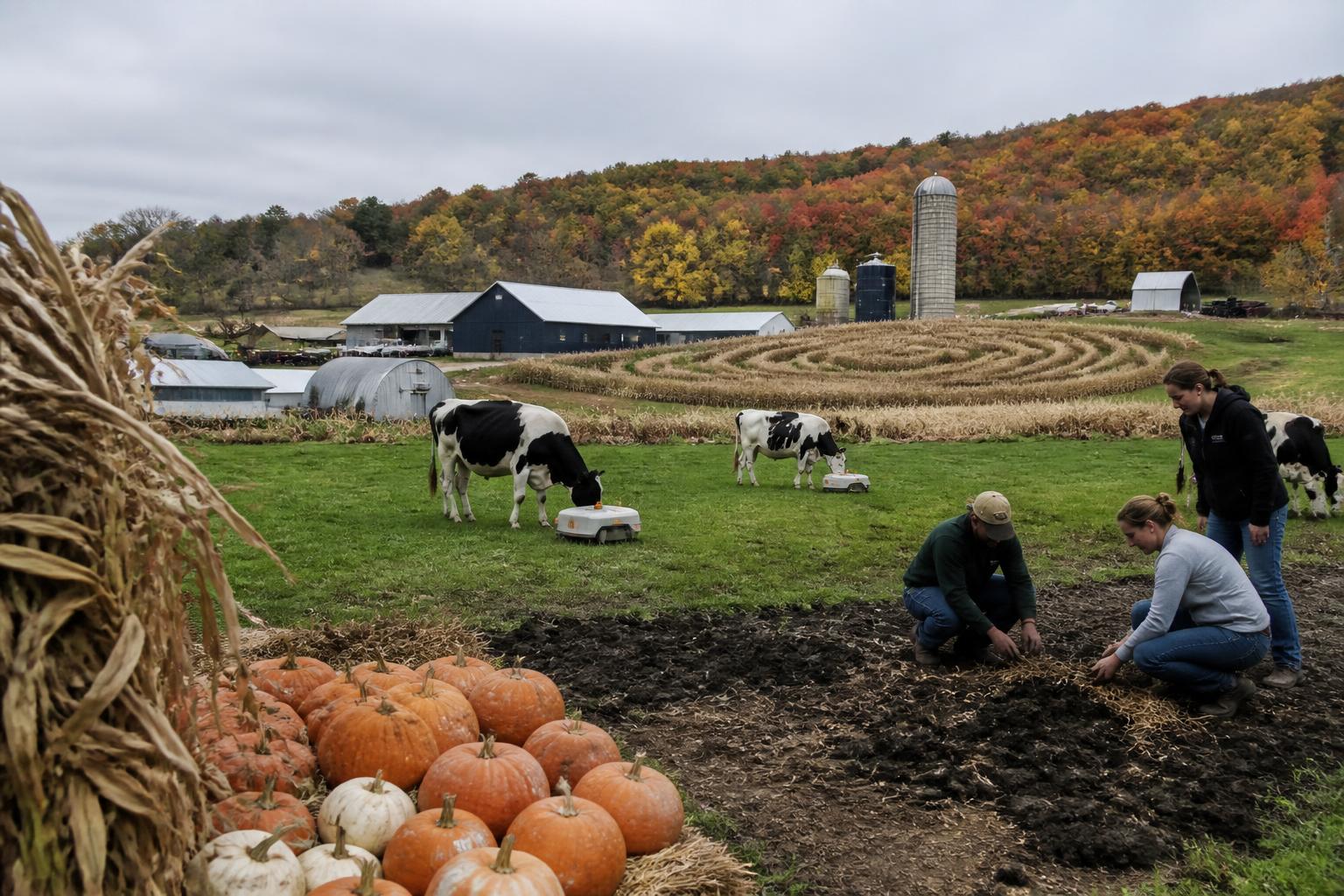
As we move through September, New Hampshire producers are balancing the typical pressures of the harvest season with shifting macroeconomic conditions. While the focus across local fields remains on optimizing yields, many agribusinesses and grain handlers are increasingly preoccupied with the broader operational environment. Recent reports suggest that labor costs, tariff uncertainties, and changing USDA guidelines are becoming central to daily management decisions for many in the region.
These systemic pressures are not occurring in a vacuum. For farmers, this requires a more strategic approach to supply chain management and inventory planning. Understanding how regulatory and operational shifts impact the bottom line is essential as we move toward the final months of the year, particularly for those looking to maintain profitability despite rising overheads.
Adapting to Labor and Regulatory Trends
In various parts of the state, from the fertile valleys to the coastal fringes, growers are finding that the traditional rhythm of the agricultural cycle is now frequently interrupted by administrative and economic headwinds. The current climate makes it difficult for smaller operations to forecast margins with confidence, pushing many to re-evaluate their reliance on seasonal inputs and outsourced logistics. For those closely tracking grain buyers, sellers and local pricing dynamics, staying informed on these broader institutional changes can provide a competitive edge in navigating local supply chains.
Logistics and Resource Management
Efficiency remains the watchword for the coming months. Whether it is managing on-site storage or coordinating with transporters during peak traffic periods, the logistical complexity of moving grain through the Northeast corridor requires agility. Operators are often looking for ways to streamline their processes to hedge against the volatility identified in recent seasonal logistics and supply chain assessments. By focusing on asset utilization and minimizing idle time, agribusinesses can better shield themselves from the compounding effects of labor shortages and cost increases.
What it means for the market
The immediate outlook for New Hampshire grain markets is characterized by a mix of cautious optimism and operational vigilance. As the industry continues to absorb the impact of federal policy adjustments, producers who prioritize flexible marketing strategies and lean logistics will likely be best positioned to weather the current cycle. Monitoring regional trends alongside broader national shifts remains the most reliable path for sustained market participation throughout the remainder of the harvest.
Comments
No comments yet - be the first to share your take.