
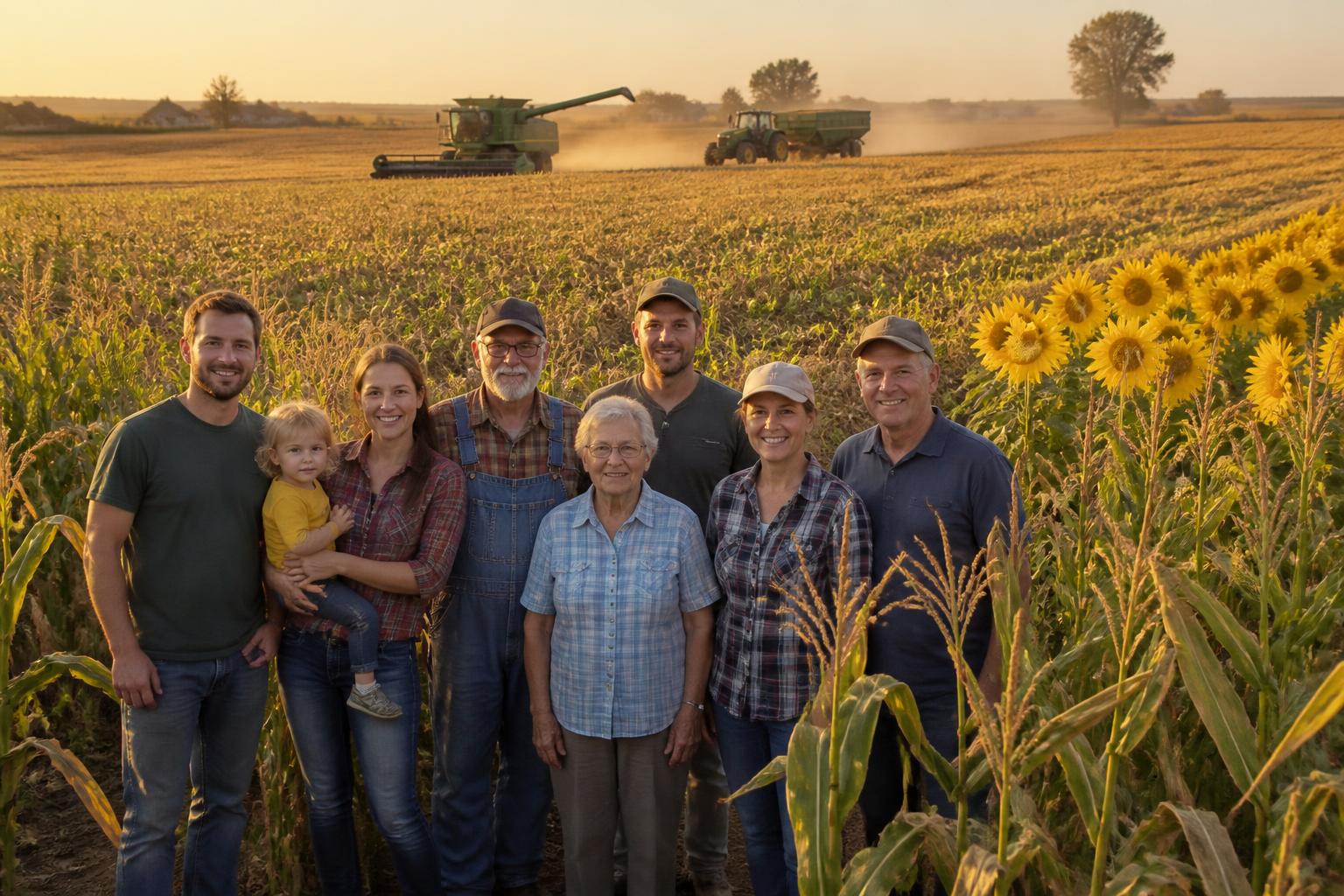
As the fall harvest season progresses across Delaware, farmers are increasingly focusing on fine-tuning their crop protection strategies. Navigating the complexities of pest management, particularly with invasive threats like the spotted lanternfly, requires constant vigilance and an understanding of regional dispersal patterns. Staying ahead of these pressures is essential for maintaining field health as the season winds down.
Integrated Approaches to Pest and Weed Control
Modern Delaware agriculture often relies on a blend of mechanical and chemical strategies to maintain yields. Producers are finding that complementing herbicide programs with harvest weed seed control techniques can be a powerful way to reduce the weed bank for the coming year. These integrated efforts are vital, especially as regional agronomists emphasize the need to protect soil health and crop integrity amidst changing climatic variables.
Navigating Market and Input Realities
Market stability remains a top-of-mind issue for many growers, particularly as global supply chain dynamics continue to influence input costs. Whether addressing the fluctuations in fertilizer pricing or looking for opportunities in the organic market sector, Delaware producers are adapting their business models to suit a shifting landscape. This agility is becoming a hallmark of local agribusiness, from independent family-run Century Farms to larger operations.
What it means for the market
For Delaware agribusinesses and grain handlers, the current fall environment suggests that a proactive approach to crop protection and input sourcing is more important than ever. As farmers evaluate their success from this harvest, the ability to mitigate risks through smart asset management and strategic planning will likely define the outlook for the next planting cycle. Growers who maintain strong, flexible networks for both supplies and output markets are better positioned to weather ongoing volatility.
Comments
No comments yet - be the first to share your take.