
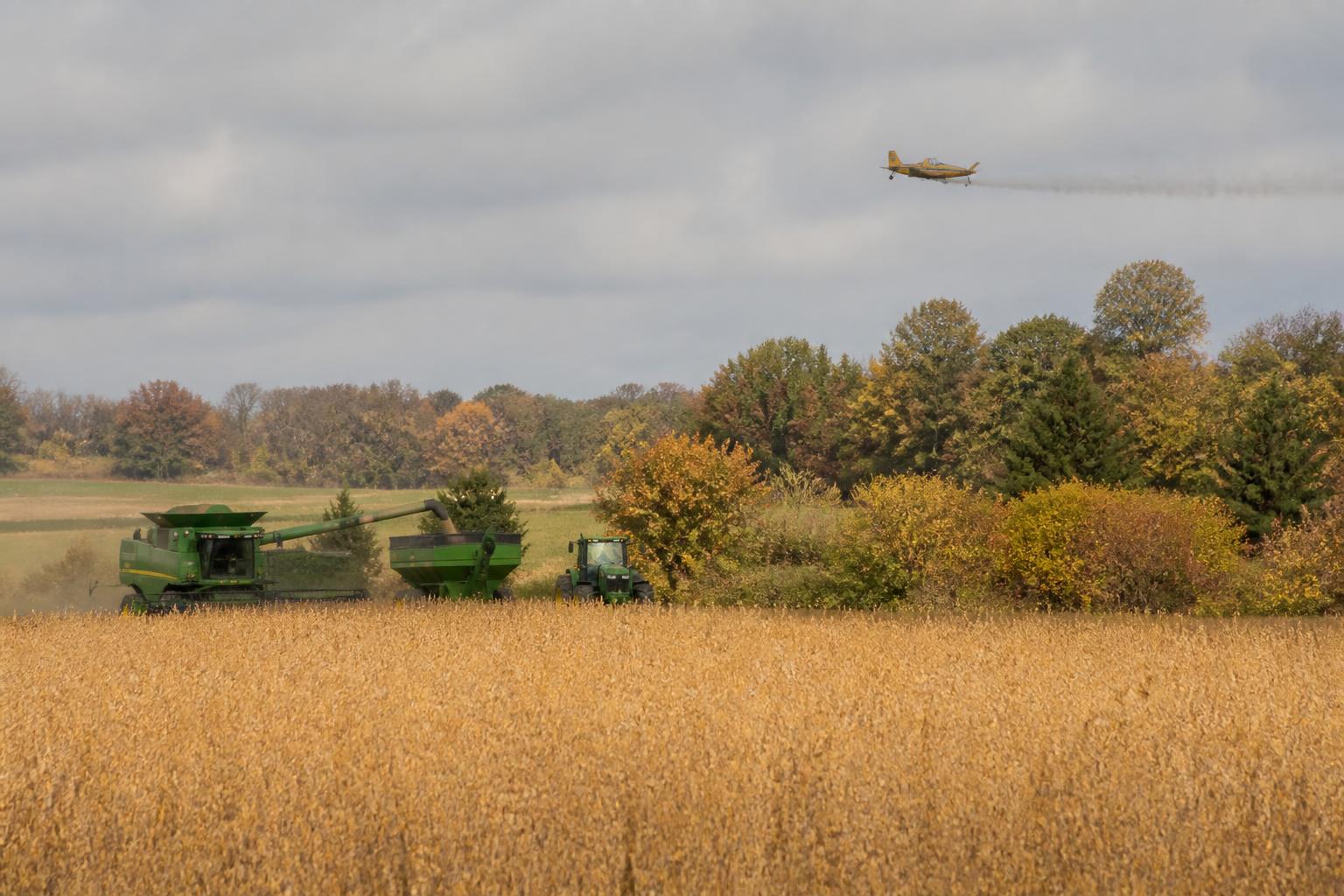
As Maryland enters the peak of the fall season, the focus for many farmers on the Eastern Shore and throughout the state shifts from final harvest preparations to soil health and long-term land stewardship. With grain fields beginning to clear, now is the ideal time to coordinate the logistics of winter cover crop establishment. Implementing these measures not only supports ongoing land preservation efforts across our rural communities but also helps maintain soil integrity through the coming colder months.
Aligning Fertilizer Timing and Environmental Compliance
Farmers are reminded to stay attentive to state-mandated guidelines regarding nutrient application. While operational windows for commercial fertilizer usage typically remain open through the late fall, it is essential to review current environmental regulations. Staying within these defined parameters ensures that Maryland agricultural businesses continue to operate sustainably while avoiding potential runoff issues during late-season precipitation events.
Logistics of Fall Field Work
The autumn months often bring increased activity in the skies and on local roads. Growers may notice a higher frequency of low-flying aircraft performing aerial seeding for cover crops. When planning your logistics for the coming weeks, anticipate potential transit delays on rural routes and ensure that equipment movement remains coordinated with neighboring operations to maximize efficiency as the harvest window closes.
Beyond immediate planting, this is a strategic period to assess your input needs for the next cycle. Monitoring market signals on fertilizer pricing and availability allows for better capital allocation as you look toward the next spring season.
What it means for the market
For Maryland agribusinesses, the intersection of harvest completion and fall planting creates a critical management window. Proactive planning for soil amendments and cover crop integration—while remaining in full compliance with state environmental protocols—is essential for mitigating risk. By streamlining these workflows now, producers can better manage input costs and position their operations for a more resilient, productive start to the next growing season.
Comments
No comments yet - be the first to share your take.