
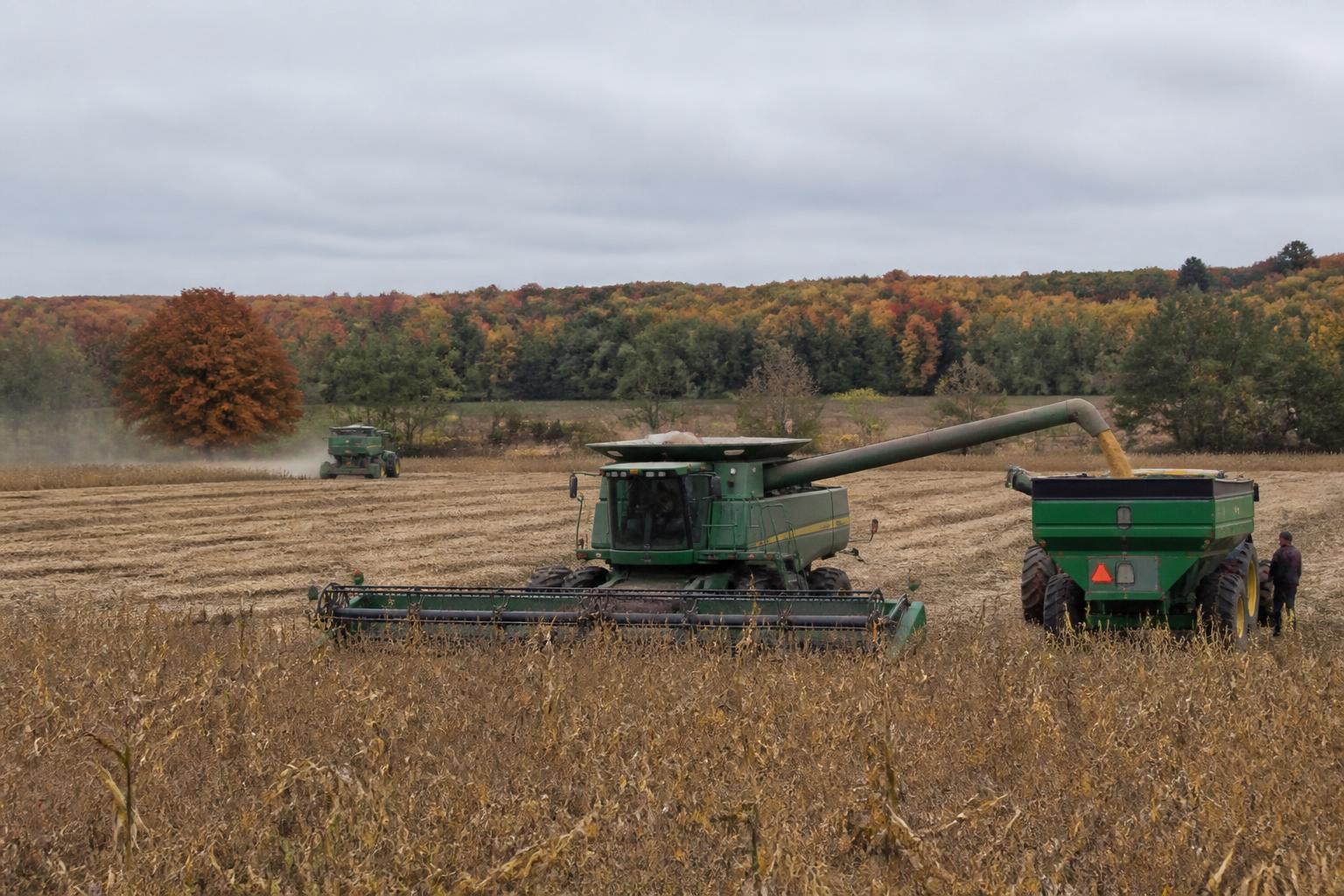
The arrival of autumn brings a surge in activity across Minnesota as the soybean harvest picks up speed. For many growers, this period is defined by a race against the calendar to move grain efficiently, even as the broader logistics and export environment remains in flux. Farmers are navigating these seasonal demands while keeping a close eye on the long-term viability of their supply chains.
Infrastructure Adjustments Impact Local Handling
With harvest momentum building, local grain handlers are recalibrating their service footprints. In parts of southern Minnesota, specific elevator sites are winding down operations, prompting producers to re-evaluate their delivery logistics for the upcoming seasons. This shift in local infrastructure forces grain transport planning to adapt to new transit distances and storage availability, often requiring earlier coordination with regional trucking partners to ensure that volume can be moved without bottlenecks.
Global Market Volatility and Local Strategy
While regional operations focus on field performance, the market backdrop remains challenging. Fluctuating export demand continues to influence price discovery, leading many growers to diversify their marketing strategies. Some producers are actively pursuing non-traditional international markets to offset shifts in traditional trade patterns. This focus on global reach represents a strategic pivot for Midwestern operations, which must balance these external pressures against the realities of record-potential crop volumes that can occasionally suppress local cash bids.
Looking Ahead to 2026 Decisions
Beyond the immediate demands of the combine, the agricultural community is already contemplating the cost structures for the 2026 production year. Recent discussions among farmers and legislators highlight concerns regarding input costs and land access. There is a growing anticipation that operators will prioritize lower land rental rates as a necessary adjustment to maintain margins in a landscape characterized by narrow profitability and ongoing market uncertainty.
What it means for the market
The convergence of a high-volume harvest and changing local grain-handling capacity suggests that logistical agility will be a primary driver of success this fall. Growers who have secured reliable transport and diversified their storage and delivery options may find themselves better positioned to weather the volatility in both local cash markets and broader global commodity pricing.
Comments
No comments yet - be the first to share your take.