
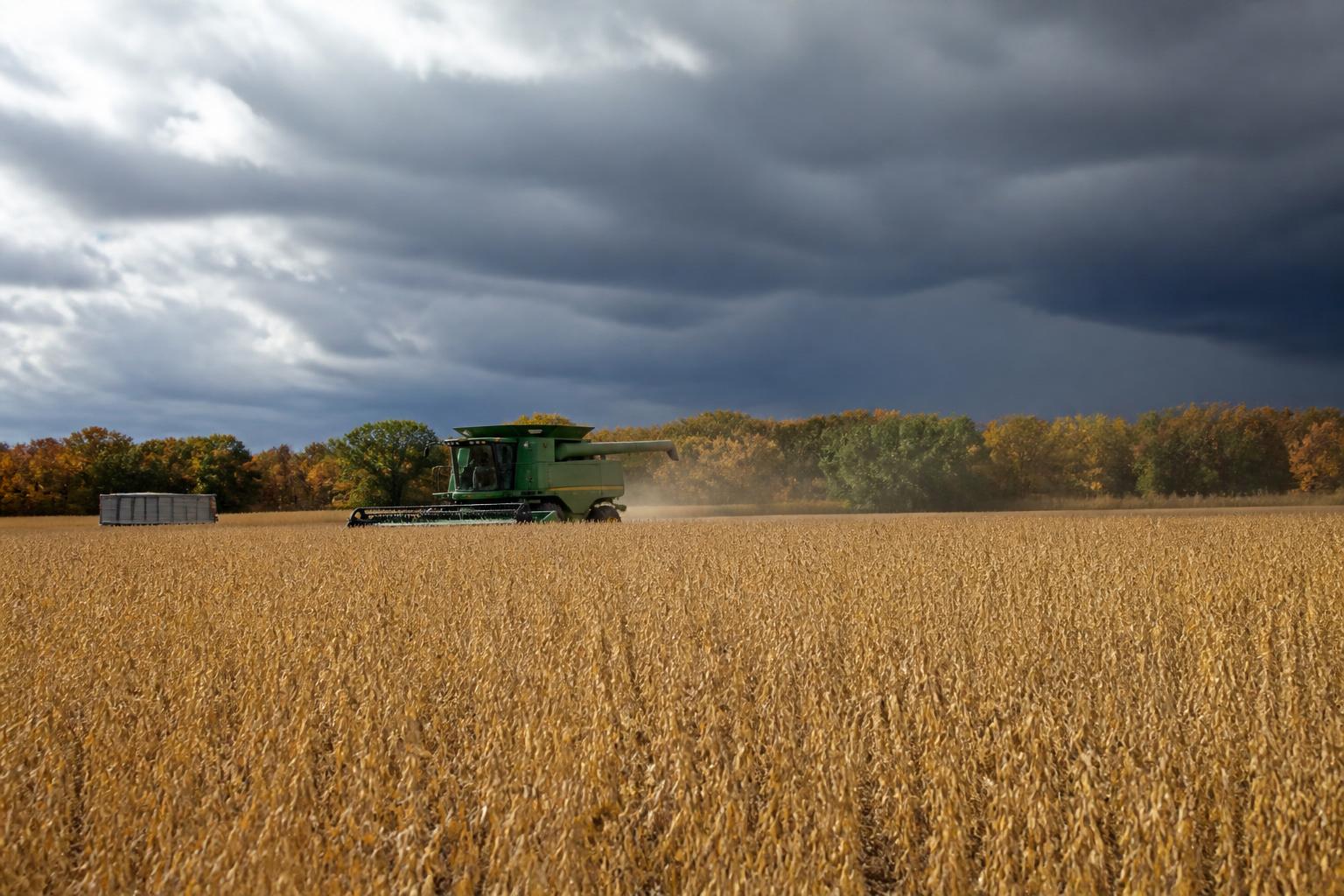
With the fall season in full swing, Oklahoma agricultural producers are keeping a close watch on shifting market conditions. Following reports of volatility in winter wheat markets earlier this year, farmers are navigating a landscape defined by production variability and changing supply chain factors. For many grain handlers and growers, this period is critical for assessing storage options and refining sales strategies to mitigate ongoing market risk.
Monitoring Input and Market Trends
Fertilizer prices have shown signs of holding steady, providing a brief window of stability for producers planning their upcoming rotations. However, as local elevators and cooperatives analyze regional stock, the focus remains on balancing input costs against current commodity price pressure. Understanding the latest Oklahoma grain market updates is vital for those looking to protect their bottom line during these shifts.
Operational Readiness and Risk Management
Beyond commodity prices, producers are increasingly aware of the need for robust logistical planning. Ensuring that transportation and storage are optimized can be the difference between capturing a premium or facing lower returns. Furthermore, as the industry evolves, many are looking into logistics and trailer trends to improve efficiency during peak transit times.
Key Takeaways for Producers
- Stay informed on regional supply and demand fluctuations to better time market exits.
- Evaluate existing storage capacity to maximize flexibility during periods of high price volatility.
- Keep a close eye on input pricing, as sudden market shifts could impact upcoming planting preparations.
What it means for the market: The current environment requires a proactive approach to risk management. By leveraging available insights and maintaining operational flexibility, Oklahoma agribusinesses can better withstand seasonal uncertainties and position themselves for more stable financial outcomes in the coming months.
Comments
No comments yet - be the first to share your take.