
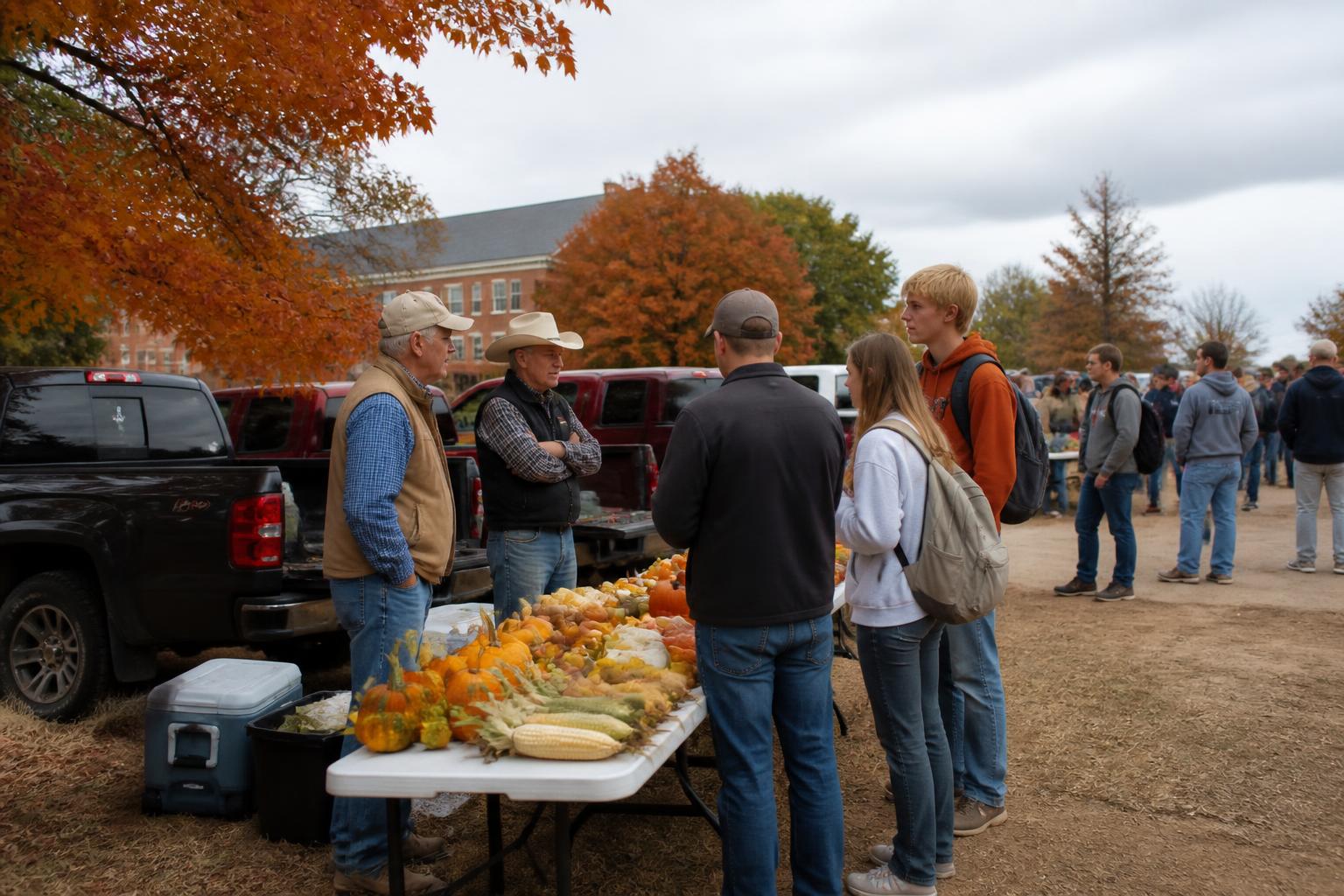
With the fall harvest gaining momentum across the Sooner State, logistics and transport efficiency remain critical components of a successful season. Oklahoma producers continue to evaluate the durability and capacity of their transport fleets, particularly as they navigate the busy harvest season from the Panhandle to the Red River valley. Maintaining equipment, including specialized trailers, helps ensure that grain reaches local elevators and processing facilities with minimal delays.
While broad market trends point to evolving designs in the dolly trailer market to meet e-commerce demands, for the average Oklahoma agribusiness, the focus remains on reliability on rural roads. Modernized logistics strategies, such as navigating late-season infrastructure constraints and ensuring equipment readiness, are essential when moving commodities to market efficiently during peak periods.
Adapting to Seasonal Logistics
The transition into late autumn often brings a shift in transportation needs. Producers are increasingly looking for ways to streamline their hauling processes. As discussed in recent analysis on managing margin volatility, reducing transport downtime is a key leverage point for improving profitability. Whether it is scheduling deliveries during off-peak hours or ensuring trailers are within legal weight limits for state highway corridors, every adjustment contributes to smoother operations.
Building for the Future of Ag
Logistics innovation is not just about the current harvest. Collaborative efforts, such as the recent community discussions at Oklahoma State University surrounding future agricultural blueprints, emphasize the importance of long-term planning. Aligning operational logistics with forward-thinking infrastructure investments, like those explored in our previous insights on navigating input cost pressures, creates a more resilient path for the state's agricultural community.
What it means for the market
For Oklahoma farmers and commercial handlers, the current environment demands a dual focus on equipment maintenance and logistical efficiency. While national industry trends evolve toward more complex designs, the immediate benefit for local operations lies in maximizing the uptime of existing trailer assets and strategic route planning to mitigate the impact of seasonal traffic surges on local grain supply chains.
Comments
No comments yet - be the first to share your take.