
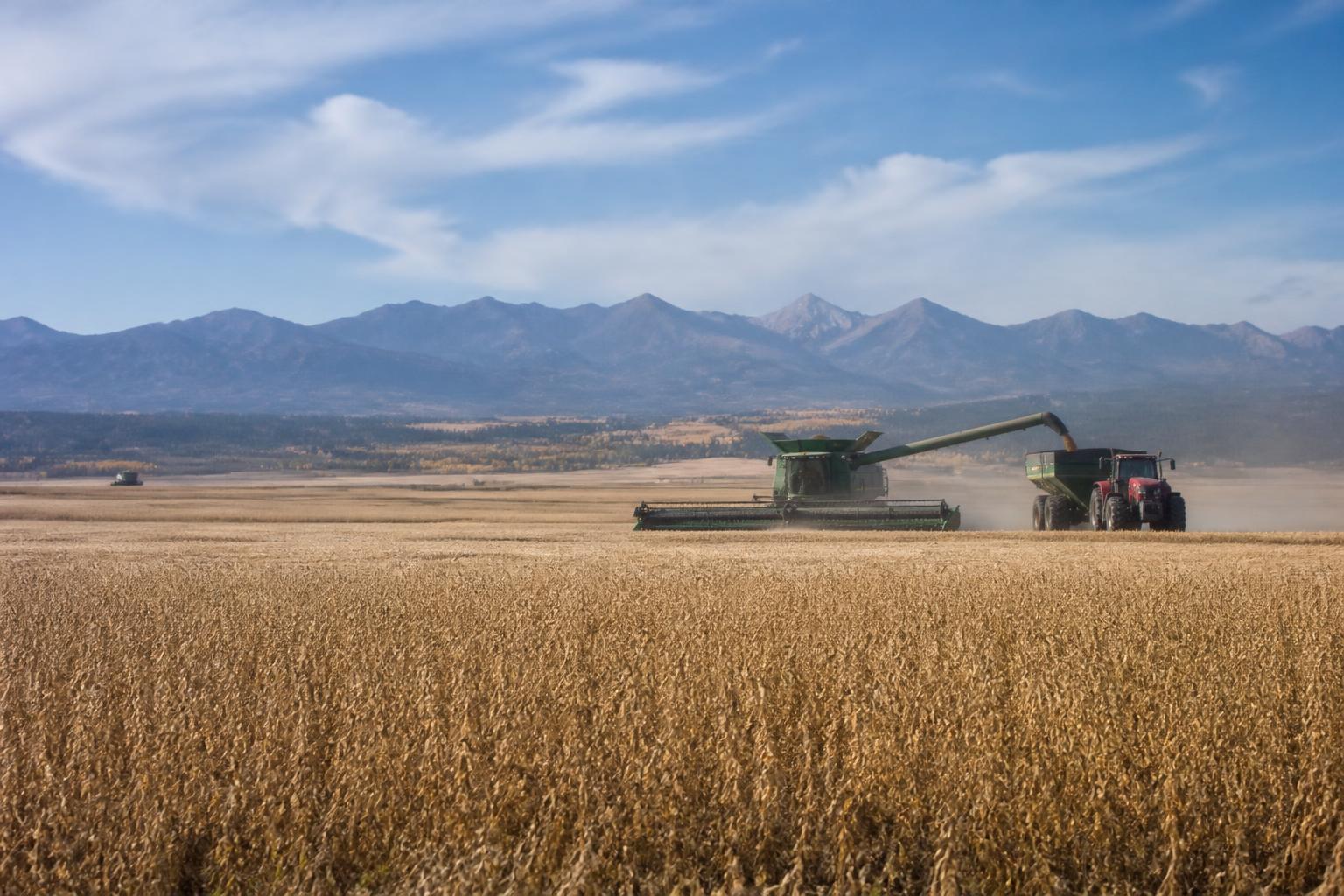
As the fall harvest season winds down across Montana, producers are turning their attention toward yield evaluations and market positioning. Reports indicate that Montana-developed wheat varieties have remained a primary choice for growers this cycle, providing a foundation for stability in what has been a varied production environment. For many elevator managers and grain handlers, the focus is now transitioning from field speed to the complexities of storage and regional transport.
Evaluating Regional Crop Performance
While the state has seen notable activity in wheat production, some regional data suggests that crop performance remains sensitive to localized pressures. Producers across the state are continuing to monitor soil conditions and pest impacts, which remain essential considerations for land management heading into the colder months. Establishing robust fall field stewardship practices is helping many operators mitigate these risks before the winter dormancy period begins.
Logistics and Market Access
With grain bins filling up, logistics remain a critical bottleneck. Montana agribusinesses often face unique challenges in moving pulse and cereal crops to coastal ports or rail-connected processing facilities. Efficient inventory management and coordination with regional carriers are essential for maintaining liquidity. As the season progresses, many handlers are finding that proactive communication with transport partners is the most reliable way to navigate weight restrictions and seasonal traffic fluctuations often found on rural corridors.
Key Takeaways for Producers
- Prioritize moisture testing and aeration for late-harvested grain to preserve quality in storage.
- Review variety performance data against localized regional yield benchmarks to inform planting strategies for the next season.
- Coordinate with local elevators early to understand space availability and trucking capacity.
What it means for the market
For the Montana agricultural sector, the coming weeks represent a pivotal transition from production to distribution. While global market fluctuations influence grain prices, local supply chain efficiency remains the most immediate factor for individual operations. By maintaining a close eye on storage integrity and regional logistical pathways, producers and handlers can better manage the transition from the fall harvest into the winter planning cycle.
Comments
No comments yet - be the first to share your take.