
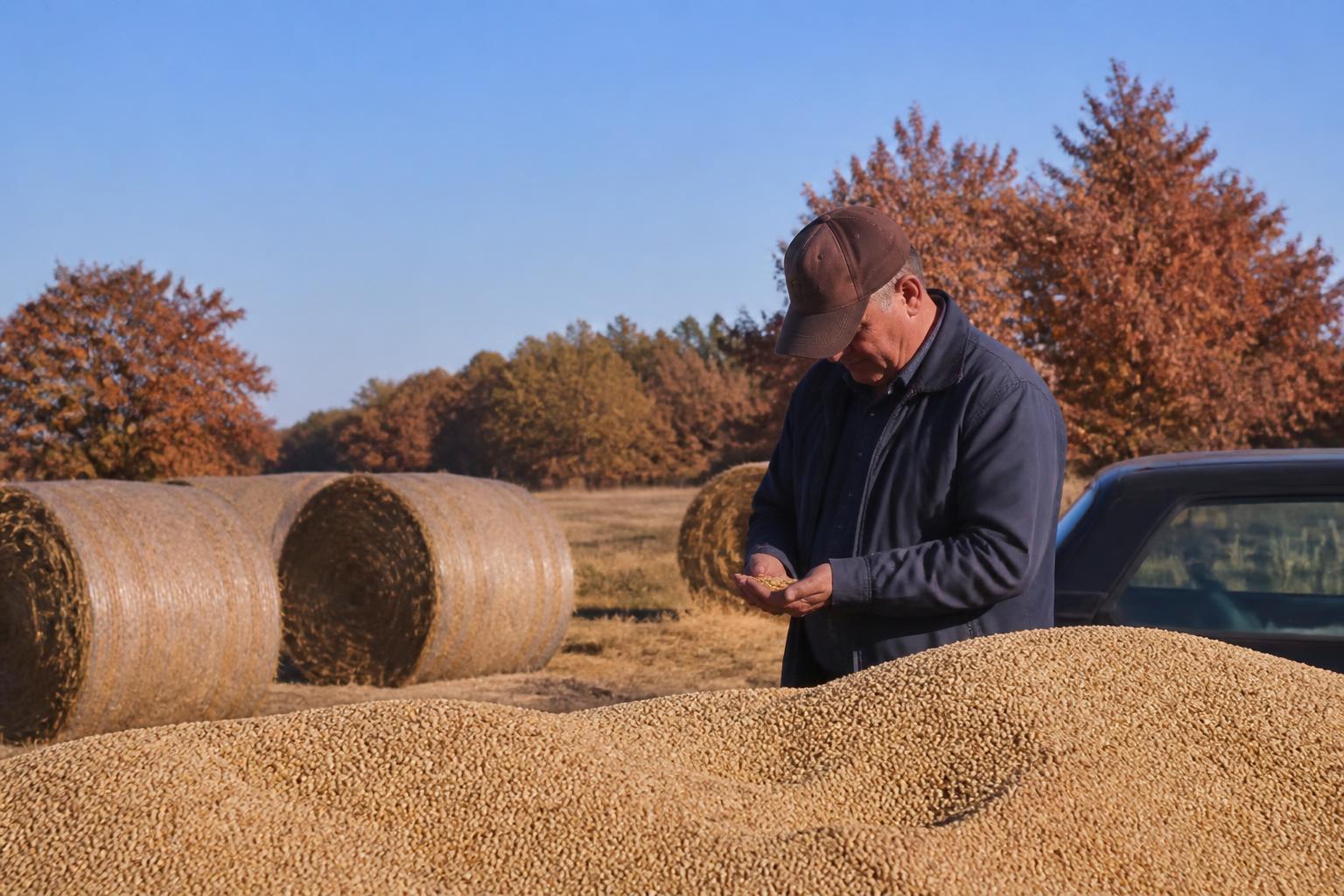
Oklahoma producers are currently navigating a complex harvest season, balancing the impacts of recent beneficial moisture against the persistent challenge of tight operational margins. As the fall season progresses, the focus shifts toward effective grain marketing strategies to address supply pressures and optimize returns in an environment where every bushel counts.
Producers managing margin volatility are increasingly looking toward refined risk management tools. Recent discussions among industry leaders highlight the frustration surrounding the lack of progress on national farm bill legislation, which leaves many regional operations without the long-term policy certainty needed for capital planning. This climate of uncertainty makes it difficult for farmers to forecast seasonal costs, particularly as they evaluate their options for grain storage and potential marketing decisions.
Infrastructure and Logistical Considerations
Beyond the field, the movement of this year's crop remains a critical factor for elevators and trucking outfits. While recent rain has provided a much-needed boost to soil moisture in many parts of the state, managing the quality and quantity of stored grain requires careful attention to efficient logistical planning. Ensuring that equipment is ready for the demands of the current cycle is essential, especially as rural corridors face the inevitable traffic of peak harvest months.
Broader Market Dynamics
Agribusinesses across the state are also observing shifts in regulatory landscapes and institutional partnerships. Recent legislative changes, such as the prohibition of garbage feeding to pigs, indicate a tightening of biosecurity and industry standards. Meanwhile, academic collaborations, such as the new dual-degree initiatives between Oklahoma State University and international counterparts, signal a long-term commitment to advancing agricultural research and management practices that may eventually benefit the state's commercial output.
What it means for the market
For Oklahoma farmers and handlers, the current environment demands a cautious approach. With margins remaining tight, the emphasis is on leveraging available risk management programs and ensuring that grain is moved efficiently to maximize price points. As we move deeper into the fall, monitoring regional basis levels and staying informed on national policy developments will be paramount for maintaining operational stability.
Comments
No comments yet - be the first to share your take.