
As Florida moves into the fall season, producers across the state are navigating a complex landscape defined by varied crop performance and evolving logistics. While local vegetable harvests have recently faced mixed results, the broader agricultural community remains focused on balancing production stability with the reality of fluctuating input costs.
For growers in regions like the I-75 corridor or near the specialized production hubs of South Florida, current market conditions require close attention to input procurement. Access to fertilizers and crop protection tools remains sensitive to global supply chain pressures, with many operations looking for ways to optimize their seasonal investments amid ongoing uncertainty in international trade.
Technology and Resilience in the Field
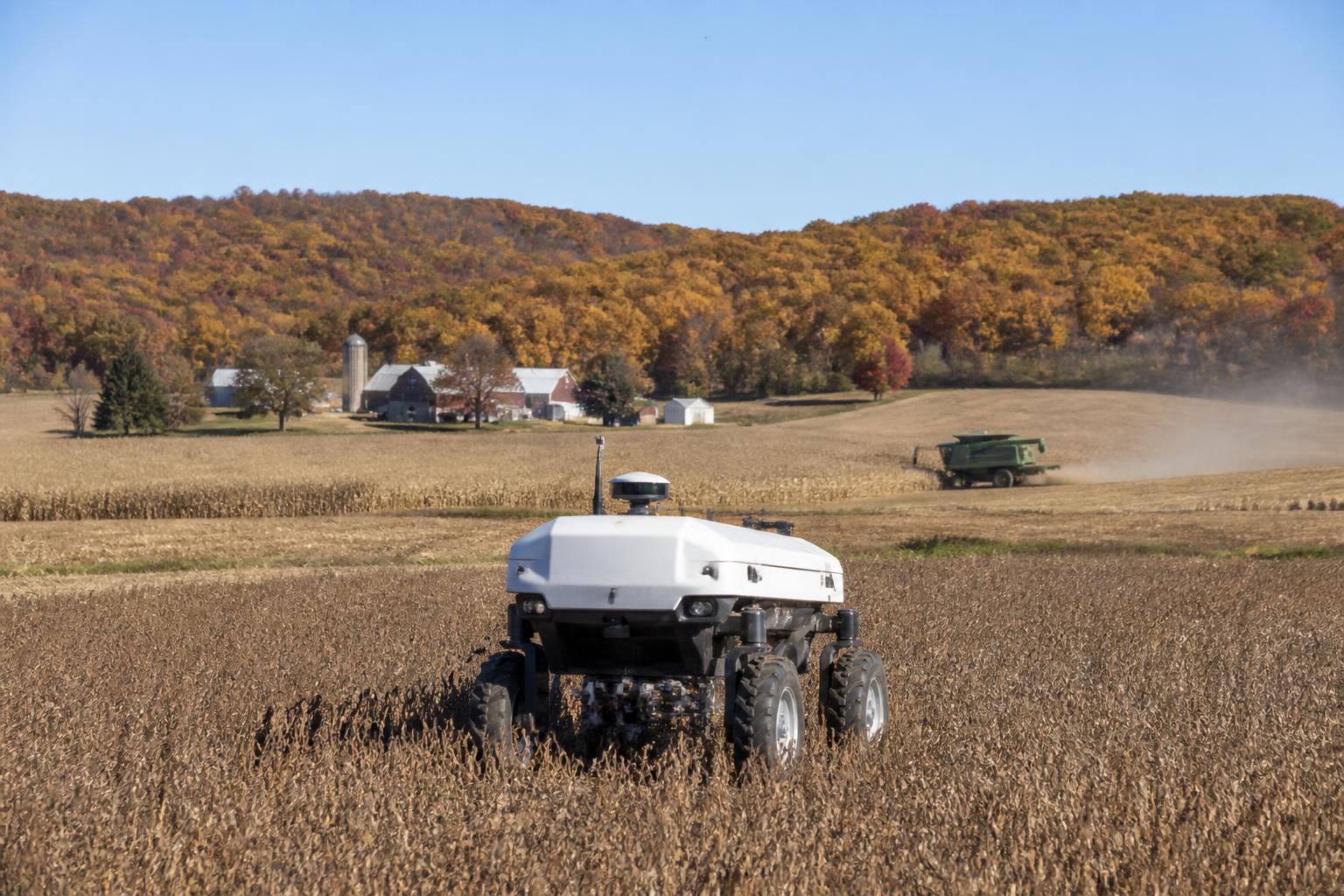
The integration of new technologies is playing a larger role in how Florida farms address these challenges. From digital twins used for resource management to the adoption of autonomous equipment, producers are seeking efficiency gains to offset rising costs. These advancements allow for more precise application of inputs, which is particularly beneficial as regional growers work to mitigate the impact of invasive pests, such as leafhoppers, that continue to pressure local specialty crops.
Logistics and Market Access
Logistical reliability remains critical for Florida's agribusinesses as they prepare for the upcoming months. Whether managing transport to regional processing centers or coordinating final mile delivery, the ability to maintain steady operations is vital. Market participants are encouraged to keep a close watch on regional infrastructure and any potential constraints that could impact the movement of goods during this seasonal transition.
Key Takeaways
- Input volatility continues to shape purchasing decisions for the fall cycle.
- Adoption of precision technologies is assisting growers in managing invasive pest pressure.
- Regional logistics require proactive management to ensure consistent supply chain throughput.
What it means for the market
The current agricultural climate in Florida highlights a growing need for agility. As producers work to balance mixed harvest expectations with the costs of essential inputs, those leveraging data-driven management and efficient logistics are better positioned to sustain their margins. For the remainder of the season, maintaining close communication with local suppliers and monitoring regional market shifts will be the most effective strategy for navigating these headwinds.
Comments
No comments yet - be the first to share your take.