
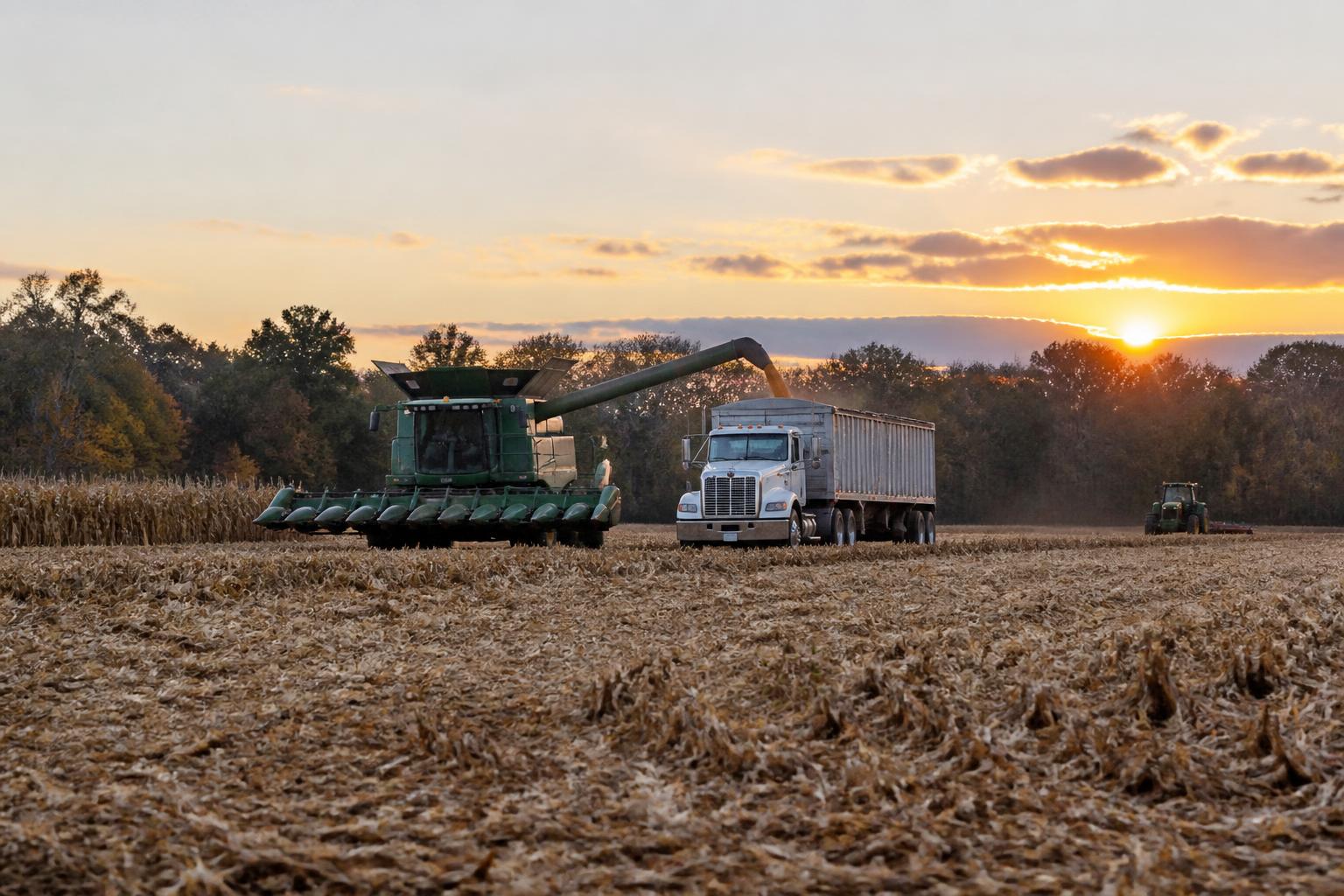
For Florida producers and agribusinesses, the fall season often brings a distinct set of operational challenges. As harvest activities ramp up, grain handlers across the state are focusing on optimizing storage and distribution to accommodate seasonal shifts. Understanding regional grain supply dynamics remains essential for maintaining liquidity and managing price exposure during these active months.
Input management continues to be a central theme in the current market environment. Recent volatility in fertilizer pricing has prompted many growers to re-evaluate their procurement strategies, with some leaning into precision management or reassessing nutrient application to offset rising operational expenditures. The intersection of fertilizer market shifts and overall farm profitability requires a proactive approach to procurement as the industry looks toward the next planting cycle.
Logistics and Market Resilience
The state's agricultural infrastructure faces persistent pressure from logistical bottlenecks that can impact everything from regional grain movement to the delivery of critical inputs. Strengthening supply chain agility is often cited as a primary goal for Florida's agribusiness leaders. By focusing on efficient throughput, businesses can mitigate the risks associated with unexpected supply disruptions or seasonal bottlenecks in transport corridors.
Furthermore, staying informed on evolving logistical frameworks allows market participants to better navigate the complexities of moving goods in a state where geographical constraints often complicate the traditional transport flow. Developing relationships with reliable carriers and understanding regional storage availability can provide a crucial buffer against market instability.
What it means for the market
Producers and handlers who prioritize transparency in their marketing strategies and remain disciplined regarding input investments are better positioned to weather the current economic climate. As we progress through fall, monitoring regional supply trends and maintaining operational flexibility will be key to capitalizing on market opportunities and shielding the bottom line from unforeseen localized shifts.
Comments
No comments yet - be the first to share your take.