
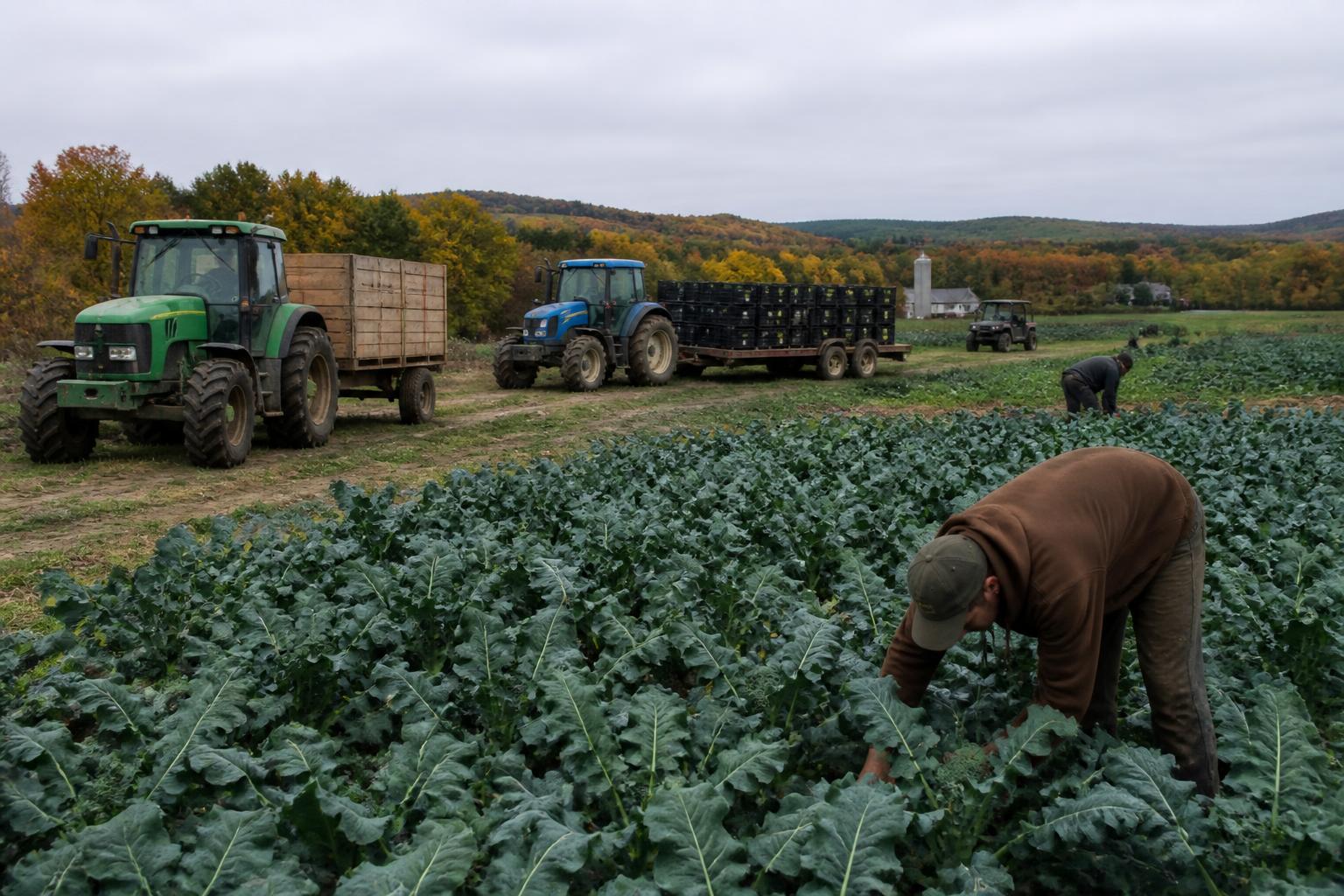
Managing Compliance in a Challenging Landscape
As Maine agriculture moves through the fall season, producers across the state are facing a complex web of regulatory challenges that impact daily operations and long-term viability. Recent incidents involving the detection of unauthorized pesticides have led to mandatory crop destruction in northern regions, highlighting the heightened scrutiny on inputs. For many growers, this is part of a broader, ongoing effort to maintain safe and compliant food systems while managing the financial risks that accompany such losses.
The pressure is further intensified by the ongoing need for institutional support, particularly for farms grappling with legacy environmental issues. Addressing these regulatory and environmental hurdles remains a primary concern for the local agribusiness community. Producers are increasingly encouraged to adopt rigorous internal tracking and soil testing protocols to mitigate risks before they reach the harvest stage.
Supply Chain and Operational Resilience
Logistics and resource management remain critical, especially as Maine farms navigate broader market volatility. While some sectors see growth, such as the expansion of specialized infrastructure like kelp processing, others face the reality of restricted margins and uncertain federal backing. Whether managing quality control during a fluctuating harvest or seeking alternatives to mitigate the impact of international trade tensions on input costs, the ability to pivot is essential.
Key Takeaways for Producers
- Prioritize documentation and soil assessment as proactive measures against compliance risk.
- Evaluate input suppliers regularly to ensure consistency with current state and federal regulations.
- Leverage local cooperative structures to share specialized equipment and lower overhead costs.
What it means for the market: The current environment in Maine rewards operations that prioritize transparency and risk management. As regulators and industry stakeholders focus on tightening safety standards, producers who invest in rigorous compliance and diversification will be better positioned to navigate the market's current uncertainty and maintain access to stable supply chains.
Comments
No comments yet - be the first to share your take.