
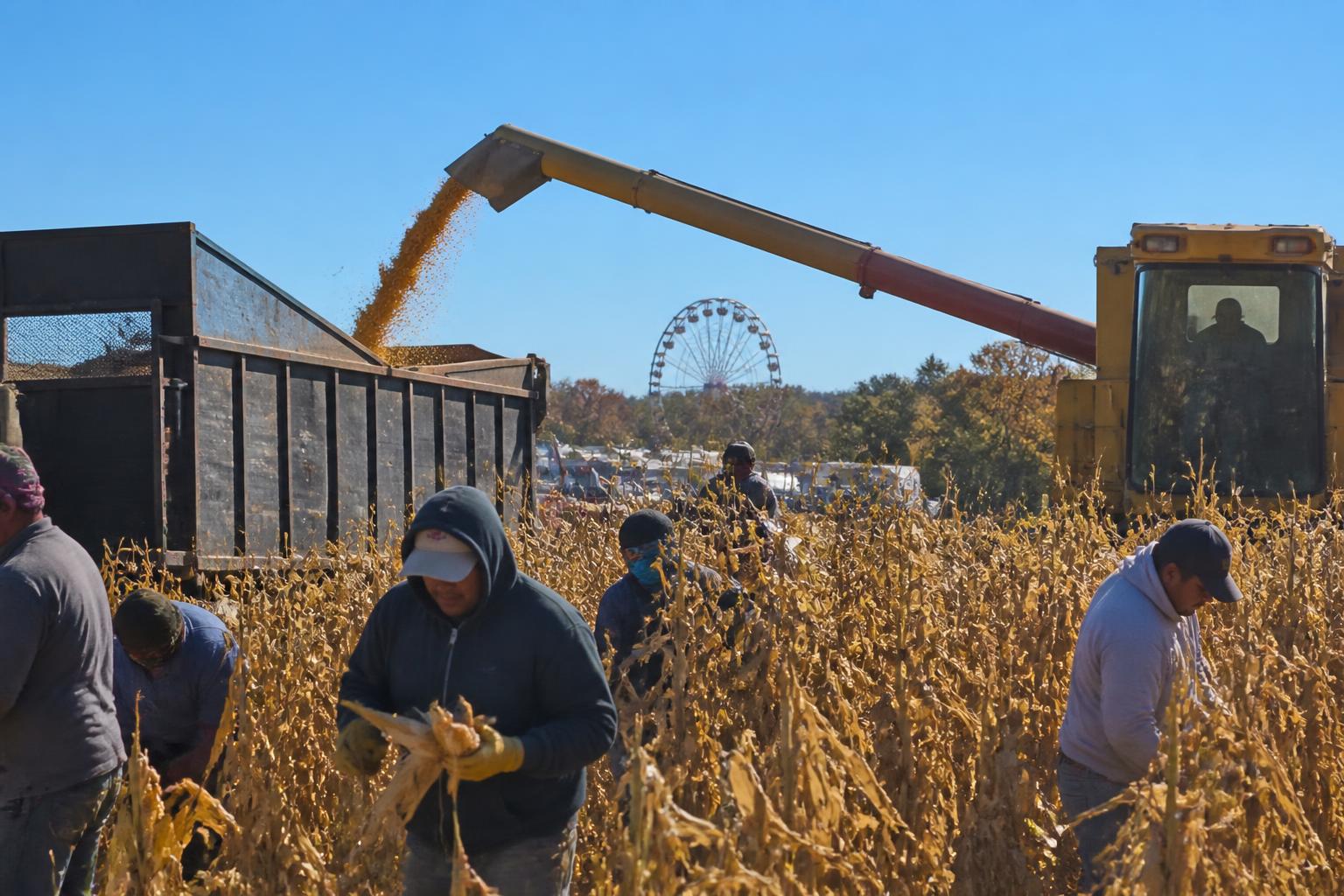
With the autumn season now in full swing, North Carolina agricultural operations are deep into the rhythm of harvest. For grain handlers and transport providers, this period represents the critical window where field timing and logistical efficiency directly impact the bottom line. Whether moving product from the coastal plains or the piedmont, producers are currently juggling the demands of clearing bins and managing potential transit delays.
Managing Field Risks and Infrastructure
Recent seasonal conditions have highlighted the ongoing need for resilient logistics. Farmers are increasingly utilizing new digital tools to monitor field conditions, particularly in areas prone to excessive moisture or flooding. Staying ahead of water-related field access issues is vital for maintaining the flow of commodities to local elevators and processing facilities. Effective logistics planning remains a priority as trucks face the usual seasonal increase in traffic near critical transit corridors.
Regulatory and Workforce Considerations
As the sector moves through peak activity, maintaining compliance with both domestic and international standards is essential. Recent industry interest has focused on the role of federal inspections and the oversight of labor practices within the state. Staying informed on the nuances of seasonal harvest logistics is particularly important for mid-to-large scale operations that rely on specialized labor cohorts to keep harvest machinery and secondary processing plants running at capacity.
Technological Integration in Modern Farming
North Carolina continues to benefit from a strong culture of agricultural innovation, from academic research at state universities to on-farm technological application. As operators manage seasonal transit and resource pressures, the integration of new software for crop monitoring and logistics tracking is helping to mitigate some of the traditional uncertainties associated with fall weather patterns.
What it means for the market
For grain handlers and agribusinesses, the immediate outlook depends on the synchronization of field access and transport capacity. As harvest progresses, market participants should remain focused on maintaining clear lines of communication between field teams, trucking partners, and terminal facilities to navigate the logistical volatility that often accompanies the fall rush.
Comments
No comments yet - be the first to share your take.