
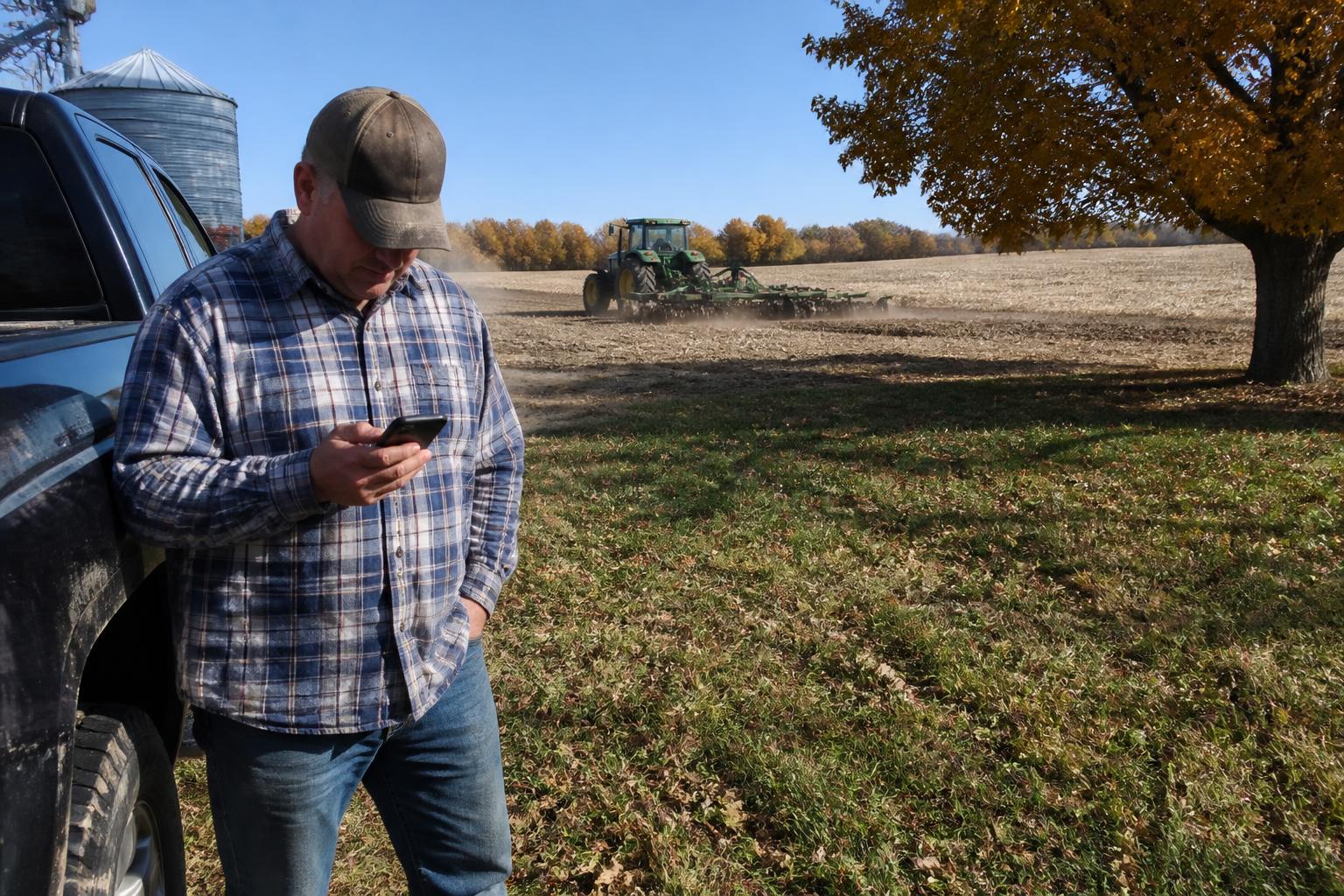
As Oklahoma farmers prepare for the upcoming fall harvest, the agricultural sector is grappling with a combination of lingering market uncertainty and the persistent squeeze of operational costs. From the wheat-rich plains of the north to the diverse ranching landscapes of the southwest, maintaining margins remains a central focus for producers, especially as fuel prices continue to impact overall logistics and transportation efficiency.
For many local operations, the current environment necessitates a rigorous approach to managing margin volatility. The challenge is amplified by a broader climate of shifting input costs, which leaves little room for error when balancing essential expenditures against the realities of fluctuating commodity prices.
Input Price Volatility and Operational Strategies
The reliance on essential inputs such as fertilizers and fuel continues to be a primary variable in producer profitability. Market watchers have noted that the ongoing uncertainty in input pricing, while not entirely new, continues to demand highly tactical procurement strategies. Some producers are increasingly exploring varied fertility options or, in the case of local graziers, utilizing no-till practices on certain pastures to potentially lower overheads and improve soil health over the long term.
Policy and Trade Context
Beyond the field, broader national dialogues are influencing local sentiments. The ongoing discussions surrounding the Farm Bill continue to draw attention as leaders in the agricultural community push for policy frameworks that offer better stability against market swings. Furthermore, the extension of trade truces continues to provide a degree of guarded optimism for export-dependent sectors, though producers are maintaining a cautious stance given the unpredictability of international market demand.
What it means for the market
Producers are encouraged to stay closely aligned with current safety net program enrollments to hedge against potential downturns. While the outlook remains cautious, proactive management of cash flow, coupled with strategic input purchasing, may help Oklahoma agribusinesses weather the current climate of economic instability throughout the fall cycle.
Comments
No comments yet - be the first to share your take.