
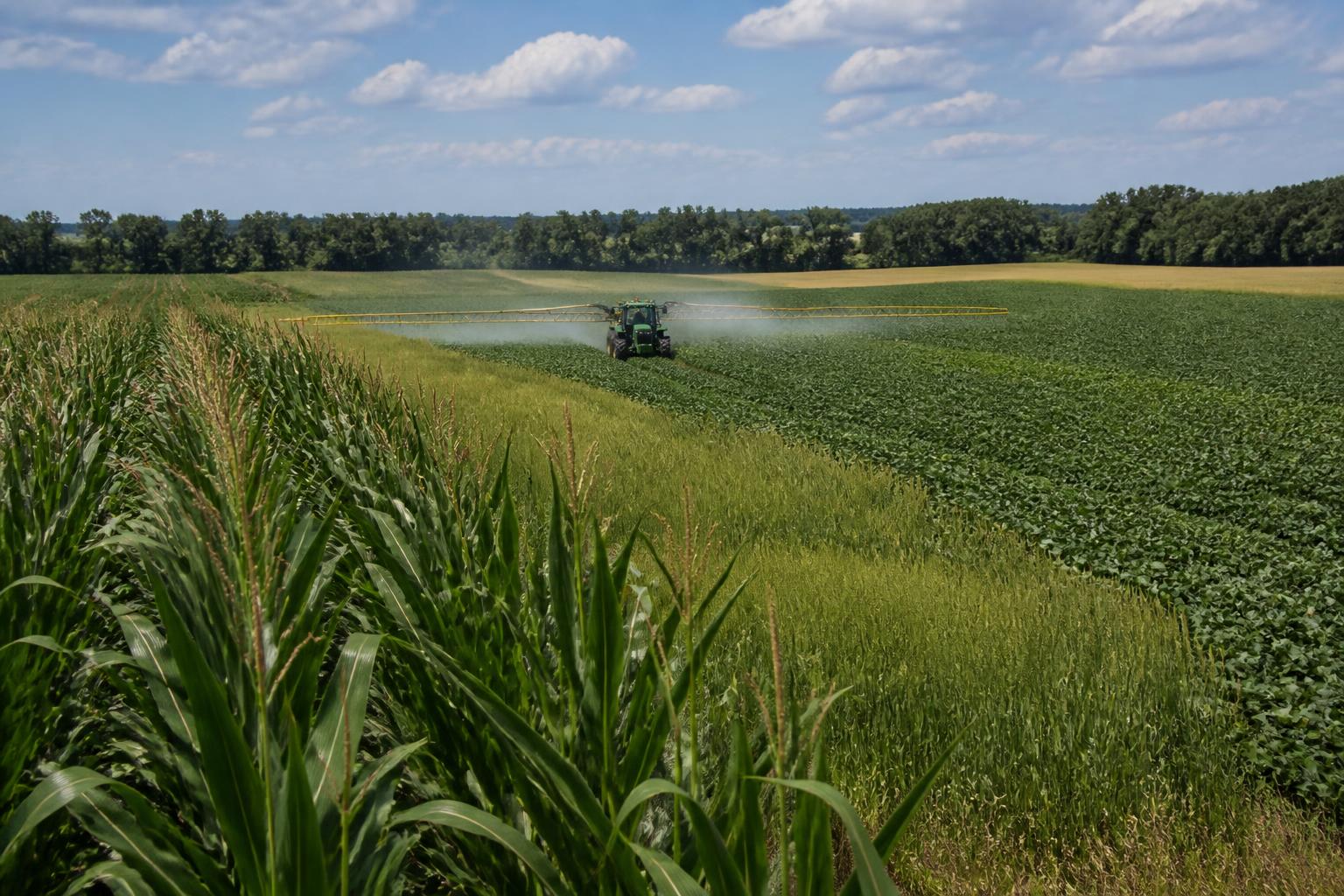
Virginia's summer growing season is shaping up to be a tale of two crops. While corn stands tall across much of the state, dry conditions have put soybean fields under notable stress. During dry spells, growers must remain vigilant as weather patterns shift. Sudden summer humidity and late-season rains can quickly create the perfect environment for yield-robbing fungal pathogens to take hold in compromised fields.
Targeting Disease in Stressed Soybeans
With soybean fields facing dry conditions across many Virginia counties, managing late-season disease risks is critical. Crop protection experts emphasize that when moisture does return, pathogens can quickly spread. To combat diseases like frogeye leaf spot, agronomy specialists recommend utilizing high-end, premium fungicides rather than cutting corners with lower-tier products. Investing in top-tier chemical controls can prevent significant yield drag and secure the beans' genetic potential.
This focus on premium, proactive inputs aligns with broader regional shifts in crop management. Farmers are increasingly adopting sophisticated strategies to handle input volatility, a topic explored in depth within our analysis of Virginia summer crop protection solutions.
New Farm-Use Vehicle Rules Impacting Logistics
Getting protection products, fertilizers, and machinery to the field also requires compliance with changing state rules. Virginia state government agencies have recently released specific guidelines for the state's new farm-use vehicle registration law. This regulatory shift directly impacts how agribusinesses and farmers move sprayers, tender trucks, and grain haulers along local corridors.
Staying compliant is essential to avoid costly roadside delays during tight application windows. For custom applicators and farmers alike, keeping up with these transport changes is a major priority for streamlining Virginia ag logistics during the busy summer haul.
Diversification and Regional Resilience
Beyond row crops, Virginia growers are increasingly exploring small grain diversification, including malting barley and bread wheat varieties suited for the state's climate. Protecting these investments, alongside the high-performing corn crops championed by record-breaking local producers, remains a top priority. Local research institutions, including Virginia Tech, continue to analyze global crop protection strategies, highlighting the economic value of halting crop destruction to protect regional food security and agricultural assets.
Key Takeaways for Virginia Growers
- Prioritize premium fungicides: High-end products offer superior control against frogeye leaf spot, protecting vulnerable soybean yields from sudden disease spikes.
- Verify vehicle compliance: Review the newly released state rules for farm-use vehicle registration to avoid transit delays on local highways.
- Monitor weather transitions: Be prepared to apply crop protection products quickly if dry summer weeks give way to sudden rainfall.
What it means for the market
For Virginia agribusinesses, the combination of dry weather and strict transport regulations means that timing is everything this summer. Protecting soybean yields will depend on the strategic use of premium fungicides and the efficient movement of application equipment. Growers who balance robust crop protection with regulatory compliance will be best positioned to protect their margins heading into the fall harvest.
Comments
No comments yet — be the first to share your take.