
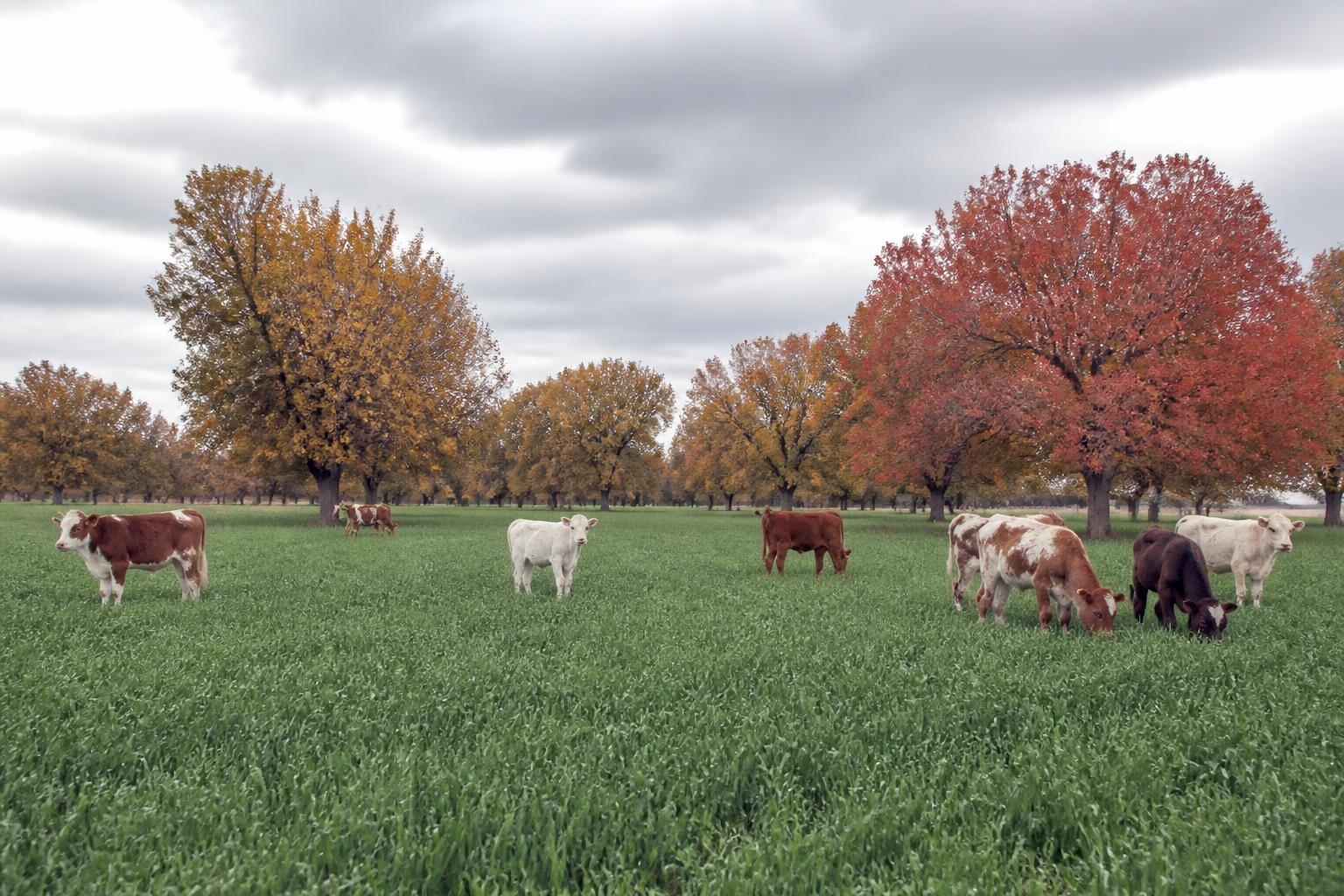
As we move deeper into the fall harvest season across New Mexico, growers are shifting their focus from soil moisture management to the critical final stages of crop protection. For the state's signature pecan industry, the current environment presents a complex set of challenges that require immediate attention to maintain yield quality and marketability.
Reports from orchard managers suggest that late-season pest pressure, particularly from the leafminer and shuckworm, is becoming a primary concern. These pests can significantly impact nut development and shuck integrity if left unmanaged during this pivotal time of year. Maintaining consistent monitoring schedules and adhering to integrated pest management (IPM) protocols remains the best defense for producers aiming to protect their bottom line before the nuts drop.
Managing Orchard Health and Resource Constraints
Beyond pest management, the broader agricultural landscape in New Mexico continues to be influenced by shifting environmental and logistical factors. While some areas have seen improved soil moisture conditions which can aid in recovery, the long-term pressure on water resources remains a topic of significant discussion for irrigation-dependent operations. Many producers are looking to recent regional grain market developments and soil management workshops to optimize their water use and input expenditures as they prepare for next season.
Logistics and Market Realities
The movement of agricultural goods in the region also remains dynamic. With recent changes in the ownership of regional grain and agricultural assets, producers should ensure their logistics plans for the fall harvest are well-coordinated. Whether you are moving pecans to local processors or managing grain stocks, having clear communication with transport providers is essential to avoid potential delays during this peak, high-traffic time of year.
Key Takeaways
- Prioritize scouting for leafminer and shuckworm to prevent late-season yield loss.
- Stay informed on regional water policy debates that may influence future irrigation practices.
- Verify your local transport and storage logistics early to avoid bottleneck issues during the height of the fall harvest.
What it means for the market: Producers should anticipate that effective pest control and optimized water management will be the primary drivers of success for the current harvest. With regional market shifts in transport infrastructure, keeping a lean, well-planned supply chain is critical to capturing the best margins as this year's crops reach the final market phase.
Comments
No comments yet - be the first to share your take.