
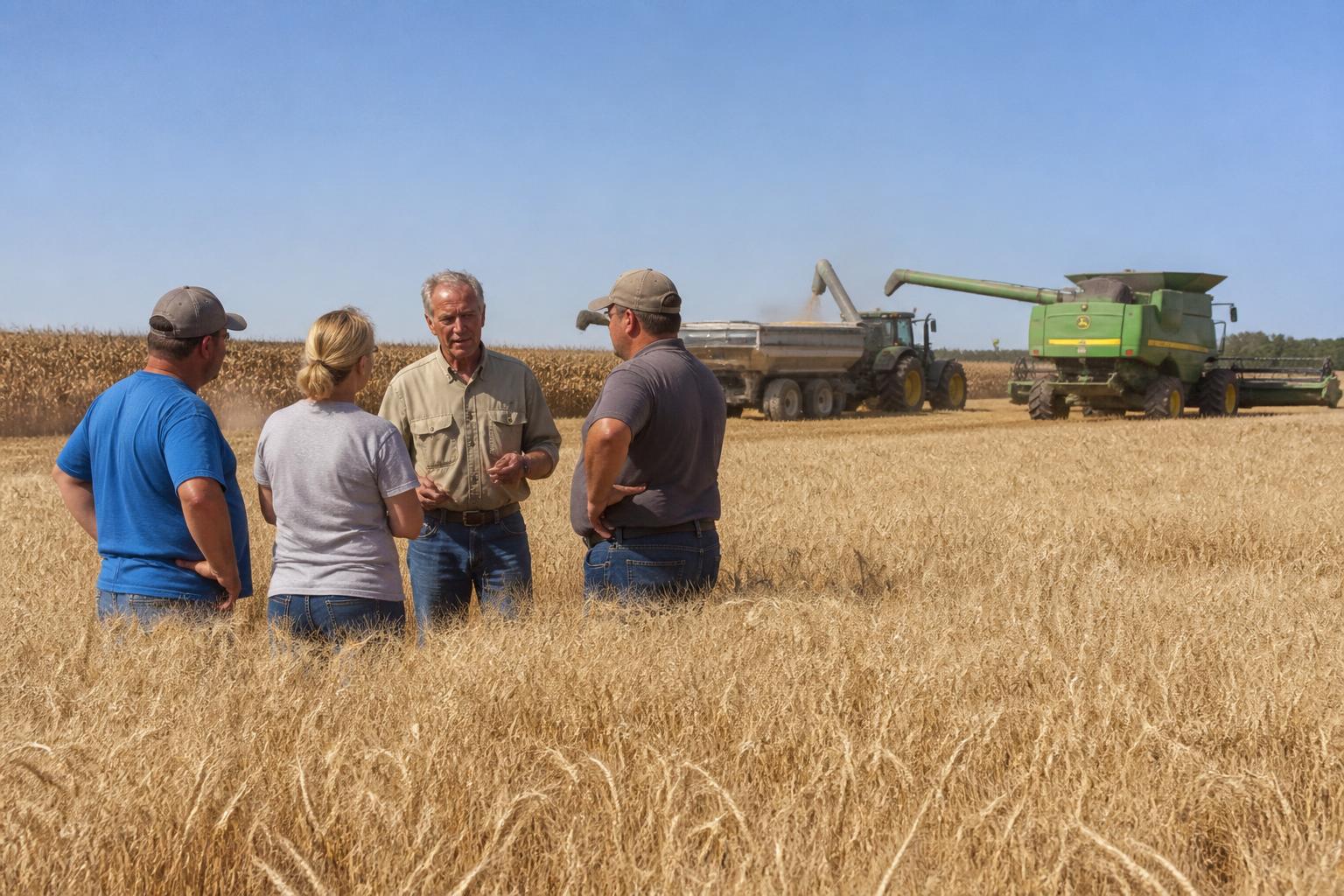
As the fall harvest season gains momentum across Kansas, producers are managing the dual challenges of operational logistics and tightening margins. With storage capacities often hitting critical levels, efficiency in moving grain from field to elevator remains a top priority for growers throughout the state. Successfully navigating these infrastructure constraints is vital for maintaining cash flow during this busy period.
Managing Input and Operational Costs
Agribusinesses across the Sunflower State are keeping a close watch on the volatility of input pricing, particularly for fuel and fertilizer. Economists often highlight that these cost shocks can create significant margin pressure, leaving many operations looking for ways to improve sustainability or leverage new logistics strategies to keep transport costs in check. The ability to source inputs competitively remains a key indicator of seasonal success for many family farms and mid-sized operations.
Collaboration and Market Connectivity
Kansas agriculture continues to rely on tight-knit networks to bridge gaps in the supply chain. Whether it is regional collaboration among growers or utilizing updated transportation corridors, the state is prioritizing resilience. As harvest progresses, market participants are also monitoring how policy shifts, such as property tax discussions or trade-related tariff adjustments, might influence the long-term economic landscape for local producers.
What it means for the market
For grain handlers and farmers, the current market environment demands a proactive approach to risk management. Prioritizing space in local elevators and securing fuel supplies early may mitigate some of the seasonal volatility. As we move deeper into the fall, those who can balance immediate storage needs with long-term financial planning will be better positioned to weather the current price and cost fluctuations.
Comments
No comments yet - be the first to share your take.