
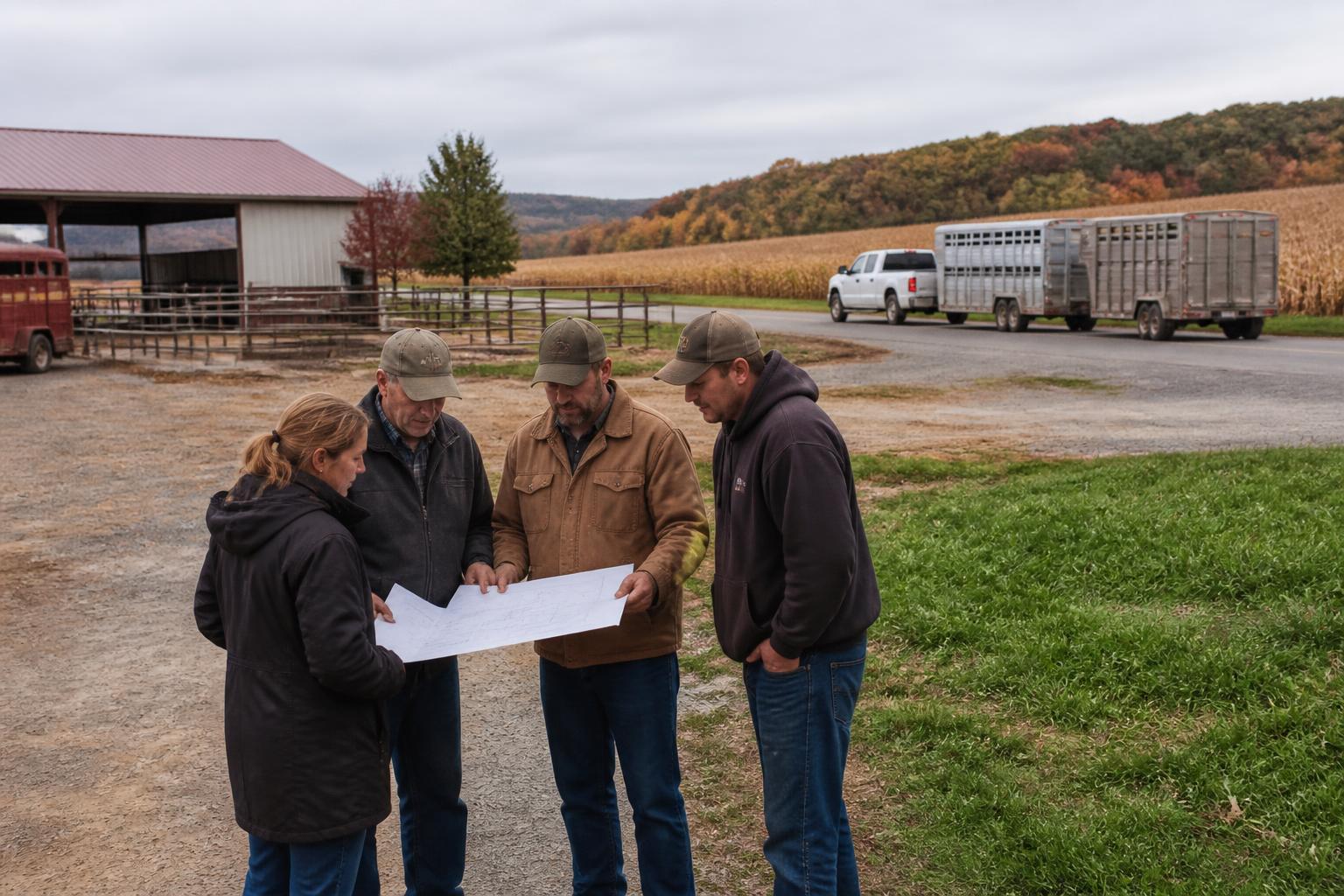
As we move deeper into the fall harvest season in New York, the intersection of operational efficiency and rising external costs remains at the forefront of local agricultural management. Producers from the Hudson Valley to the Western Finger Lakes are currently balancing the demands of field work with the ongoing need to monitor supply chain pressures that directly influence the bottom line.
For many farm businesses, the navigating of fall logistics is not just about moving yield; it involves managing the tight margins created by fluctuating energy prices and the persistent cost of essential inputs like fertilizer. Ensuring that transport routes remain clear and that equipment is optimized for the current harvest window is essential as regional infrastructure experiences the typical seasonal spike in traffic.
Input Costs and Operational Realities
The broader economic environment continues to challenge New York agribusinesses. While global factors like geopolitical conflict often influence the price of fuel and nitrogen-based fertilizers, the impact is felt locally at the farm gate. Many producers are exploring long-term strategies, such as diversifying nutrient management or investing in modern infrastructure, to mitigate these volatile expenses. Recently, state-level initiatives, including dairy modernization grants, have provided some relief, yet the need for disciplined cost control remains a daily requirement for operations of all sizes.
Logistics and Regulatory Compliance
Beyond crop management, the regional transportation network is a critical component of the harvest season. Maintaining awareness of local, state, and federal regulations regarding the movement of livestock and commodities is vital. Recent enforcement actions regarding the illegal transportation of livestock serve as a reminder that transparency and adherence to safety standards are not only legal obligations but are necessary to protect the integrity of the state's broader agricultural reputation.
What it means for the market
For the remainder of the harvest period, producers and agribusinesses should prioritize predictive maintenance and route planning to offset potential transportation delays. By staying closely aligned with regional logistics updates and leveraging available grants or programs for modernization, stakeholders can better protect their margins despite the ongoing pressures of energy costs and logistical congestion.
Comments
No comments yet - be the first to share your take.