
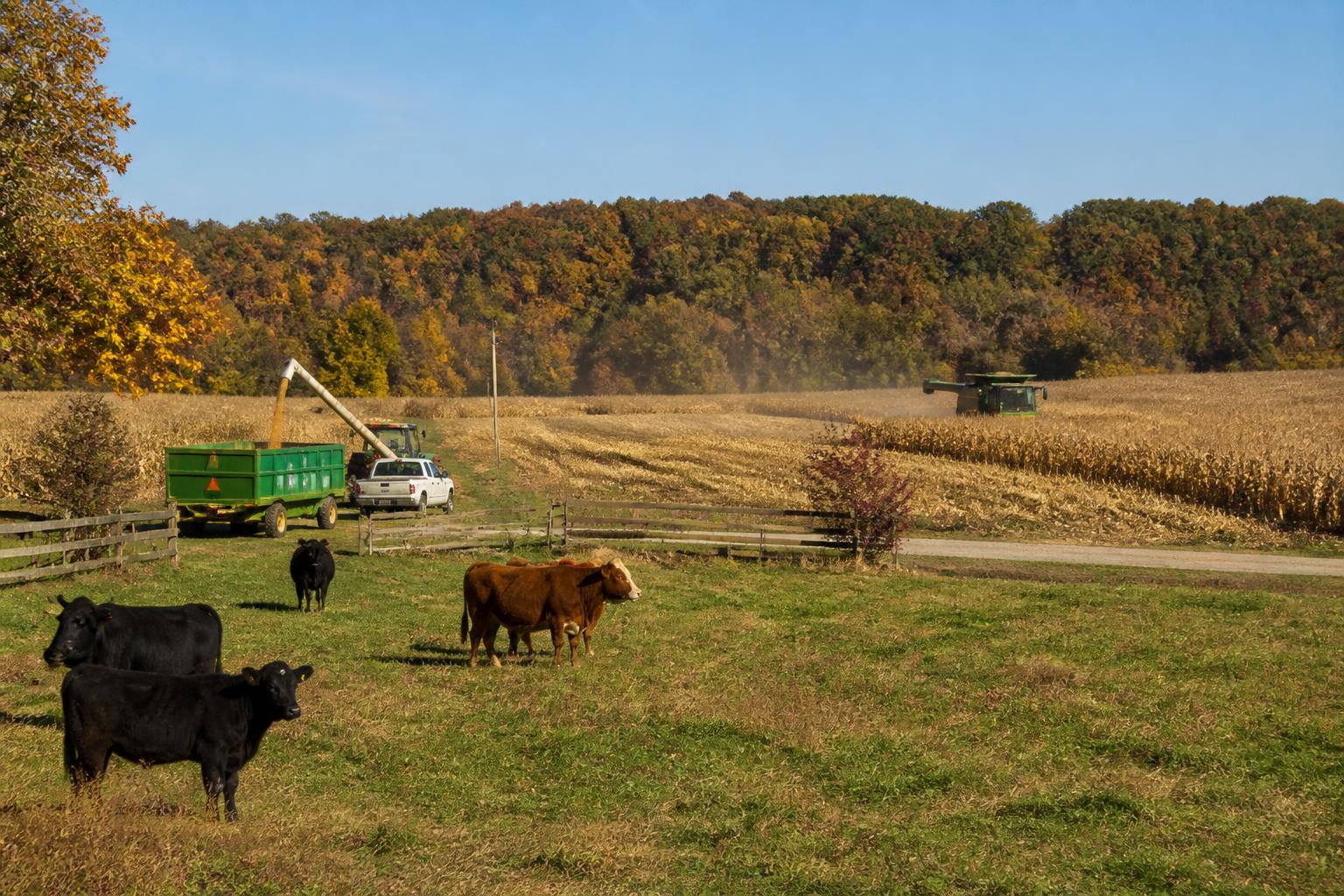
As the fall harvest progresses across Missouri, producers are navigating a complex market landscape marked by shifting commodity price expectations. While field work continues in key production regions, agricultural economists are cautioning that the broader sector may face headwinds as market valuations move through the remainder of the year.
Keeping a pulse on local grain buyers and market fluctuations remains essential for Missouri agribusinesses. Decisions regarding storage and sales timing often become more challenging when commodity outlooks suggest further softening. For many local operations, balancing these immediate financial pressures with long-term input strategies—including fertilizer procurement and equipment maintenance—is critical for navigating thin margins.
Managing Production Costs in a Volatile Environment
Beyond current grain prices, input costs remain a primary concern for the upcoming cycle. Farmers are increasingly focused on optimizing their investments as they prepare fields for the next season. The interplay between historical input expenditures and fluctuating market revenue continues to drive discussions among producers regarding the sustainability of current cropping strategies.
For those managing storage or looking to optimize logistics, the current season often highlights the importance of efficiency. Maintaining effective fall soil management and preparation can help mitigate some of the uncertainties associated with next year's potential production challenges.
What it means for the market
The overarching trend for Missouri agriculture points toward a period of adjustment. With economists signaling that commodities may lose ground, the focus for the remainder of the harvest season will likely center on cost-containment and strategic asset management. Producers are encouraged to monitor local basis levels and maintain tight communication with their grain handlers to navigate the shifting market environment effectively.
Comments
No comments yet - be the first to share your take.