
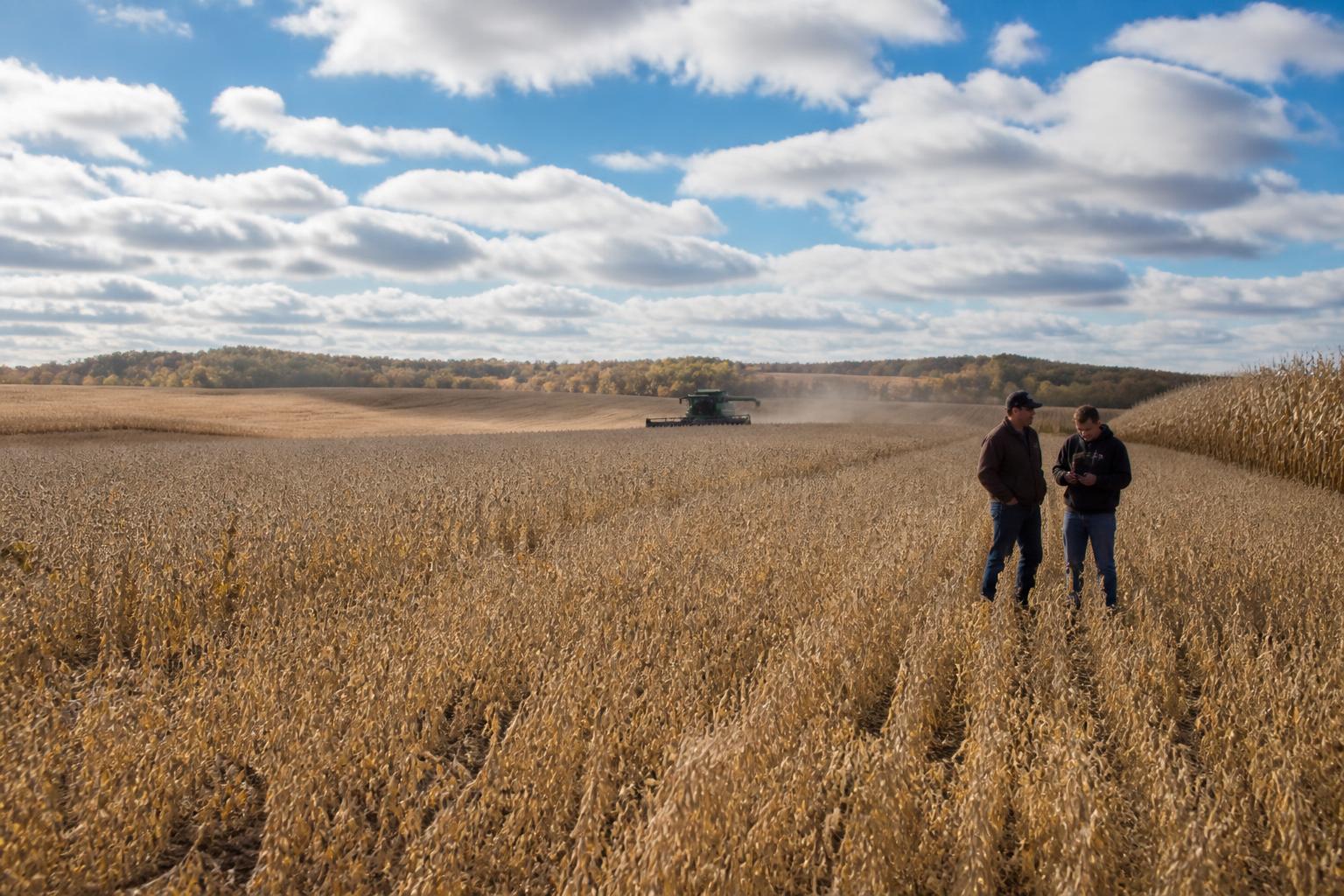
With the peak of the fall harvest underway across Minnesota, regional elevators and transportation networks are shifting into high gear. As producers in the state's prime agricultural regions work through their fields, the intersection of record-yielding potential and shifting market complexities remains a primary focus for the entire supply chain. Managing the flow of grain from the combine to local storage or terminal points requires careful coordination to mitigate the typical seasonal bottlenecks that emerge during this window.
For many agribusinesses, the current environment necessitates a proactive approach to risk management. Growers are increasingly looking at logistical adjustments during peak harvest, weighing the immediate demands of field operations against the pressures of storage capacity and transport availability. In some parts of the state, managing internal grain movement effectively can make a significant difference in maintaining operational margins, especially when local infrastructure faces increased activity.
Adapting to Market Volatility
The broader economic context continues to influence on-farm decision-making. As the sector grapples with reduced profitability trends noted earlier in 2025, many operations are tightening their marketing strategies. This environment often brings increased attention to regional grain market fluctuations, where seasonal headwinds continue to impact local pricing and basis levels. Staying informed on these trends allows farmers to better anticipate how regional export demands may influence their local delivery points.
Input and Infrastructure Outlook
Beyond the immediate harvest, regional planning for upcoming seasons remains vital. Discussions regarding infrastructure investment and sustainable fuel initiatives are gaining traction in Minnesota. As stakeholders evaluate their long-term supply chain resilience, understanding the evolving state budget priorities and regional sustainability goals is becoming essential for those involved in fertilizer procurement and large-scale logistics.
What it means for the market
Farmers and logistics providers should prepare for sustained pressure on regional transport corridors throughout the remainder of the fall. By prioritizing efficient storage utilization and closely monitoring local basis shifts, stakeholders can better navigate the complexities of this year's harvest season and position themselves for more stable outcomes in the coming months.
Comments
No comments yet - be the first to share your take.