
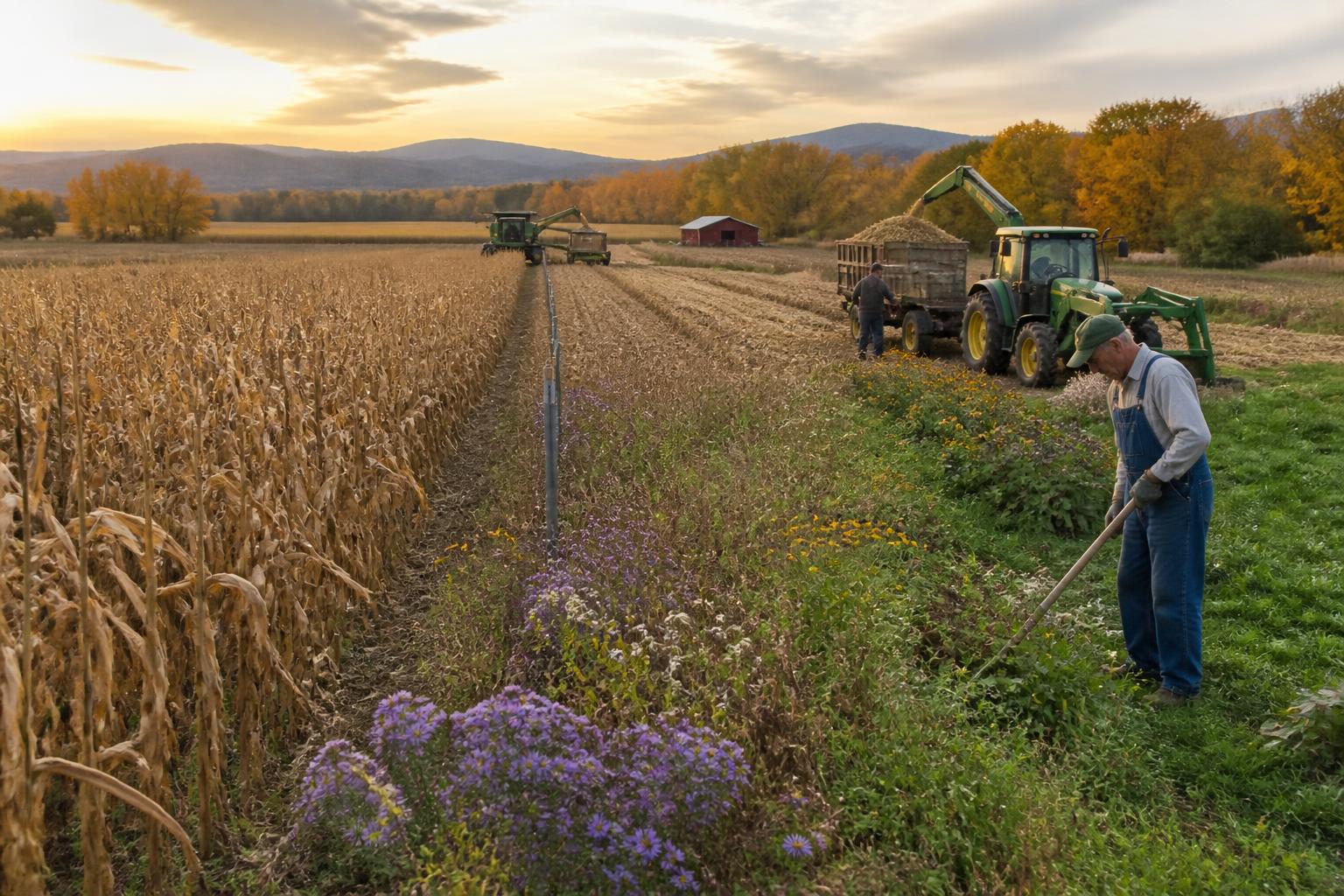
As Colorado producers head into the fall season, the focus shifts toward optimizing harvest logistics and managing the financial pressures that continue to impact agricultural bottom lines. With the industry facing sustained volatility, maintaining operational efficiency on the farm and within the transport chain is essential for navigating the current, complex market environment.
Conservation and Operational Resilience
Statewide initiatives have recently directed millions toward farm conservation, offering a potential cushion for producers looking to modernize infrastructure or adopt sustainable practices. These programs may serve as a vital support mechanism for those balancing high fuel prices with the need for equipment maintenance. For many, these funding avenues are becoming a strategic piece of the puzzle in refining soil nutrient and logistics management before field conditions shift completely.
Monitoring Supply Chain and Energy Constraints
Logistical pressures remain top of mind for Colorado agribusinesses. The cost of fuel continues to exert significant pressure on transport, affecting everything from grain movement to input delivery. As harvest windows fluctuate, securing reliable transport for both incoming inputs and outgoing yield is a priority. For grain handlers, staying attuned to local cash bids is key to timing sales effectively when market fluctuations create volatility. Meanwhile, addressing post-harvest pipeline efficiencies continues to be a standard best practice for regional operations looking to mitigate downtime.
Key Takeaways for Producers
- Leverage state conservation grants to offset potential infrastructure upgrade costs.
- Monitor fuel-sensitive transport routes and account for energy-related overhead in seasonal budgeting.
- Stay connected with local grain co-ops and market monitors to navigate regional cash bid variations.
What it means for the market: The Colorado agricultural sector is entering a period of necessary adaptation, where efficiency in the supply chain is as important as yield management. By prioritizing cost-effective logistics and tapping into available conservation support, agribusinesses can better position themselves to withstand broader energy and supply chain challenges this fall.
Comments
No comments yet - be the first to share your take.