
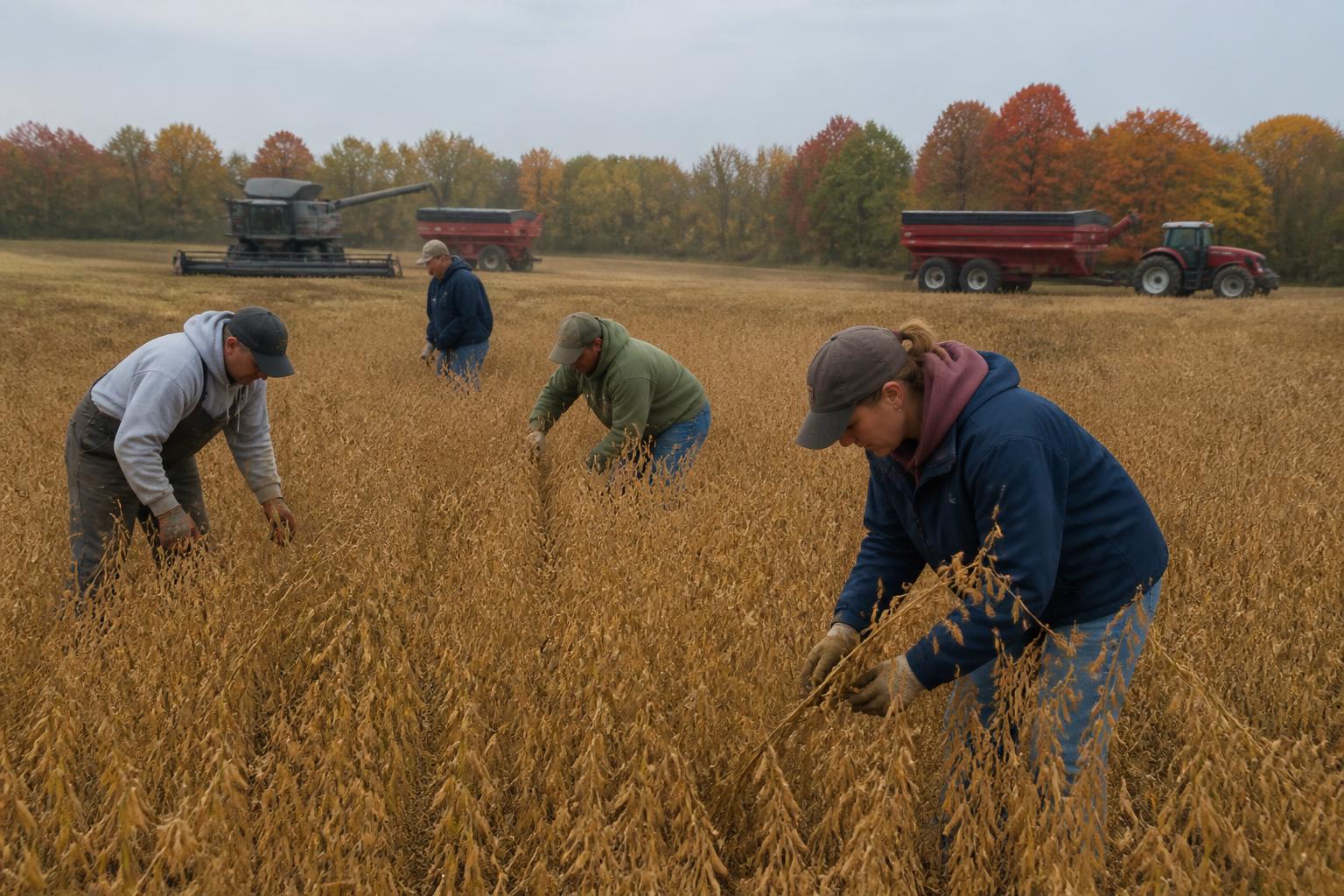
As the fall harvest gains momentum across Washington, farmers are navigating an increasingly complex economic landscape. Beyond the typical seasonal challenges of moving product from field to facility, producers are encountering significant pressure from rising input expenses, particularly concerning fertilizers and pest control, which continue to strain operational margins across the state.
The financial impact of these costs is a frequent topic of concern in agricultural communities, from the fertile corridors of the Yakima Valley to the sprawling acreage in eastern counties. Many producers are reporting that the elevated price point for nitrogen and phosphate-based fertilizers, influenced by global trade policies and ongoing supply chain complications, is significantly inflating the cost of production per acre.
Navigating Logistics and Regulatory Hurdles
For grain handlers and transport carriers, this season brings its own set of logistical considerations. With harvest volumes peaking, efficient movement of crops through regional infrastructure remains vital. Managing Washington growers' logistics and input market dynamics is increasingly dependent on balancing these high operational costs with the realities of local transport bottlenecks.
Furthermore, the broader economic context—including trade discussions that could impact the export of U.S. commodities—creates a climate of uncertainty. For growers, this means keeping a close watch on how logistics and cost pressures this fall may dictate future planting strategies or the selection of crop varieties to hedge against market volatility.
Input Stability and Future Outlook
The push for a more predictable cost environment for fertilizers remains a priority for various agricultural groups, who continue to advocate for policy adjustments to mitigate the impact of import duties. As producers assess their bottom lines, there is a clear recognition that stabilizing these input costs is essential for maintaining the competitive edge of Washington agriculture. Meanwhile, the sector remains sensitive to research funding trends, which many stakeholders argue are critical for sustaining long-term innovation and productivity in the face of these headwinds.
What it means for the market: Farmers and agribusinesses should prepare for sustained price volatility in input markets through the end of the year. With fertilizer costs and supply chain uncertainties impacting cash flow, prioritizing liquidity and early procurement planning may be necessary to navigate the current season and upcoming spring cycles effectively.
Comments
No comments yet - be the first to share your take.