
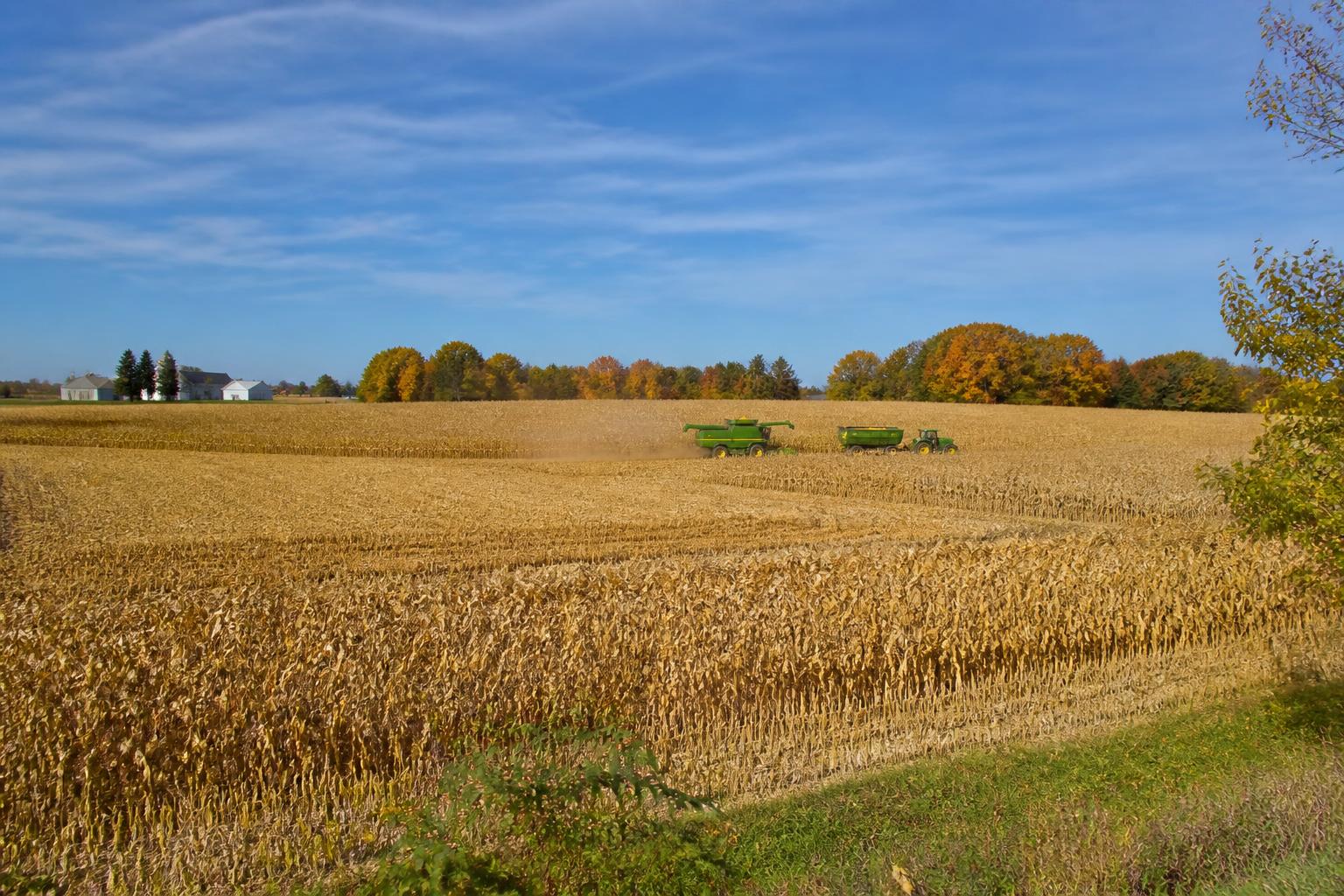
As the fall harvest window hits its stride across New York, producers from the Hudson Valley to the Finger Lakes are balancing seasonal labor demands with an increasingly complex regulatory environment. With fieldwork in full swing, managing the movement of commodities and equipment requires heightened attention to compliance, particularly as law enforcement intensifies scrutiny on transport logistics.
Recent reports of state-level investigations into the illegal transport of livestock serve as a stark reminder for agribusinesses to audit their supply chain partners and internal hauling practices. Ensuring that all transit manifests and animal welfare protocols are current is critical for farmers moving cattle or horses during the busy autumn period. Avoiding these logistical pitfalls is essential to maintaining operations during the peak New York harvest logistics cycle.
Regulatory Pressures on Workforce and Transport
Beyond traditional freight, agricultural employers are grappling with evolving rules that impact the daily commute and hauling capacity. Federal guidance from the FMCSA has introduced complications for some H-2A workers attempting to secure commercial driver licenses, a development that could ripple through grain operations and produce distribution as the season advances. For many, this adds another layer of uncertainty to an already tight labor market where experienced help is hard to retain.
Managing Input and Market Volatility
While logistical challenges dominate the headlines, the broader market outlook remains cautious. Farmers are monitoring shifting trade policies and their potential impact on beef demand, while simultaneously looking toward next season's input costs. With energy markets often dictating the price of essential inputs like nitrogen fertilizers, keeping a close watch on regional supply availability is a recurring necessity for New York growers planning for the next planting window.
What it means for the market
For the New York agribusiness sector, this fall is defined by a need for heightened operational discipline. Whether moving livestock, grain, or specialized equipment, operators should prioritize rigorous documentation and compliance. By staying proactive regarding federal transport mandates and vetting logistics partners, producers can better insulate their operations from unexpected regulatory disruptions during the most profitable weeks of the year.
Comments
No comments yet - be the first to share your take.