
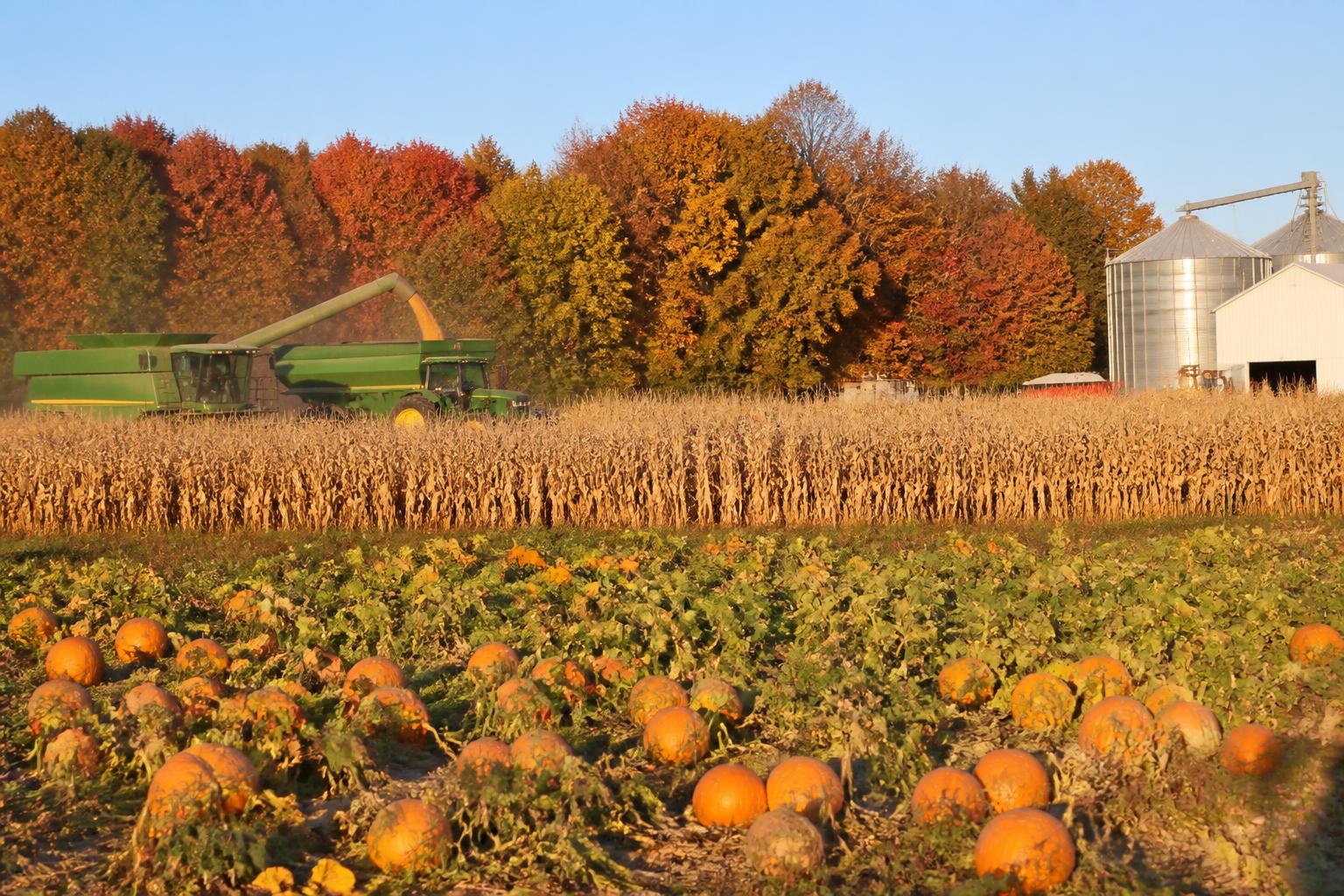
As the fall harvest accelerates across North Carolina, the interplay between regional logistics and crop movement becomes increasingly critical. From the Blacklands to the coastal plains, farmers and agribusinesses are navigating a busy season where precision in transport is as vital as the harvest yield itself. For those coordinating the movement of grain and livestock, staying ahead of local route changes is a top priority to minimize idle time.
Adapting to Rural Infrastructure Changes
Localized adjustments to road infrastructure often ripple through the agricultural supply chain. For instance, recent developments in Duplin County, such as the implementation of new all-way stops, serve as a reminder for logistics managers to re-evaluate preferred trucking routes. Even minor changes in traffic patterns can influence transit times for heavy vehicles hauling grain from fields to local elevators or processing facilities. Being aware of these shifts in North Carolina's rural transport network can help operators adjust schedules and avoid potential bottlenecks during peak hours.
Resilience Through Regional Diversity
North Carolina's unique agricultural footprint relies on the resilience provided by its vast range of crops and geographies. This diversity acts as a buffer against regionalized supply chain pressures. While some areas face heightened seasonal demand, the ability to source inputs and move product through established regional corridors remains a strength. Producers who utilize data-driven logistics, including advanced routing tools and real-time traffic monitoring, are finding ways to mitigate the common pressures of a busy harvest season.
What it means for the market
For the North Carolina agribusiness sector, the current environment emphasizes the value of flexible logistics. Whether it is responding to infrastructure updates or managing the timing of crop movement, the ability to pivot transit plans remains essential. Producers who maintain close communication with their logistics partners and stay updated on local transit alerts are better positioned to protect their margins as they move the season's production to market.
Comments
No comments yet - be the first to share your take.