
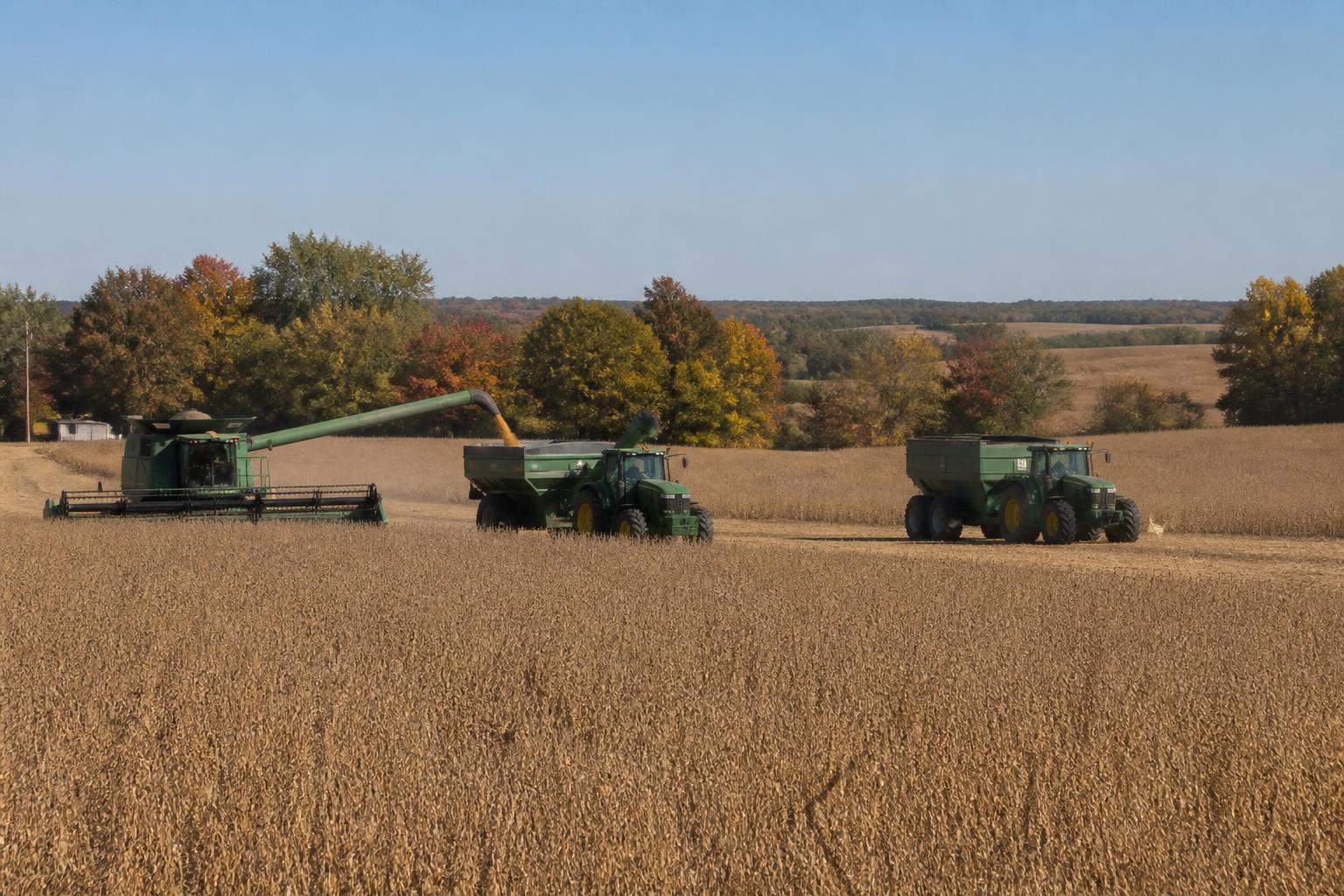
The Kansas agricultural landscape is currently navigating a period of transition as producers balance the demands of the fall harvest against a backdrop of shifting industry partnerships and localized environmental challenges. Farmers across the state are assessing their fields following reports of earlier season freeze damage and moisture stress, which have influenced yield expectations in various regions.
For many operators, managing infrastructure constraints remains a top priority during this high-traffic season. The recent announcement that CHS and MKC have mutually agreed to end their grain marketing venture marks a significant adjustment for those relying on these service channels, prompting grain handlers and producers to re-evaluate their storage and delivery strategies as they move their crop to market.
Evaluating Regional Crop Performance
While reports from some southeast Kansas counties have indicated positive results with summer rainfall boosting corn yields, the broader state picture remains varied. Producers are keeping a close eye on field performance as they move through the final stages of the season. The diversity in soil conditions and localized weather impacts—from potential salt stress to early heat—continues to remind producers of the importance of precise field management and adaptive input strategies.
Logistics and Market Resilience
As the season progresses, efficiency in transport and elevator throughput becomes increasingly critical. Whether navigating local road restrictions or coordinating with regional grain terminals, stakeholders are prioritizing reliability to maintain margins. The consolidation of certain service firms and the evolution of marketing partnerships suggest that growers who maintain strong communication with their logistics partners and elevator managers will be best positioned to mitigate potential disruptions.
What it means for the market: Producers should anticipate localized volatility in grain basis and logistics lead times as the industry adjusts to recent changes in marketing structures. Maintaining a proactive approach to inventory management and staying informed on regional infrastructure capacity will be essential for navigating the remainder of the harvest period successfully.
Comments
No comments yet - be the first to share your take.