
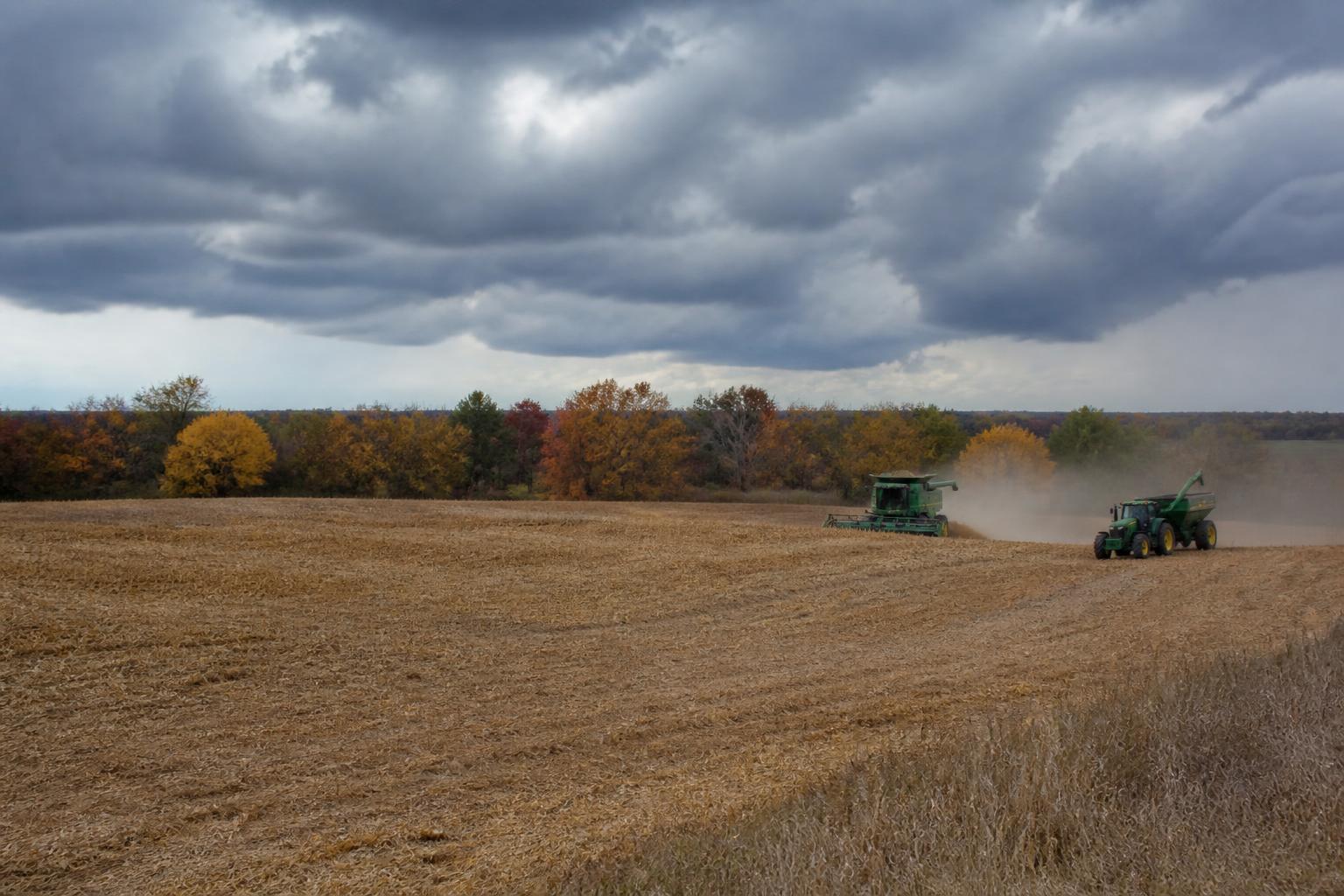
The Current Grain Supply Reality
As we move deeper into the fall season, many Kansas producers find themselves in a unique market position. While commodity prices have shown recent strength, much of the previous season's production has already moved through local elevators and processing channels. For those still holding onto grain, the decision to sell remains complicated by localized basis levels and shifting regional demand.
Understanding these supply constraints is critical for those managing their bottom line during the harvest transition. As producers assess their remaining wheat and grain inventory, the focus has shifted toward balancing storage capacity with the risks of waiting for potentially higher future pricing in a volatile global market.
Infrastructure and Logistics Pressures
The movement of grain across the plains remains sensitive to logistical bottlenecks. With ongoing concerns regarding rail consolidation and fuel price fluctuations, regional operators are keeping a close watch on shipping costs. The ability to move product efficiently from high-plains storage to major terminals or port gateways is often a deciding factor in overall profitability.
In many parts of the state, particularly along the main rail corridors and heavy-haul highway routes, local grain handlers are prioritizing volume management. Ensuring timely transport requires proactive communication with carriers to mitigate the impact of rising fuel costs on margins, as supply chain fluidity remains an ongoing challenge for the Midwest agricultural sector.
Operational Resilience Amid Uncertainty
Beyond the markets, Kansas agribusinesses are navigating a period of broader environmental and operational concern. Widespread reports of drought conditions in select regions are already beginning to influence planning for the next planting cycle. Farmers are increasingly adopting diversified management models to protect their operations against both extreme weather and economic volatility, focusing on niche markets and operational efficiency to maintain a competitive edge.
What it means for the market: Producers and handlers should emphasize flexibility this season. With grain stocks lower than historical averages and transportation costs remaining elevated, local market participants may benefit from closer coordination with rail partners and a cautious, data-driven approach to forward contracting. Staying informed about regional supply fluctuations will be key to managing the final weeks of the harvest window.
Comments
No comments yet - be the first to share your take.