
Summer in Oregon brings peak activity across the state's diverse agricultural sectors, from the intensive nurseries of the Willamette Valley to the specialty seed and vegetable fields of the Pacific Northwest. Managing pests, protecting valuable pollinators, and securing livestock against biological threats remain top priorities for local operations. Navigating these overlapping demands requires a highly coordinated approach to integrated pest management (IPM) and strict biosecurity protocols.
For growers aiming to maximize yields and protect sensitive ecosystems, staying aligned with updated Oregon summer crop protection strategies is essential. This season, industry experts and university extension services are emphasizing structured strategic plans to help operations manage risks while maintaining market access and organic integrity.
Refining IPM and Pollinator Protocols in Specialty Crops
Oregon's specialty crop sector relies heavily on precise pest management. The Oregon State University (OSU) Extension Service has highlighted targeted strategic plans, including updated IPM guidelines specifically designed for Oregon nurseries and fresh market brassicas in Northwest Oregon and Southwest Washington. These frameworks help growers target pests with minimal chemical disruptions, which is crucial for preserving beneficial insect populations.
Pollinator safety is another critical focus area this summer. OSU Extension has emphasized bee protection protocols for Western specialty seed crops. These guidelines provide practical steps for timing pesticide applications and selecting products that minimize risks to native bees and managed honeybees, ensuring the long-term viability of Oregon's valuable seed production fields.
Livestock Biosecurity and Organic Integrity Challenges
On the livestock side, biosecurity remains a critical focus as the region deals with the ongoing threat of Highly Pathogenic Avian Influenza (HPAI). Oregon has seen significant impacts from the virus, with approximately 790,000 birds culled to prevent further spread. Poultry operations across the state are urged to maintain strict sanitation, limit visitor access, and secure feed supplies from wild bird contact.
Meanwhile, for organic producers navigating complex input choices, the Organic Materials Review Institute (OMRI) continues to serve as a vital resource. By certifying which pest control products and soil amendments comply with national organic standards, OMRI helps Oregon growers maintain compliance and avoid costly certification issues in a demanding market.
Innovative Ag Technology and Field Solutions
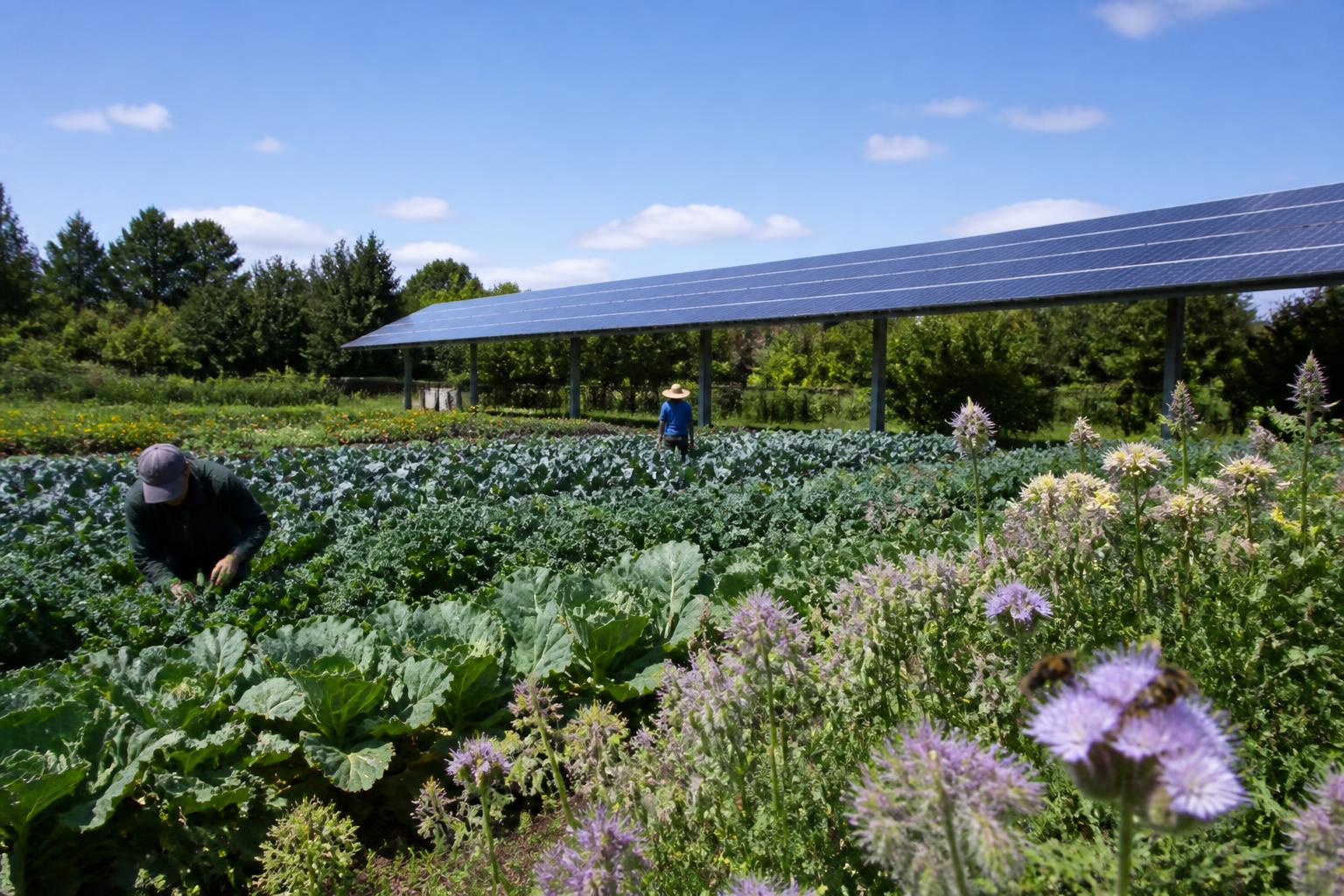
Looking ahead, Oregon agriculture is increasingly embracing cutting-edge field research. From agrivoltaics projects that pair solar power generation with active crop production to investments in advanced research facilities, regional stakeholders are exploring new ways to buffer crops from extreme weather and environmental stress. In some areas, growers have even utilized anti-frost fans to protect high-value crops like blueberries, though such mechanical interventions occasionally require balancing field protection with local community considerations.
While grain producers watch the broader regional grain market trends for pricing signals, the day-to-day focus for most diverse operations remains firmly rooted in crop safety, weed control, and biological defense.
Key Takeaways for Oregon Growers
- Follow Targeted IPM Plans: Use the specific strategic plans developed for nurseries and fresh market brassicas to optimize chemical applications.
- Protect Pollinators: Implement established bee protection protocols, particularly when managing Western specialty seed crops during peak summer blooms.
- Enhance Poultry Biosecurity: Maintain high alert and strict containment measures to protect flocks against HPAI.
- Verify Inputs: Utilize OMRI listings to ensure organic compliance for all summer pest control and fertility inputs.
What it means for the market
Oregon's agricultural economy relies heavily on maintaining a reputation for high-quality, sustainable production. By adopting systematic IPM guidelines and rigid biosecurity practices, growers protect not only their immediate seasonal yields but also their long-term viability in domestic and export markets. As regulatory and environmental pressures mount, the integration of advanced research, standardized organic inputs, and pollinator-safe practices will continue to define market competitiveness for Oregon's diverse agricultural commodities.
Comments
No comments yet - be the first to share your take.