
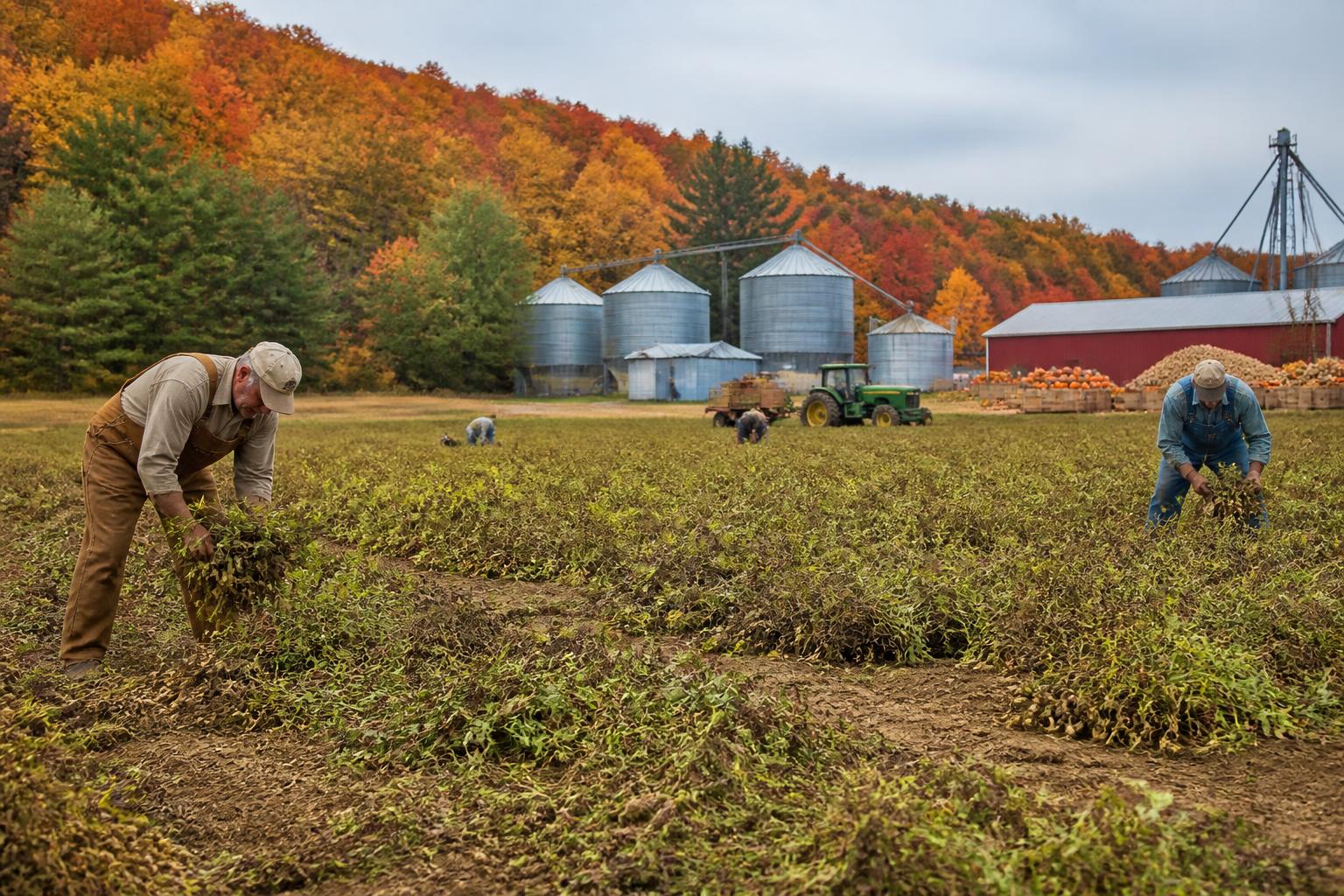
As harvest activity accelerates across Southwest Virginia this fall, producers and grain handlers are closely monitoring local infrastructure updates that could reshape regional supply chains. The introduction of initiatives such as Project Calypso is expected to offer farmers new windows for grain transport and storage, potentially alleviating some of the long-standing bottlenecks that have historically challenged localized logistics in the region.
Expanding Logistical Horizons
The agricultural landscape in Virginia is evolving, and for those managing grain flow, regional development remains a critical piece of the puzzle. Efficiency in managing export flow and capacity often determines profitability during the high-pressure harvest months. By diversifying transport options, grain handlers in the southwestern part of the state may find more flexibility in how they move crops to market, reducing reliance on single-route corridors that have become increasingly congested during peak seasonal activity.
Preparing for Market Shifts
For grain operations, the transition into the fourth quarter requires a careful balancing act of monitoring storage capacity and securing reliable transport. While the regional market in Virginia has faced pressure from broader trade and logistics uncertainty, localized infrastructure improvements can provide a buffer. Growers who stay informed on regional capacity updates and maintain close communication with their local elevators are better positioned to respond to market fluctuations as they materialize.
Key Takeaways
- New infrastructure projects are diversifying transport options for grain in Southwest Virginia.
- Fall harvest logistics demand a proactive approach to storage and movement.
- Producers should monitor regional capacity shifts to capitalize on changing logistical pathways.
What it means for the market: These developments signify a shift toward increased regional self-sufficiency for grain handlers. As competition for transport capacity remains fierce across the state, even modest improvements in local infrastructure can yield significant benefits for farmers seeking to lower their basis and optimize their operational output this season.
Comments
No comments yet - be the first to share your take.