
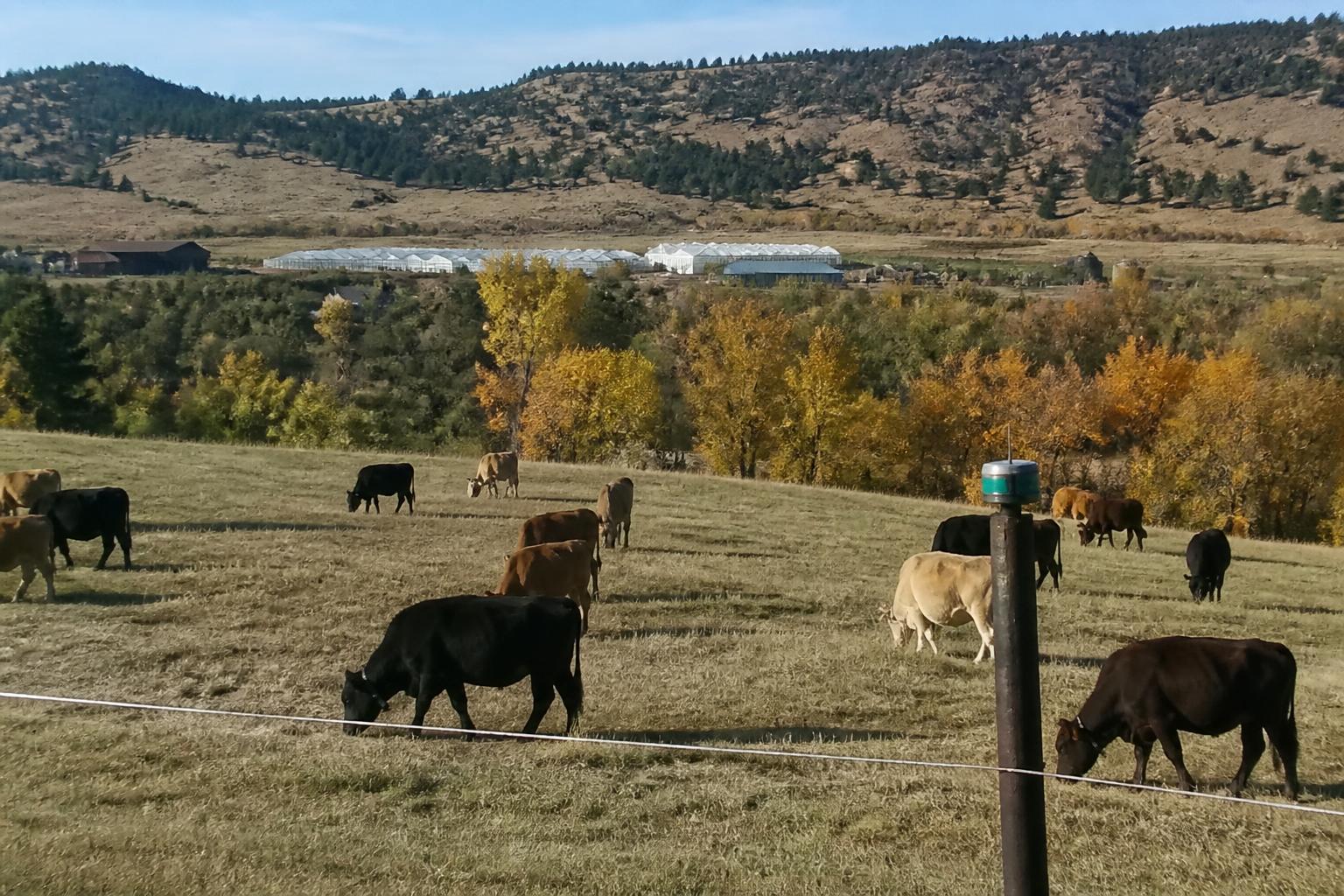
Wyoming producers are increasingly exploring modern operational frameworks to navigate the unique challenges of the state's rugged landscape. As we move deeper into the fall season, the focus on long-term sustainability and resource management remains a central theme for those managing both private and public range operations.
Recent advancements in technology are playing a more prominent role in how land is utilized across the state. A notable development involves the expansion of virtual fencing partnerships, which can offer producers improved flexibility when managing livestock on public grazing allotments. By integrating such tools, ranchers may find it easier to implement rotational grazing strategies that support land health while balancing the logistical hurdles of high-altitude livestock management. You can read more about how Wyoming producers eye long-term resilience as fall harvest approaches as they adapt to these changing operational requirements.
Expanding Horizons in Local Production
Beyond traditional ranching, Wyoming is seeing a diversification in agricultural output. The establishment of indoor farming facilities, such as those recently highlighted in Pinedale, suggests that producers are looking for ways to extend growing seasons despite the state's challenging climate. This trend toward controlled-environment agriculture represents a shift in how local markets might source fresh produce year-round, potentially reducing reliance on long-distance logistics during the colder months.
Operational resilience is further bolstered by sustained institutional support. Significant philanthropic contributions aimed at the future of ranching underscore a broader commitment to maintaining the viability of the state's heritage industries. As these projects take root, producers must continue to navigate shifting regulatory and operational landscapes to ensure long-term stability.
Logistics and Resource Management
As fall progresses, producers are also managing the intersection of personnel changes and seasonal demand. The appointment of new territory managers for regional input suppliers indicates that companies are keen to keep pace with the specific needs of the Pacific Northwest and Mountain West sectors. For producers, maintaining strong ties with these service providers is essential for addressing the operational challenges amidst changing seasonal conditions that often define the Wyoming agricultural calendar.
What it means for the market
The convergence of virtual grazing technology, indoor cultivation, and renewed financial support for ranching points toward a more tech-integrated future for Wyoming agriculture. For agribusinesses and producers, these shifts offer opportunities to improve efficiency and widen product offerings. While the transition requires careful planning, the focus on technological adoption and diversified production models serves as a buffer against the inherent volatility of traditional seasonal cycles.
Comments
No comments yet - be the first to share your take.