
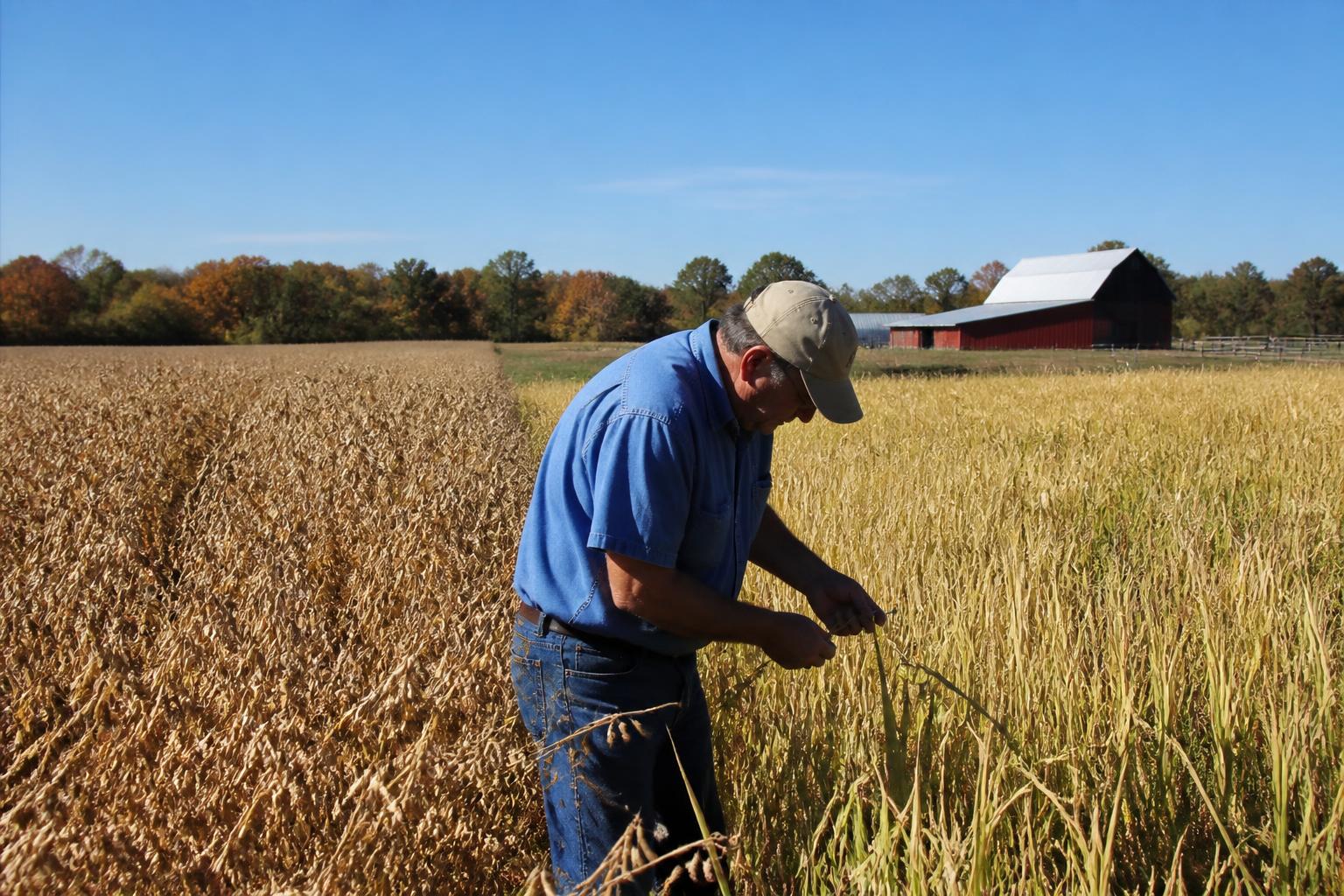
As the fall harvest season progresses across Arkansas, producers are navigating a complex environment characterized by shifting input requirements and persistent field management challenges. With many regional operations moving toward the final stages of collection, the balance between protecting crop quality and managing seasonal logistics has become a central focus for grain handlers and farmers alike.
Maintaining field integrity often requires vigilant oversight, especially as environmental pressures, such as the ongoing presence of invasive species like feral hogs, continue to impact productivity in various parts of the state. Addressing these late-season pressures is a consistent priority for maintaining yields and ensuring that the hard work of the growing season is successfully brought to the bin.
Managing Logistics and Input Costs
The movement of commodities during the peak of harvest relies heavily on stable regional infrastructure and efficient transport corridors. While producers generally focus on yield optimization, the volatility in input markets—such as fluctuations in diesel prices and fertilizer supplies—often dictates the economic feasibility of seasonal field work. In Arkansas, where agriculture remains a cornerstone of the economy, farmers are increasingly looking toward sustainable water management and technological integration to mitigate the risks posed by unpredictable climate patterns and global supply chain shifts.
Securing Economic Value
Beyond the immediate harvest, there is a broader effort to diversify market access. From exploring new industrial applications for rice to supporting local infrastructure projects, Arkansas stakeholders are working to insulate themselves from broader market fluctuations. Whether through collective advocacy or individual farm-level adjustments in acreage and crop selection, the goal remains the same: protecting the financial health of the family farm amidst a tightening margin environment.
What it means for the market
For Arkansas growers, the coming weeks will likely remain a period of intense activity where precision in logistics and vigilance against crop damage are paramount. Operators should monitor local fuel availability and coordinate closely with elevators to ensure that transit windows remain open and efficient. As the state moves further into the fall, the focus will shift from field protection to final yield accounting and preparations for the next cycle.
Comments
No comments yet - be the first to share your take.