
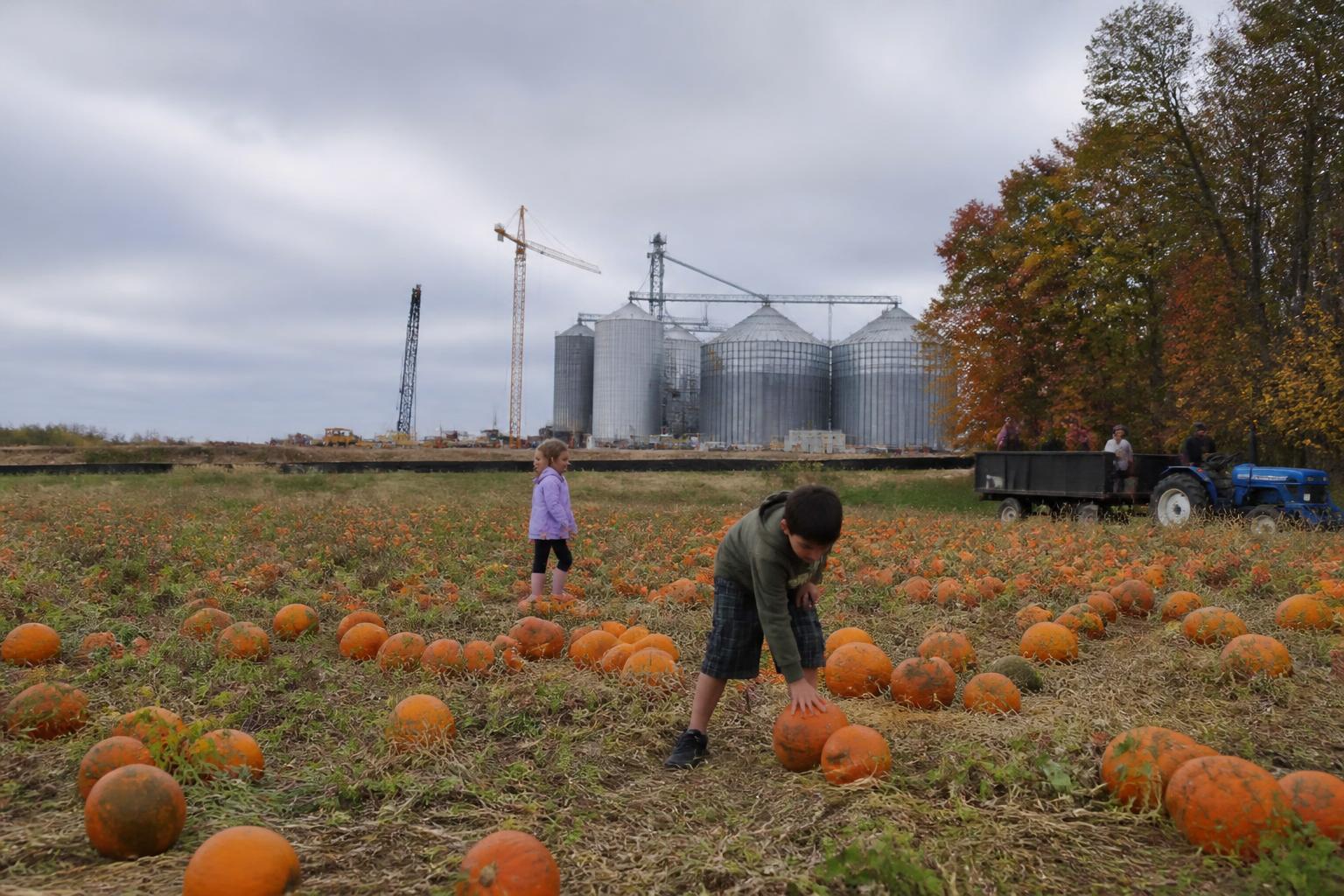
As South Carolina producers move deeper into the fall season, the focus is shifting from current harvest logistics to planning for future input needs. Recent global market developments are creating a sense of caution, particularly regarding fertilizer costs. Heightened geopolitical instability, specifically in the Middle East, is once again casting a shadow over agricultural input pricing, as supply chain disruptions threaten to tighten availability and increase expenses for growers across the state.
While local infrastructure projects are working to improve grain handling and export capacity, producers are keeping a close watch on how these external market forces will impact their bottom lines. Industry reports indicate that certain chemical inputs, including specific amine compounds, have already seen price increases in recent weeks due to supply bottlenecks. For farmers across the Pee Dee and Lowcountry regions, this volatility emphasizes the importance of early-season procurement and careful financial planning.
Managing Input Volatility
The uncertainty surrounding global energy and chemical markets often trickles down to farm-gate prices in South Carolina. For many, the challenge lies in balancing the immediate costs of essential fertilizers against the potential for higher food prices and shifting export demand. As growers look toward the next planting season, the combination of regional logistical updates, such as the recent expansion efforts in grain storage and export facilities, remains a critical piece of the broader economic picture.
Precision agriculture tools may offer some relief by optimizing application rates, helping to mitigate the impact of rising costs. Despite these technological buffers, the unpredictability of input markets remains a primary concern for the upcoming year.
What it means for the market
For South Carolina agribusinesses and individual producers, this fall is characterized by a need for supply chain vigilance. The ongoing adjustments in regional logistics underscore that while infrastructure may be improving, the cost of production remains highly sensitive to international instability. Growers should consider working closely with local suppliers to secure necessary inputs early, as any further disruption in global logistics could lead to both higher prices and supply shortages as the season progresses.
Comments
No comments yet - be the first to share your take.