
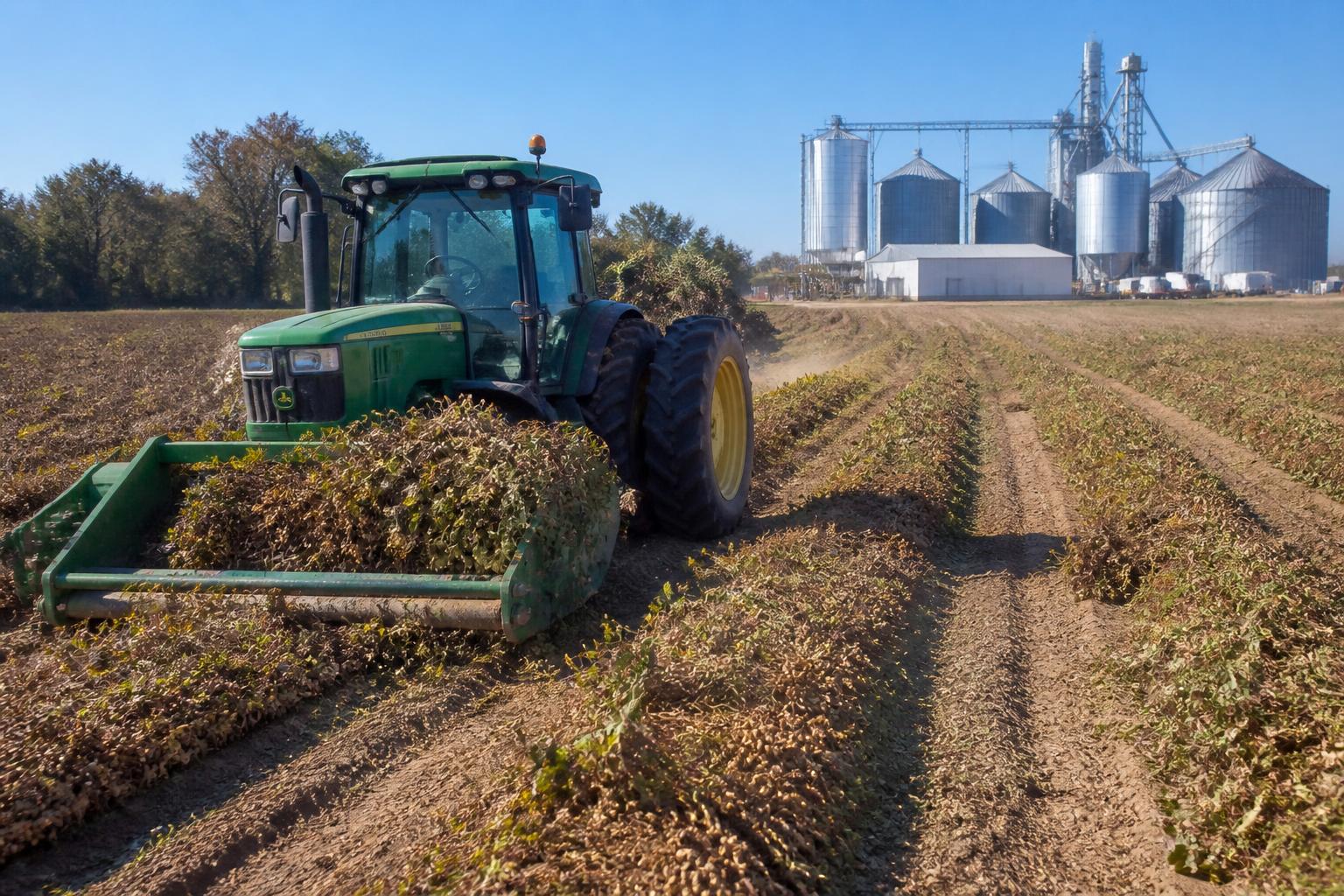
As the fall harvest accelerates across Mississippi, agricultural producers and grain handlers are navigating a familiar but persistent challenge: volatile water levels on the Mississippi River. Recent shifts in river depth have prompted concern among logistics operators, as water constraints often translate into sudden surges in freight rates and potential slowdowns at key shipping terminals along the river corridor.
For those managing the flow of commodities from the field to the terminal, the current environment demands careful oversight. Fluctuating river capacity can disrupt standard barging operations, forcing agribusinesses to consider alternative logistics strategies or absorb increased transport costs. Navigating these regional bottlenecks is essential for maintaining liquidity and ensuring that harvested crops reach export markets without excessive delay.
Understanding Logistical Constraints
The reliance on the Mississippi River for heavy-duty grain transport remains a cornerstone of the state's agricultural economy. However, when water levels drop, the logistics chain faces immediate pressure. Shippers are often forced to reduce barge drafts, which limits total volume per vessel and increases the number of trips required to move the same amount of grain. These capacity constraints can ripple through local supply chains, impacting everything from elevator storage capacity to farm-gate prices.
In this high-stakes environment, stakeholders are closely monitoring regional river logistics to avoid the worst of the potential shipping bottlenecks. While some improvements have been noted in various sections of the river, the inherent unpredictability of late-season water levels serves as a reminder of the vulnerability of inland water networks to weather-driven fluctuations.
Adapting to Evolving Infrastructure
Beyond the river, Mississippi continues to see investment in its broader agribusiness sector, from new crop protection manufacturing facilities to enhanced logistics infrastructure. These developments are critical for building long-term resilience. For grain handlers, integrating these local assets—such as improved storage or alternative transport hubs—can provide a necessary buffer when primary transit routes face unexpected outages or cost spikes, as discussed in our latest look at Mississippi's harvest logistics and agribusiness outlook.
What it means for the market
Farmers and agribusinesses should prepare for a period of continued logistics volatility. With freight rates sensitive to every inch of water level change, maintaining clear communication with your downstream partners is vital. Prioritizing efficient on-farm storage where available and securing transportation capacity well in advance can help mitigate the impact of rising costs during this peak harvest window.
Comments
No comments yet - be the first to share your take.